Before You Sign: What's Actually in a Builder's Contract
New Construction
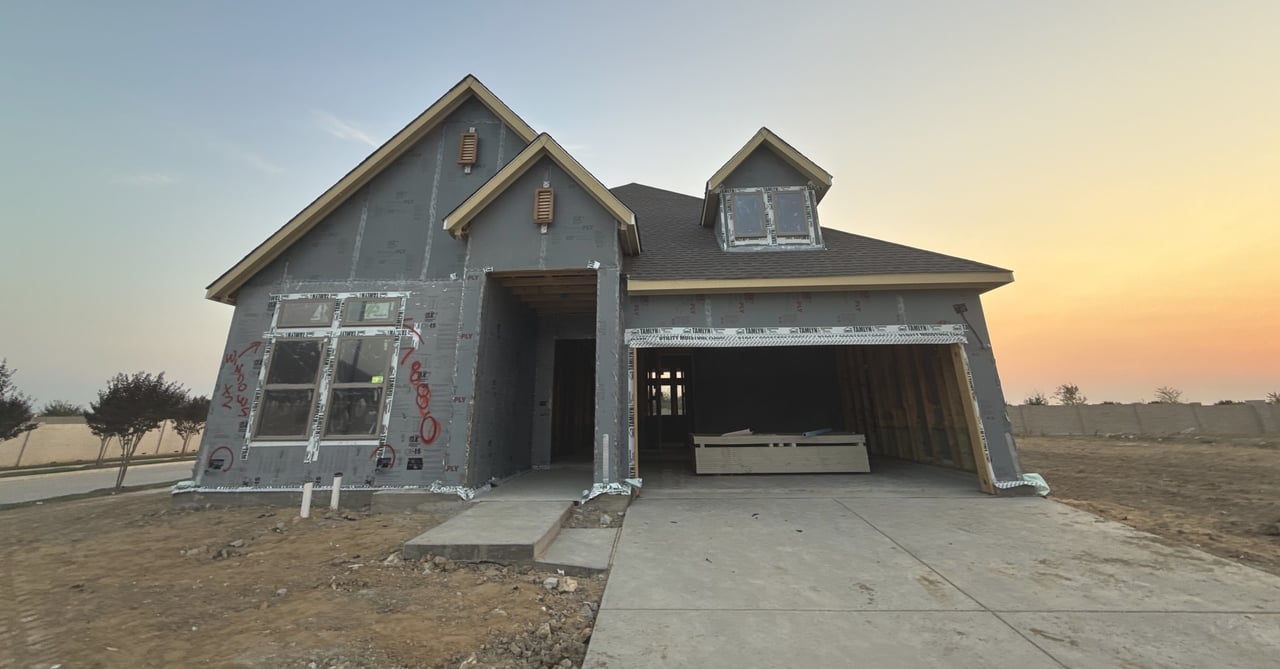
New Construction
A buyer told me recently that new construction was the easy choice. She wasn’t wrong, and I want to start there, because most of what gets written about builders reads like a warning label and that isn’t honest either.
Right now a builder will hand you a mortgage rate no bank on the open market will match, pay a large share of your closing costs, and let you pick your finishes. The house is new, the warranty is new, and nobody has to negotiate with a seller who is emotional about their kitchen. Compared to fighting over a forty-year-old house that needs a roof, it can genuinely be the better transaction.
What I want to give you is the part that isn’t on the sign. Not because builders are villains — they’re running a business, and the terms are right there in writing for anyone who reads them — but because the fast, easy, frictionless version of this purchase is exactly the version where nobody reads them.
The money on the table is real and it is unusually large.
Buying a mortgage rate down by one percentage point costs a builder roughly 3.2% of the sale price. A full-term buydown — the kind that holds for all thirty years — runs about 6%. Some builders pair a forward commitment with other incentives and spend 6.5% to 12% of the price to get a buyer to the table. As of mid-2025, roughly 64% of new homes sold by the largest builders carried a permanent rate buydown.
Those are not small marketing gestures. They are among the largest concessions residential real estate has seen at scale, and they exist for a specific reason. A builder would rather spend 6% buying your rate down than cut the price 10% to produce the same monthly payment — because a price cut becomes a recorded sale, and a recorded sale becomes the comparable that reprices every other house in the subdivision, including the ones already under contract.
So the incentive isn’t generosity and it isn’t a trick. It’s the cheaper of two ways to move inventory. But it has a consequence worth understanding before you sign, and it’s the one I see from the appraisal side.
I appraise houses for a living, and one of the first things an appraiser is taught is that market value means the price a property would bring unaffected by special or creative financing or sales concessions. When a comparable sale came with a rate buydown and a design-center credit, an appraiser is required to consider what the market’s actual reaction to that was — not to take the recorded number at face value.
Your closing will be recorded at the full contract price. The 6% the builder spent on your rate doesn’t show up as a discount. It shows up as a number that looks like what the house is worth.
Two things follow.
First, the appraisal can come in short. Especially on a to-be-built home where you signed twelve or eighteen months before the appraiser ever saw it.
Second, and almost nobody thinks about this one: you have to sell this house someday. In three to five years you’ll list it, and you’ll be competing against the builder’s next phase — four streets over, brand new, still warranted, and possibly still offering six or seven percent in incentives, or more, that you cannot match. You have no rate to buy down and no design-center credit to give. Whether the incentives are still that heavy depends on where rates and the market are that year — but the asymmetry doesn’t go away, because whatever the builder is offering, you can’t offer it. Worth knowing: nationally, the premium new homes have historically commanded over existing homes — about 16% on average — went negative in 2026 for the first time in roughly fifty years, and in the South the gap between new and existing median prices has narrowed to almost nothing.
None of that means don’t buy new. It means the exit deserves the same thought as the entrance, and that’s a conversation to have in the model home, not in year four.
If you’ve bought a resale home in Texas, you signed a TREC promulgated contract — a form written by a state agency, with consumer protections built in, that every agent in the state uses.
You will not be signing that. Builders use their own contracts, drafted by their own counsel, and Texas has no state form and no cooling-off period for new construction. The differences are not cosmetic. These are the ones I’d want you to know about before you initial anything.
The clause typically says your obligations are not contingent on the property appraising for any minimum amount, and that you’re responsible for any difference. If the appraisal lands below your contract price, the lender still lends on the appraised value, and the gap is yours to cover in cash — days before closing, on a price you agreed to a year and a half earlier.
Builders holding a backlog of contracts at higher prices are understandably reluctant to reprice one house. A reduced sale in Phase 3 is a comparable against everything still under contract.
The contract will say the builder does not warrant or guarantee completion by any specific date, and that no damages for delay are recoverable — not your carry costs, not your extended rate lock, not a lost 1031 deadline, not additional interest.
Then, several pages later, there will be a per-diem charge running against you if closing is delayed for reasons attributed to you or your lender. In the contracts I’ve read, that runs around seventy cents per thousand dollars of purchase price, per day — roughly $490 a day on a $700,000 home. The builder’s delay is free. Yours is metered. And if your loan is with the builder’s affiliated lender, read that twice.
I want to be fair here, because this item varies more than anything else on the list. Some builders handle taxes cleanly and evenhandedly — I’ve read contracts from well-known builders that do — and some push the whole thing onto the buyer. It’s worth two minutes of reading either way, because it’s the least visible money in the document.
Texas appraises property as of January 1. On new construction that means the tax bill in the year you close is frequently based on a bare lot — the house wasn’t there on the assessment date, or was half framed. Standard practice at closing is to prorate the current year’s taxes using last year’s bill when the current one hasn’t been set.
Some builder contracts then add a sentence a TREC contract does not: that prorations based on the preceding year’s taxes are final and not subject to adjustment once the real number arrives. In a resale, if the estimate was wrong, the parties true it up. Under that language, they don’t. Whichever way the error runs, it stays — and on new construction it tends to run one direction, because the prior-year bill was a bare lot and the current-year bill may not be.
Look for the word “final.” If it isn’t there, you’re fine. If it is, you now know what you’re agreeing to.
Two related lines often sit in the same paragraph. One says that if the seller’s change in use of the property, or the loss of a special-use valuation, triggers back taxes, penalties or interest for periods before you owned it, those are your obligation. Agricultural land rolled into a subdivision carries a multi-year rollback. The act is the builder’s; the bill is addressed to you. The other says you pay every HOA transfer and conveyance fee — items openly negotiated on the resale side, where the Texas REALTORS HOA addendum lets a buyer cap them.
And then there’s the part that isn’t a clause at all, just arithmetic nobody performs for you: the year after you close, the appraisal district puts the finished house on the roll at full value for the first time. Your escrow payment does not go up gently. If your payment was budgeted off the builder’s first-year estimate, plan on a meaningful jump the first February you own the house.
In a Texas resale, the seller customarily pays for the owner’s title policy. In a builder contract, the clause typically reads that the seller will furnish the policy at purchaser’s expense — and a separate paragraph puts every closing cost, origination fee and escrow fee on you as well.
On a $700,000 house the owner’s policy alone is in the neighborhood of $4,400. That isn’t hidden and it isn’t improper — it’s simply not what a buyer coming from the resale market expects, and it belongs in your net-cost comparison right next to the incentive you’re being offered.
While you’re in the title section, look at whether the standard printed exception for standby fees, taxes and assessments has been amended to read “subsequent taxes.” In a resale, buyers routinely amend it. That amendment is the protection against exactly the back-assessment the proration clause may have just made your problem. Leaving it alone means the exposure is created in one paragraph and uninsured in another.
Change orders generally require a deposit of 50% of the option price, in cash, before any work begins — on top of the base deposit. Those option deposits are credited against the price at closing and are almost universally non-refundable if you walk.
There’s often a deadline attached: a per-day price increase if your selection sheet isn’t signed within a set window after contract. It’s a reasonable clause from the builder’s side — they need to schedule trades — but it means the design center is a place you walk into with a budget already decided, not a place to make decisions.
This is the provision that surprised me most, and it deserves more attention than it gets.
Builder contracts waive all implied warranties — including the implied warranty of good and workmanlike construction — and replace them with a third-party limited warranty, usually marketed as “1-2-10”: one year on workmanship and materials, two on the mechanical delivery systems, ten on major structural components.
Here’s the part that isn’t on the brochure. In 2023, Texas shortened the statute of repose for residential construction from ten years to six — but only for builders who provide a written warranty of exactly one year on workmanship and materials, two years on plumbing, electrical and HVAC delivery systems, and six years on major structural components. The default remains ten years for everyone else.
Read that alongside the contract language and the structure becomes clear. The warranty presented to you as a benefit is the consideration the builder gave to cut its own outer exposure by forty percent. You’ll find a sentence stating that in no event does the seller have any warranty obligation after six years. The ten-year structural coverage is still there — but after year six it runs against the warranty company, not the builder, and you’re depending on that company’s claims process and its solvency.
Add the two provisions that usually sit nearby: binding arbitration for essentially every dispute, and a contractual limitation requiring any action to be brought within two years of accrual. And note that Texas’s construction-defect statute caps what you can recover and, if you reject a repair offer a decider later finds reasonable, limits your recovery to that offer.
For expansive North Texas clay under a post-tension slab, a structural problem surfacing in year seven is not an exotic scenario. It’s a Tuesday.
Every buyer asks about the kitchen. Almost nobody asks about the grade of the lot, and in this soil that is backwards.
I’ll go first. I bought a new home from a well-regarded builder, at a seven-figure price, in a neighborhood nobody would call entry level. The drainage was not good, and I ended up paying out of my own pocket to improve it after I moved in.
I mention it because the assumption I hear most often is that drainage is a starter-home problem — that above some price point the builder handles it. That has not been my experience, and the reason is structural rather than moral: the contract language is much the same at every price point, and it does not obligate anyone to give you a yard that drains. It obligates them to establish an initial grade that passes a city inspection.
The drainage language is remarkably candid once you look for it. What it typically says:
Now the thing to ask for before you sign, because almost nobody does: the performance standards booklet, not just the warranty summary. That’s the separate document with the measurable tests in it, and the drainage standard is the most useful line in the whole thing. It typically reads that standing water shall not remain more than 24 hours within ten feet of the home after a rain, with a longer window — often 48 hours — in swales that drain other lots and where sump pumps or foundation drains discharge. Some builders write 48 near the foundation, some as long as 72.
That one sentence is the whole difference between a complaint and a claim. Water in the middle of your yard will be yours. Water against the house, past that clock, is a failed standard the builder has to answer for — and builders do install drains when an owner documents it properly. Knowing which number your warranty uses, before closing, is worth more than anything you’ll pick out at the design center.
And in the same document the builder will advise you — correctly — that North Texas soils expand, that water ponding near the foundation is a source of structural problems, and that maintaining adequate drainage at all times is necessary.
Both things are true at once: drainage is the most consequential thing about your lot, and it is very close to the least warranted. Retrofitting a drain system after the sod is down and the fence is up runs into real money — money you might not have spent if someone had walked the graded pad with you and looked at where the water goes.
That walk is free. It just has to happen before substantial completion, which means it has to be somebody’s job.
You’ll be offered the incentive on the condition that you finance through the builder’s affiliated lender, and probably close at their affiliated title company.
You’ll also be told a builder can’t require you to use their lender, which is true and also not the point. The federal rule bars “required use,” but the definition currently in force says outright that offering a package of settlement services, or offering discounts for buying several of them together, does not constitute required use — as long as it’s optional and the discount is real. A rule that would have closed that gap was finalized in 2008 and withdrawn in 2009 after the industry sued. It never came back.
So the incentive tied to the in-house lender is lawful, and it’s also a genuine economic lock-in. The Affiliated Business Arrangement Disclosure you’ll sign discloses the ownership relationship and a range of charges. It is a conflict-of-interest notice. It is not a representation that the price is competitive.
What to do about it is simple and almost nobody does it: get a real loan estimate from an outside lender and compare the all-in cost — rate, points, origination, title, everything — against the builder package including the incentive. Sometimes the builder wins by a mile. Sometimes a quarter point of rate quietly eats most of the credit. You can’t know which without the second quote, and asking for one costs you nothing.
Many new North Texas subdivisions sit inside a Public Improvement District or a Municipal Utility District, which is how the roads and pipes got financed.
For a PID, Texas requires a notice before you’re bound to the contract. Read the statutory form carefully: it tells you an assessment exists, that it can be paid in full or in installments, and that nonpayment can lead to penalties, interest, a lien and foreclosure. What it does not have to tell you is the amount — you’re directed to go ask the city or county. There has already been a well-documented case in Denton where roughly a hundred buyers learned about a PID when the tax bills arrived, at around $31,000 per home before interest.
The MUD notice is stronger — it carries the rate, and if it isn’t delivered on time it gives you a right to terminate. The PID termination right was narrowed in 2023 and now runs about a week.
Two nearly identical burdens on your monthly cost, two very different remedies. Either way the number is obtainable; somebody just has to go obtain it and put it in the payment math before you fall in love with the elevation.
Get your own inspector, and get them there before the sheetrock goes up. That is the only moment framing, flashing, and mechanical rough-ins are visible. Some builders make this harder than it needs to be — not by refusing, but by conditioning access on insurance and liability terms that many inspectors’ policies won’t accommodate. Worth sorting out early rather than the week drywall is scheduled.
Understand what you’re actually being promised on finishes. Expect language reserving the right to substitute comparable materials and disclaiming any obligation to precisely match model-home colors. What you saw in the model is an illustration, not a specification. Same with square footage — the contract will tell you the marketing figure is approximate and that the appraisal district, the MLS, appraisers and the builder may all differ. Take that literally. I measure houses for a living; the number on the brochure is not a measurement.
The builder contract contains a box you check stating whether you’re working with a broker. If you walked the model alone and gave them your name, the builder’s position is generally that your agent wasn’t procuring cause, and the box gets checked the other way — the one warranting that you are not working with anyone and that no commission is payable.
You’ll also find a clause prohibiting you from receiving any rebate of a commission, backed by your written permission for the title company to hand your settlement statement to the builder so they can verify it.
Here’s the thing people get wrong: not bringing an agent does not get you a better price. The sales counselor in the model home is a lovely person who works for the builder, is paid by the builder, and is representing the builder’s interests. There is no version of this where the price drops because you showed up unrepresented. What changes is whether anyone in the room is reading paragraph twenty on your behalf.
Register your agent on the first visit. It costs you nothing and it isn’t recoverable later.
None of the above is an argument against new construction. I’d happily put a client in a new home tomorrow. It’s an argument against doing it fast because it felt easy.
What I do on a new-build purchase is unglamorous and mostly arithmetic done in advance:
Some of that is broker work. A fair amount of it is appraiser work, and I hold both licenses, which is the only real reason I’m useful here.
And if you’ve already closed on a new build — the warranty clocks, the escrow jump, and the drainage are all still manageable. I wrote a separate piece on what to do in that first year.
If you’re early — still driving model homes on a Saturday — that’s the right time to call, because the one decision you can’t undo later is showing up to the first one by yourself.
Call or text (682) 207-4310, or send me a note. Happy to look at a specific community and a specific contract with you before you sign anything.
General information about how these contracts are commonly written, not legal advice about yours. Terms vary by builder and change over time — read your own agreement, and have an attorney review it if the numbers are significant.
Statutes and regulations are linked to primary text. Market figures are linked to the publishing organization. Contract language is described generally, not quoted from any one builder’s agreement.
Builder incentives and rate buydowns
Appraisal treatment of sales concessions
Builder’s affiliated lender
Warranty, statute of repose, and defect claims
Drainage performance standards
Taxes and assessments
Inspections
Terrence Bilodeau is a Texas licensed broker (TREC #0686157)
 Tanglewood
 Crestwood
 Walsh Ranch
 Montserrat / Montrachet
 Bella Flora
 Edwards Ranch Riverhills
 Tavolo Park
 Ryan Place
 Fairmount
 Ridglea
 Ridglea North
 Ridgmar
 Westover Hills
Rivercrest Bluffs & River District
Westover Hills
Rivercrest Bluffs & River District
 Rivercrest, Monticello & North Hi Mount
 Mira Vista
Overton Park
Overton Woods
Westcliff
Arlington Heights
Benbrook
Ventana
Downtown
Linwood
Eagle Mountain & Marine Creek
Beltmill & Watersbend
Heritage & Alliance
Presidio & Tehama Ridge
Wedgwood
North Richland Hills
Hurst
Euless
Bedford
Grapevine
Westlake
Keller
Southlake
Colleyville
Arlington
Burleson
Crowley
Mansfield
Kennedale
Aledo
Weatherford
Azle
Granbury
Springtown
Cleburne
Joshua
Godley
Alvarado
Ponder
Krum
Waxahachie
Midlothian
Poolville
Decatur
Justin
Mira Vista
Overton Park
Overton Woods
Westcliff
Arlington Heights
Benbrook
Ventana
Downtown
Linwood
Eagle Mountain & Marine Creek
Beltmill & Watersbend
Heritage & Alliance
Presidio & Tehama Ridge
Wedgwood
North Richland Hills
Hurst
Euless
Bedford
Grapevine
Westlake
Keller
Southlake
Colleyville
Arlington
Burleson
Crowley
Mansfield
Kennedale
Aledo
Weatherford
Azle
Granbury
Springtown
Cleburne
Joshua
Godley
Alvarado
Ponder
Krum
Waxahachie
Midlothian
Poolville
Decatur
Justin
Stay up to date on the latest real estate trends.

H-E-B is coming to Chisholm Trail and Oakmont in late 2028. I measured six North Texas stores to find out what that does to home values. It doesn't — but it changes ho… Read more
Home Improvement
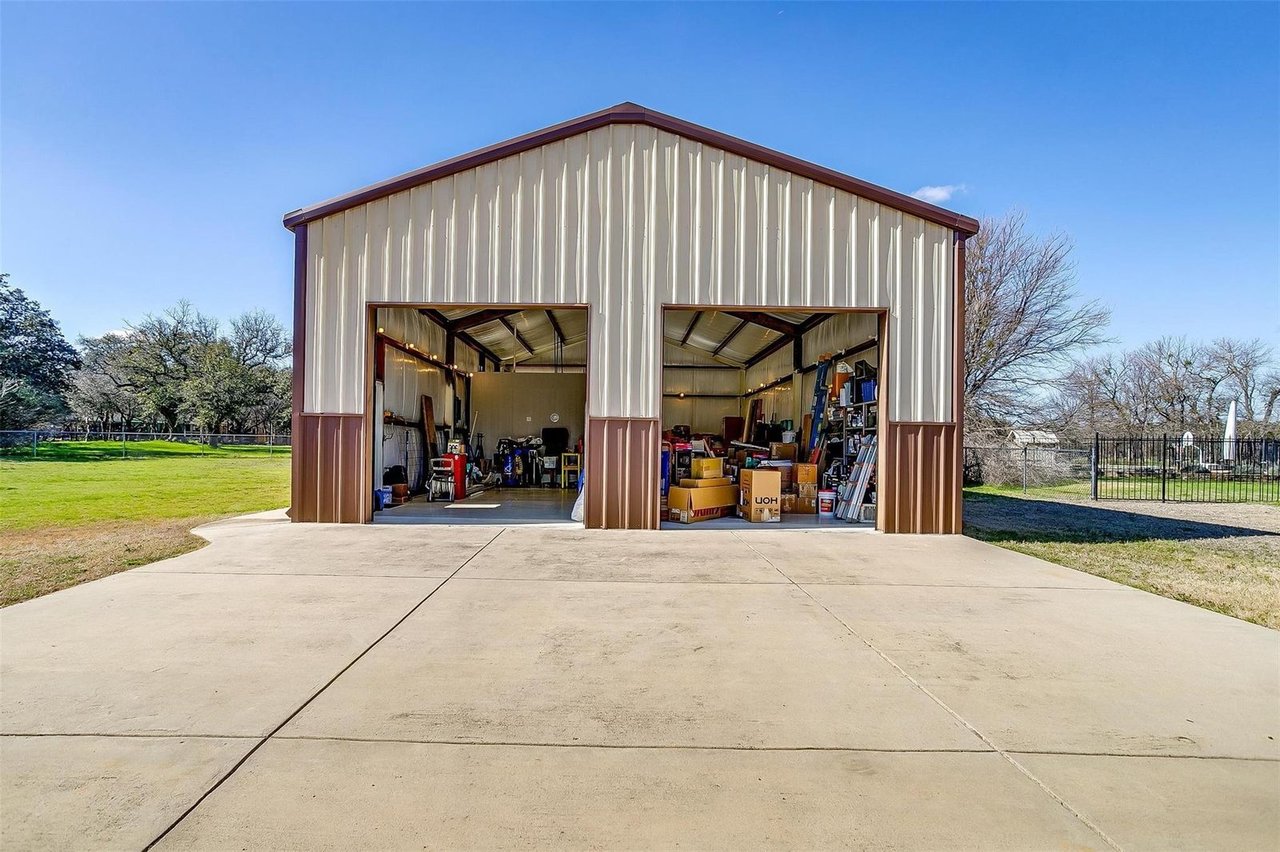
A shop with electricity adds about 6% of the sale price. The same building without power adds 2.6% — the same as a storage shed.
Home Improvement
2,002 accessory units measured. Having one adds about 7% — and how big it is adds nothing, so build the smallest one that does the job.
Seller Resources
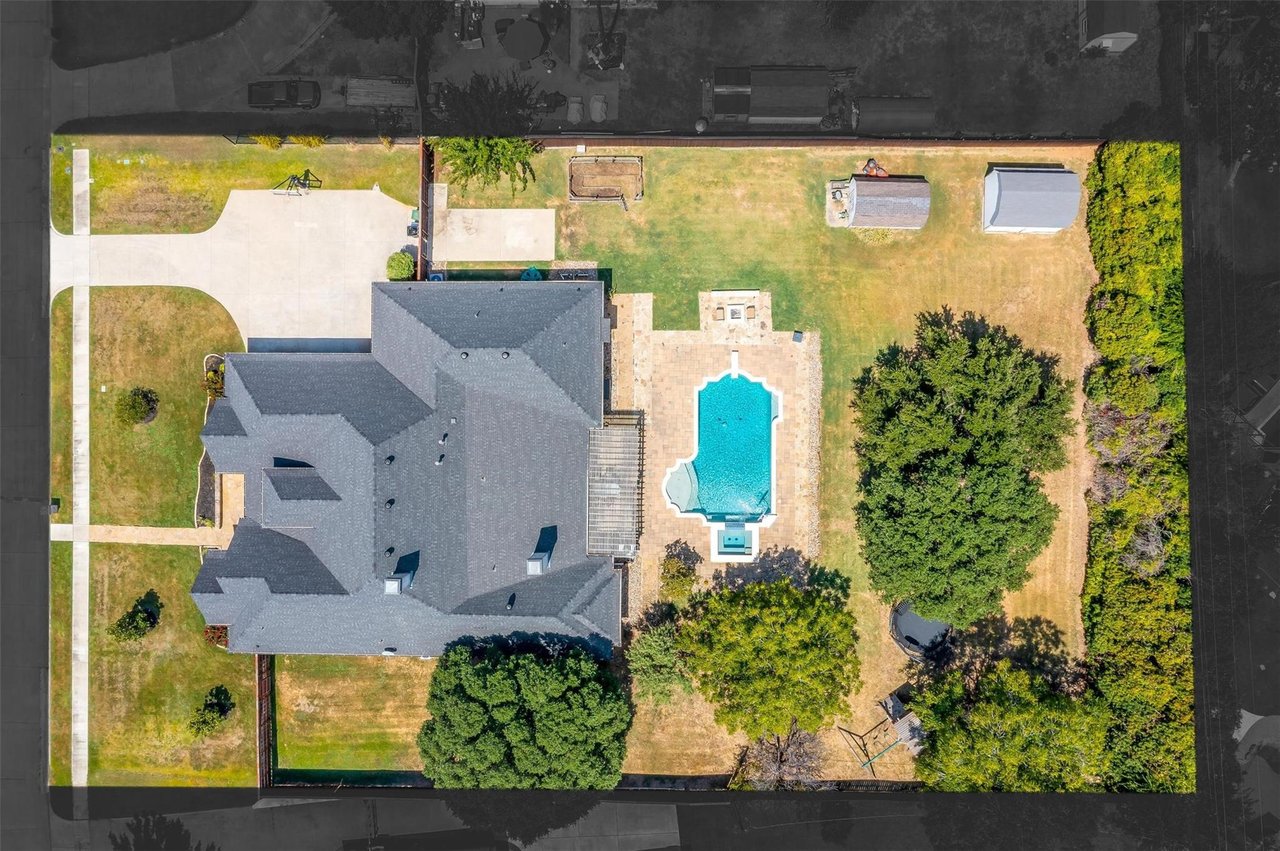
Your old days on market follow you until you've been gone 30 days — then they vanish completely. 16,465 relisted DFW houses measured.

Home Improvement
About 9% of your price almost regardless of neighborhood — half to all of what one costs to build. And they sell eight days faster.
Buyer Resources
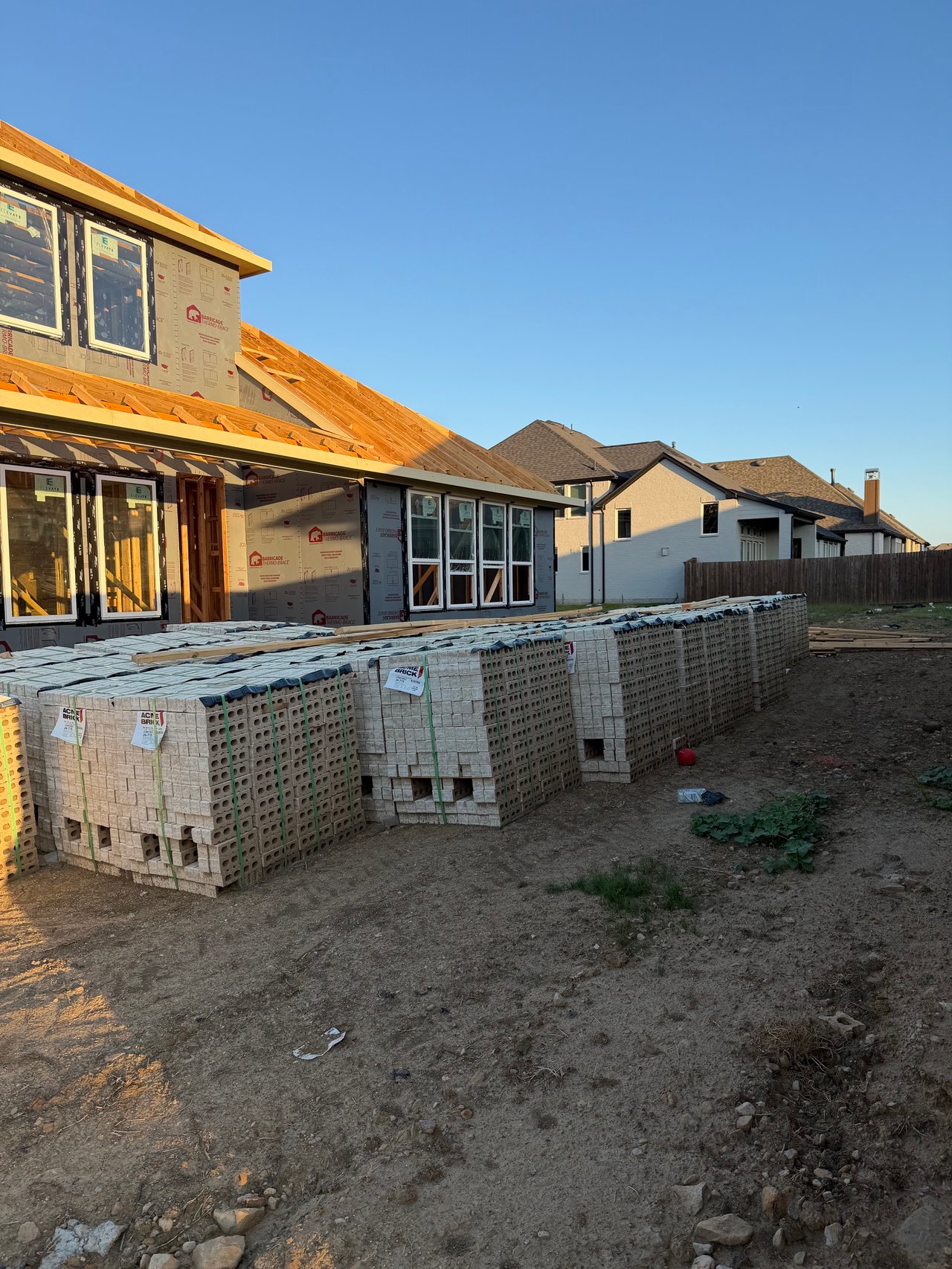
On a new build the listed tax is the vacant lot's bill, and it roughly quadruples in year two — about $526 a month on a $450,000 house.
Buyer Resources
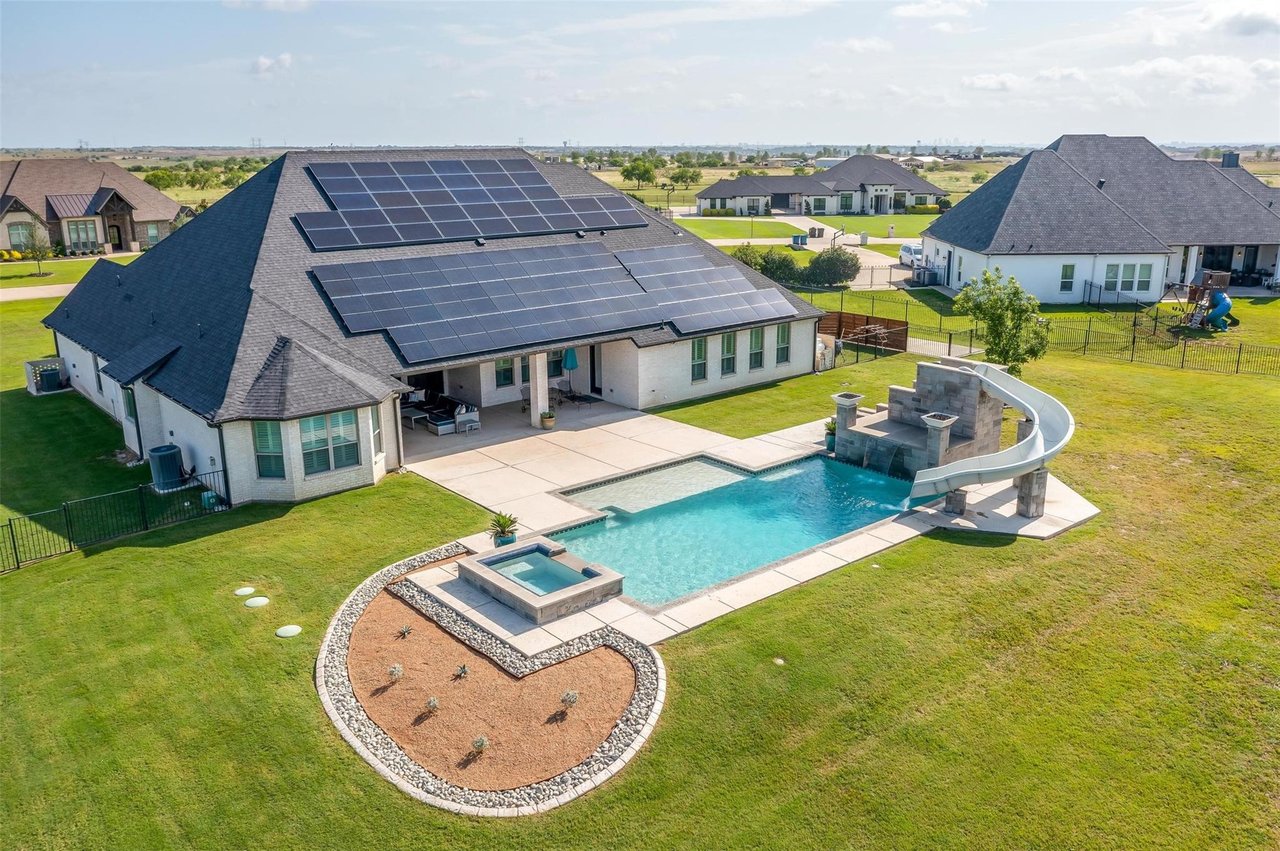
Owned panels add about 3%. Leased panels add nothing — and a listing that doesn't say which gets priced like a lease.

Seller Resources
Your twenty acres are not worth ten times your neighbor's two. Per-acre price falls about a quarter every time a tract doubles.
Owner Resources
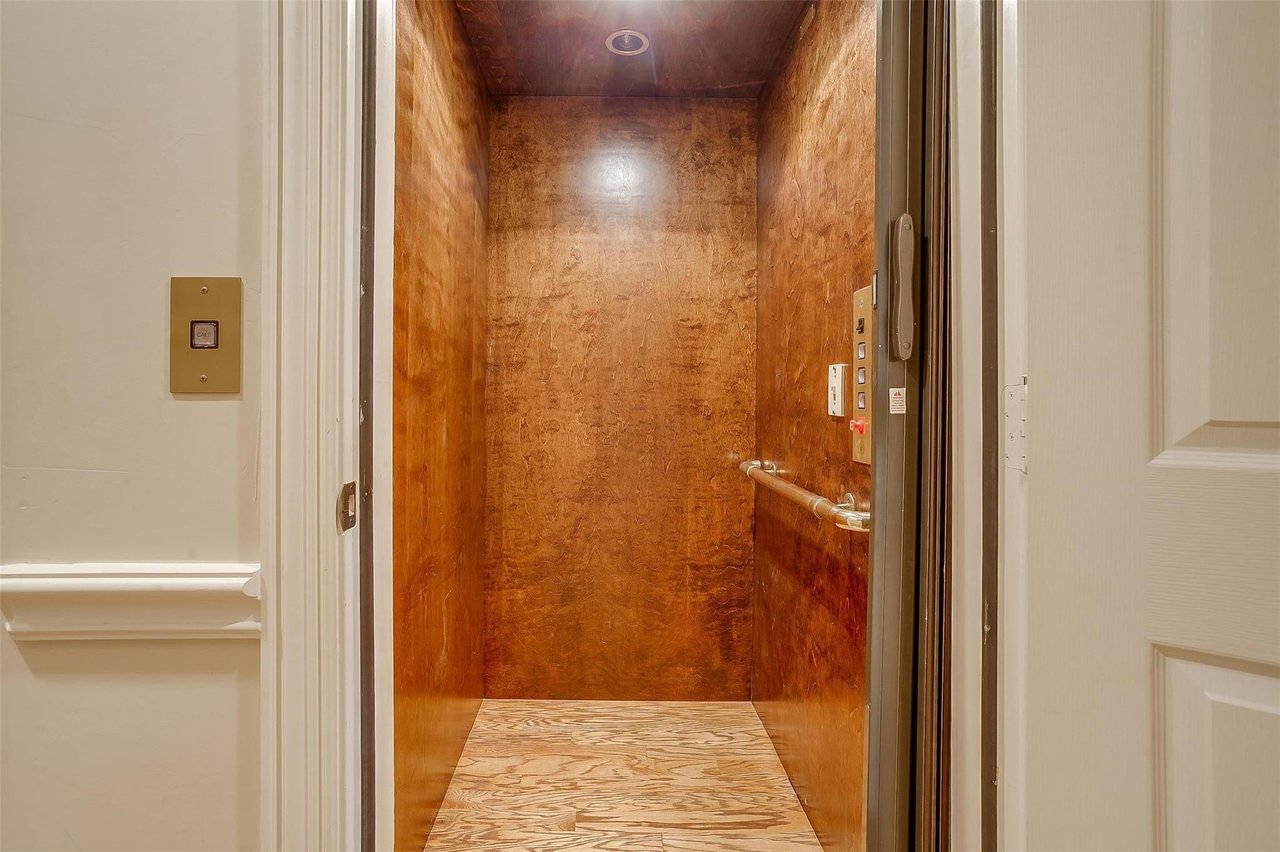
I listed one in North Richland Hills that sold in nine days at 99% of asking. The elevator wasn't why — and 121 sales out of 89,302 show why not.
I've trained three appraisers in this market, and every figure on this blog comes from closed sales I pull and model myself. The same analysis, applied to one address.