Walsh Ranch
Explore Walsh Ranch homes, values and new-construction opportunities with guidance from a Fort Worth broker and Certified Residential Appraiser.
Explore Walsh Ranch homes, values and new-construction opportunities with guidance from a Fort Worth broker and Certified Residential Appraiser.
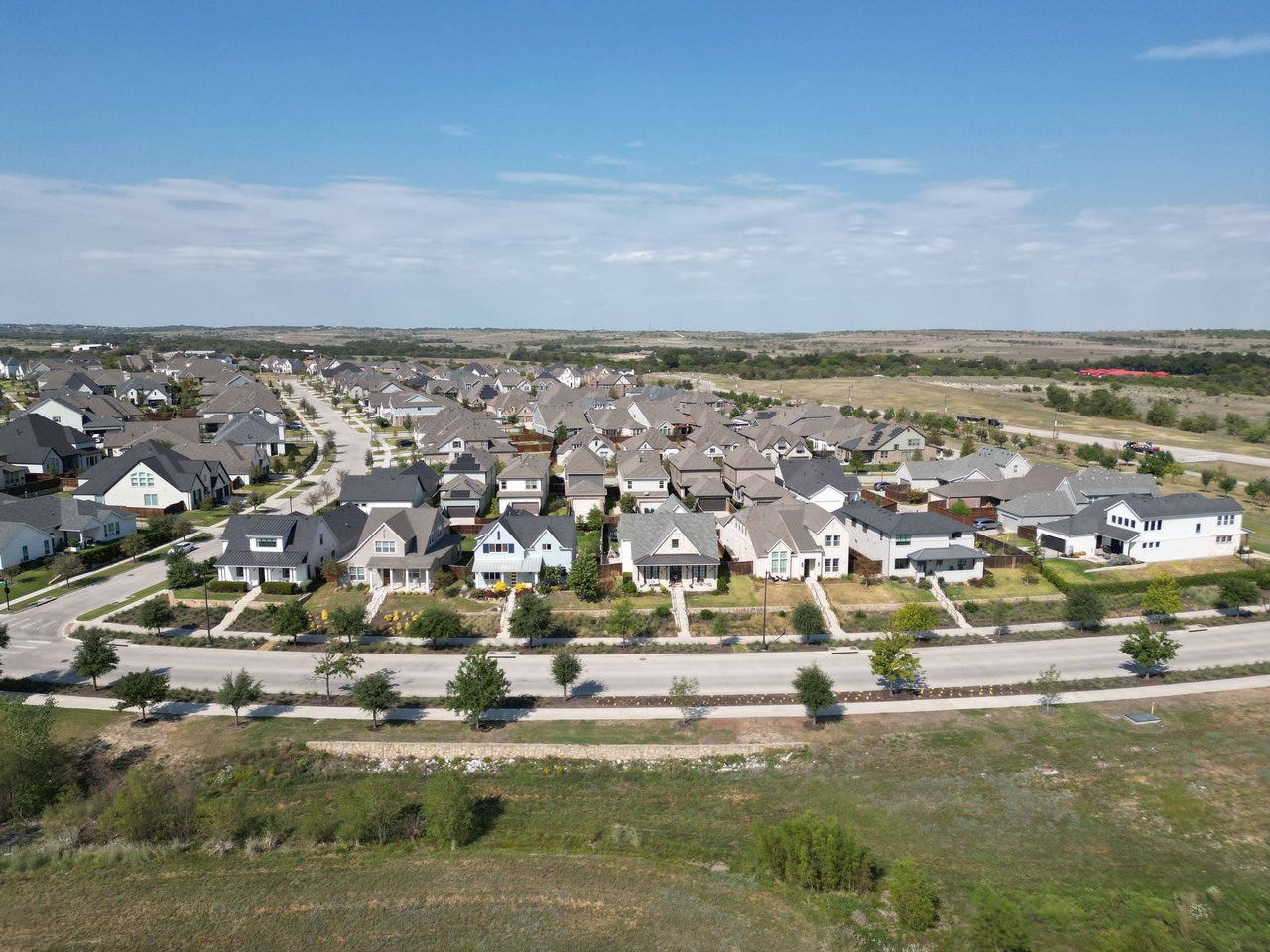
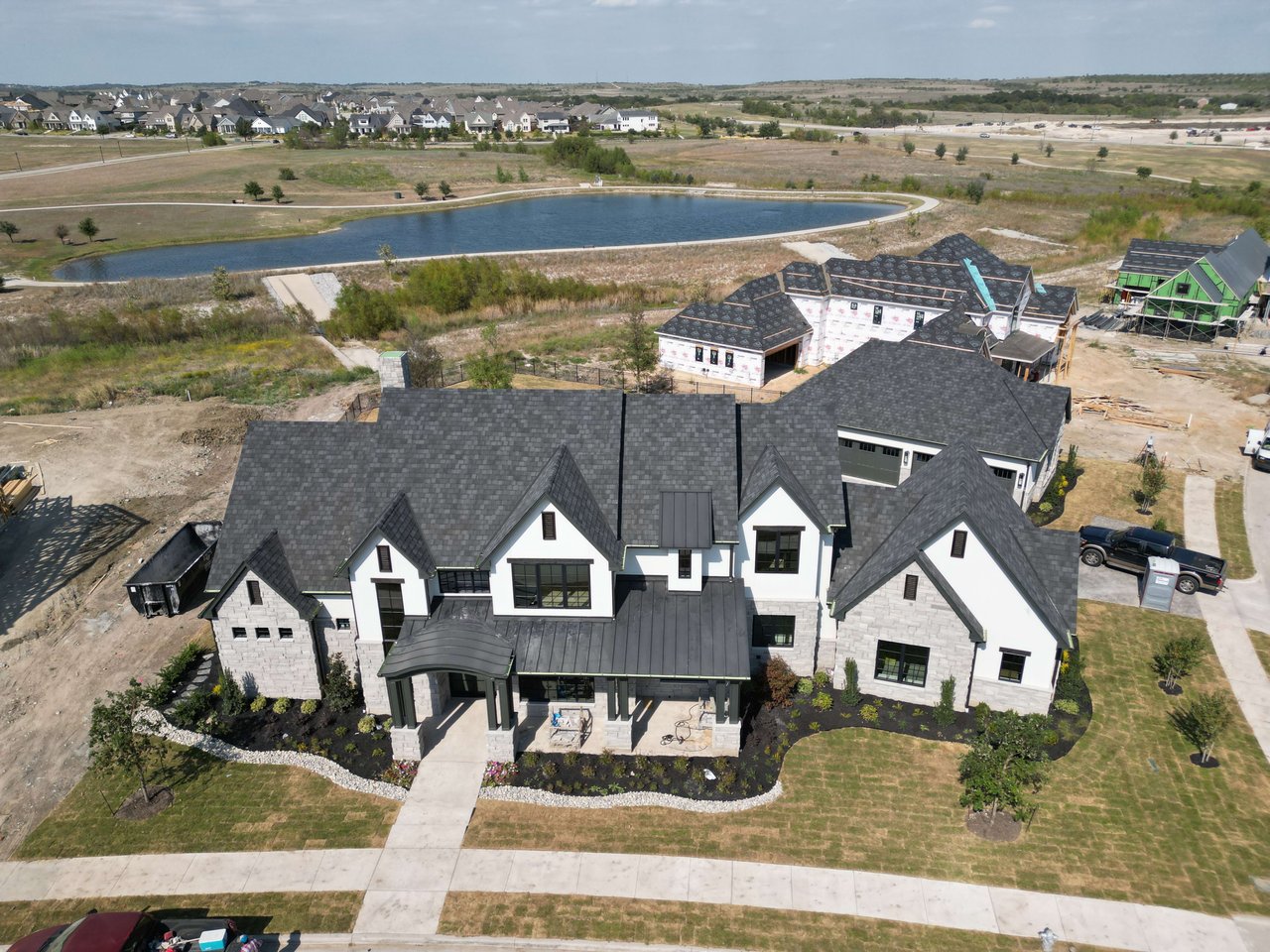
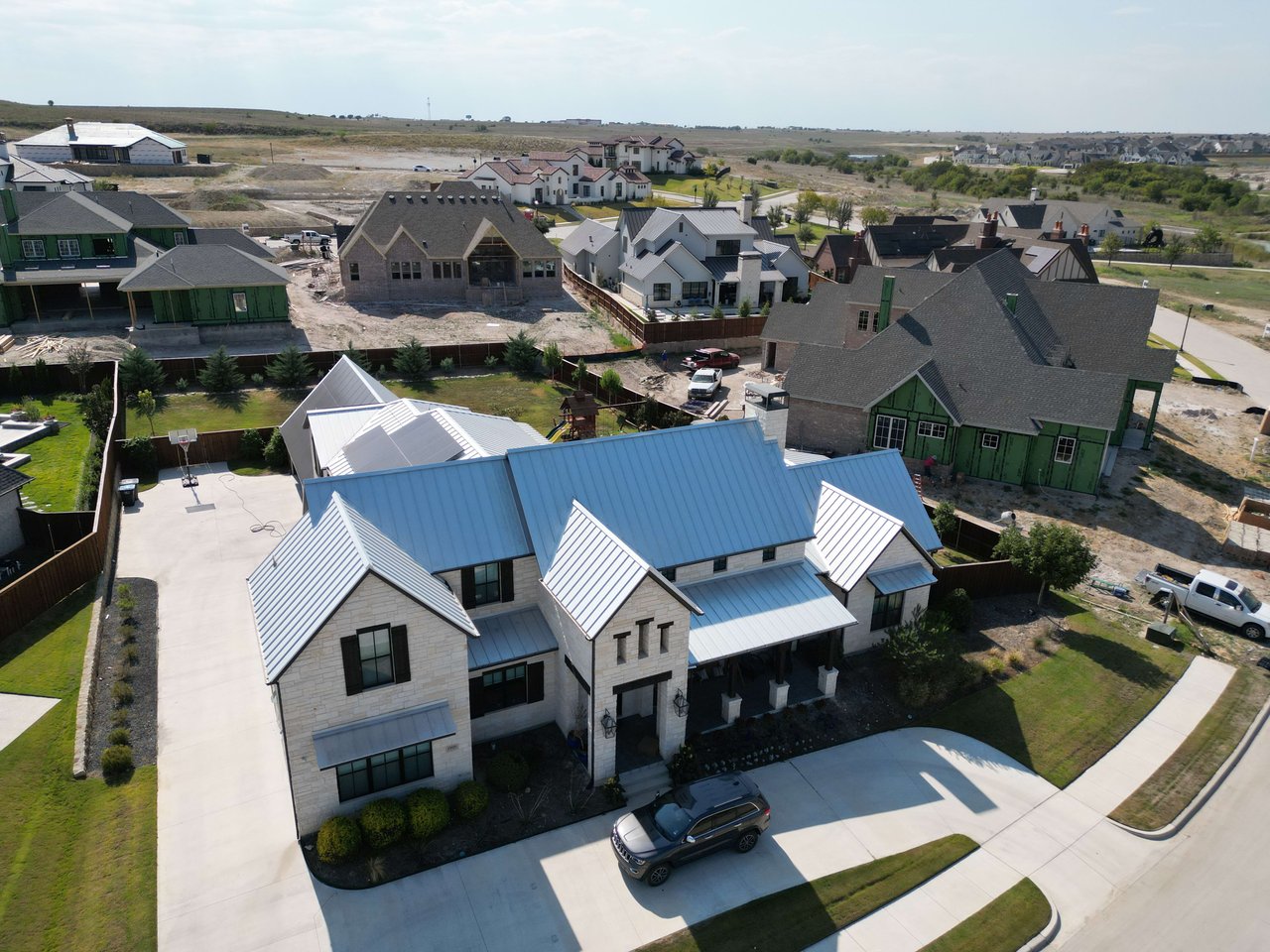
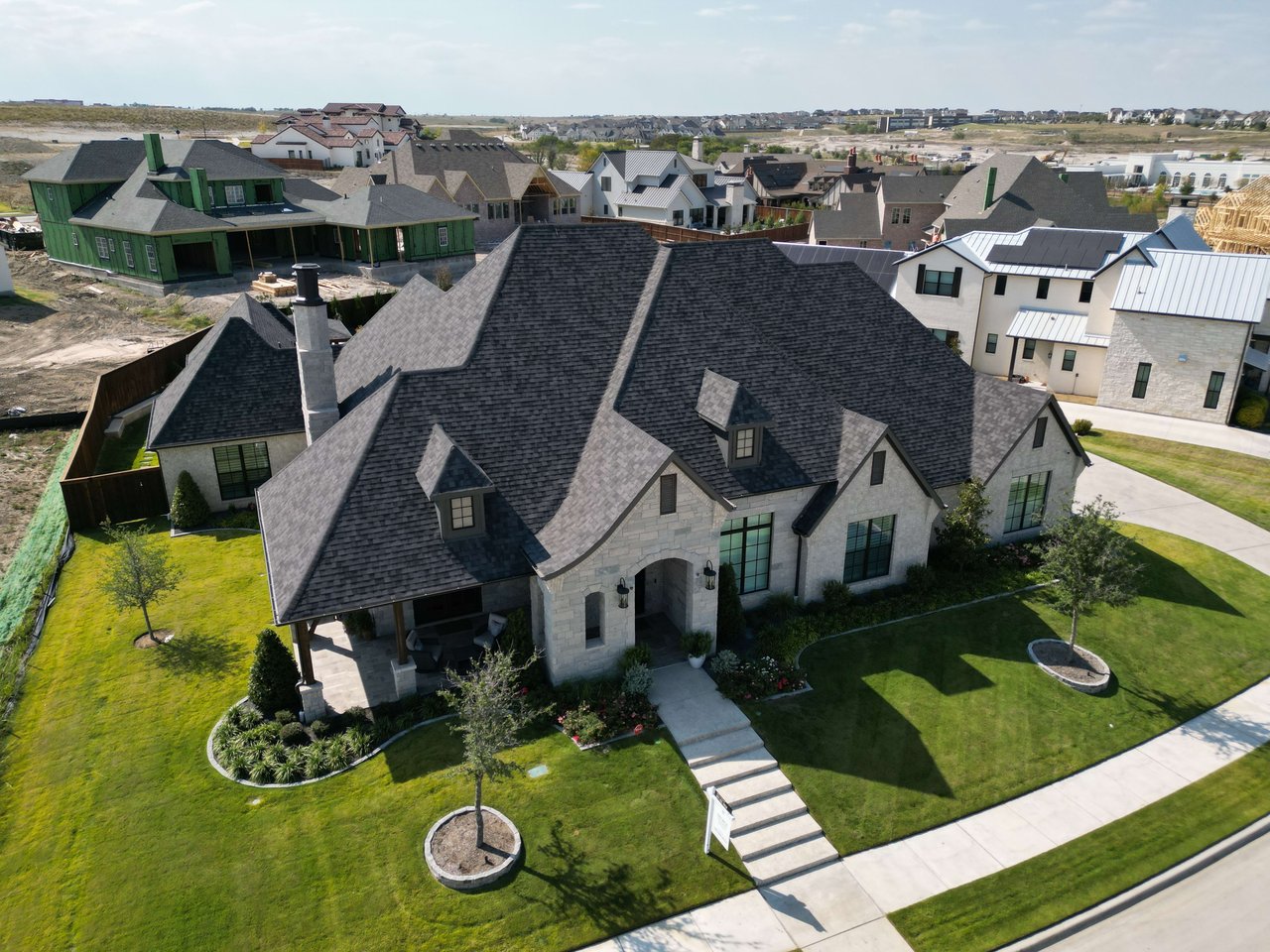
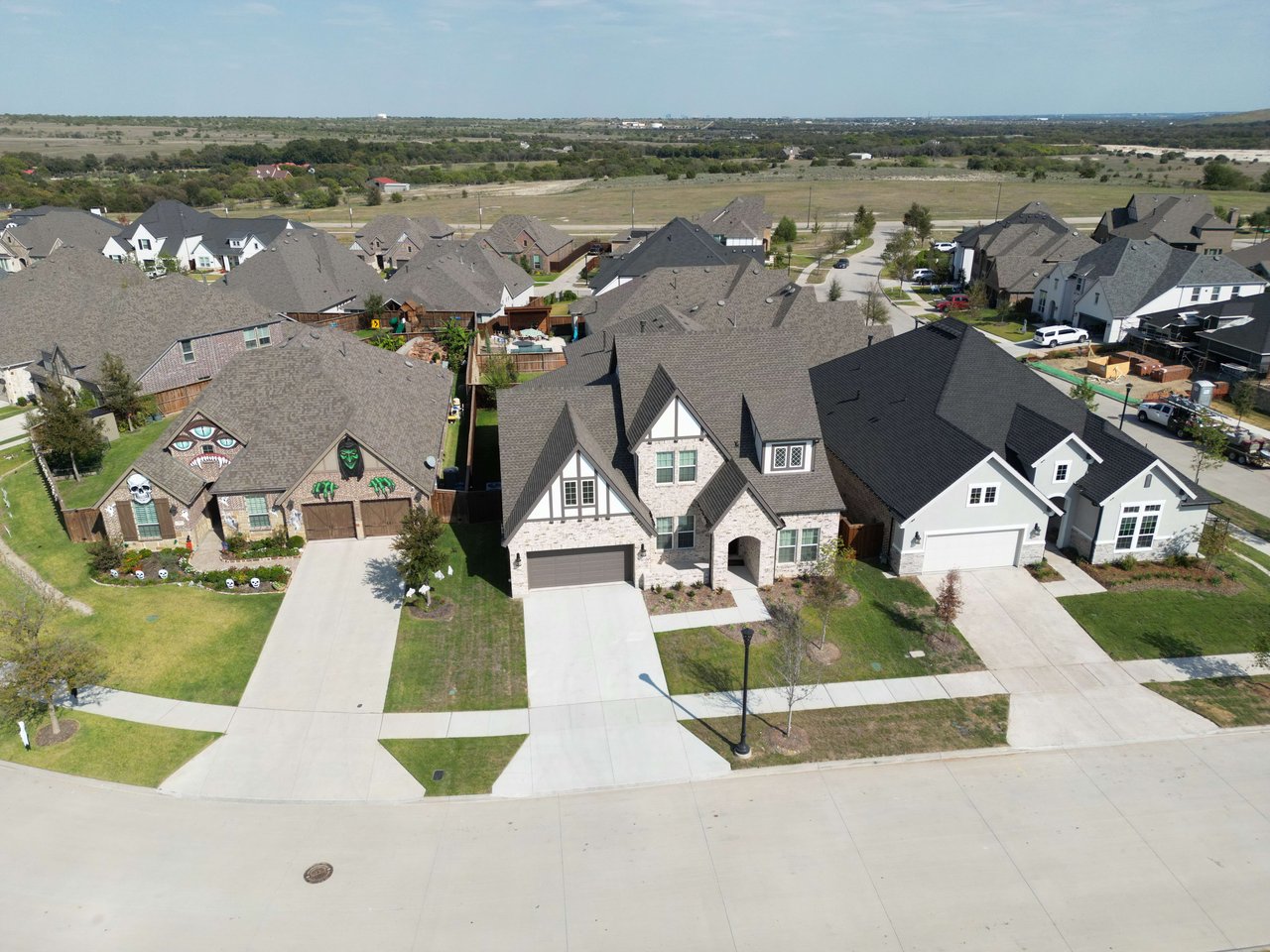
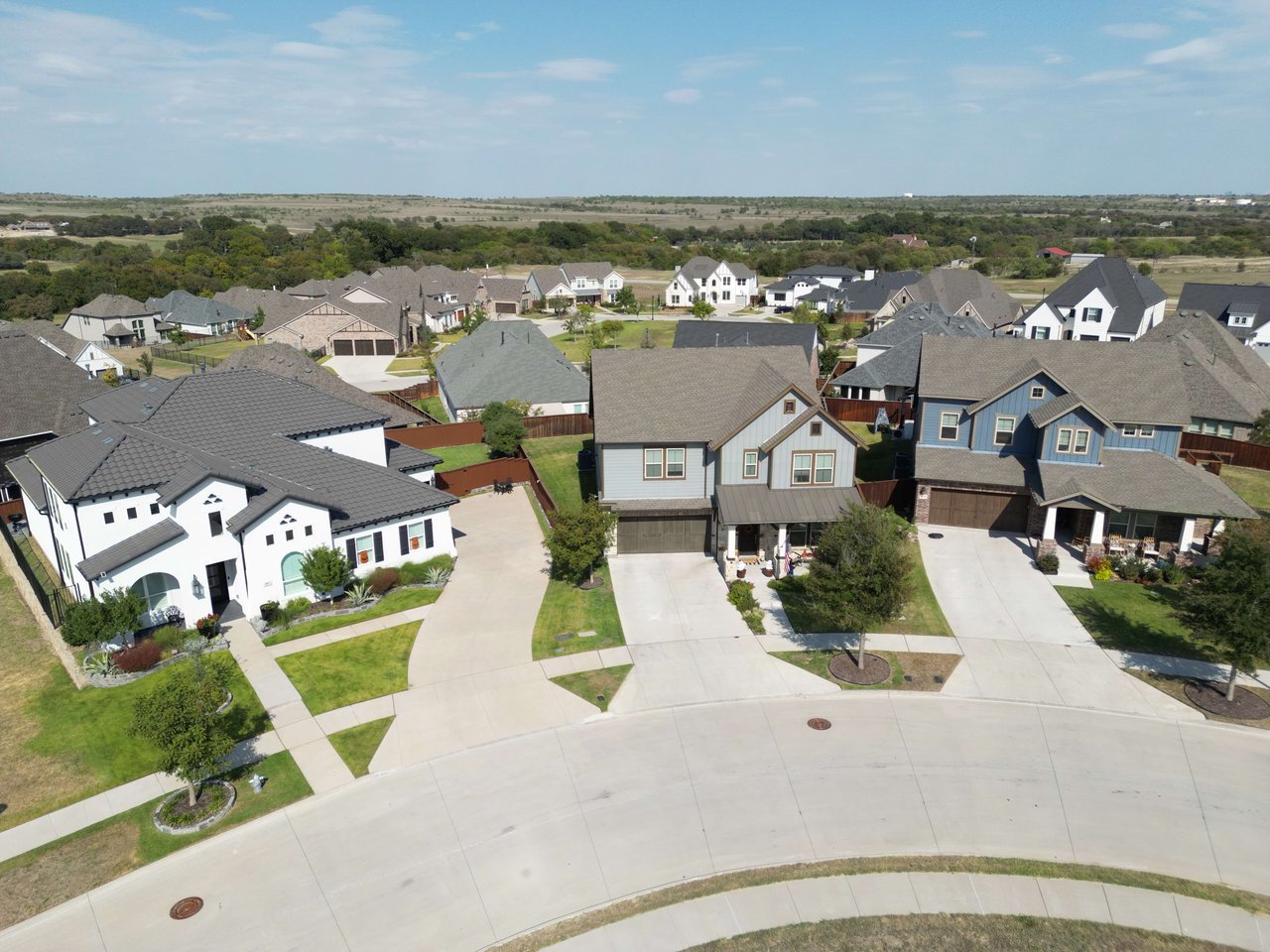
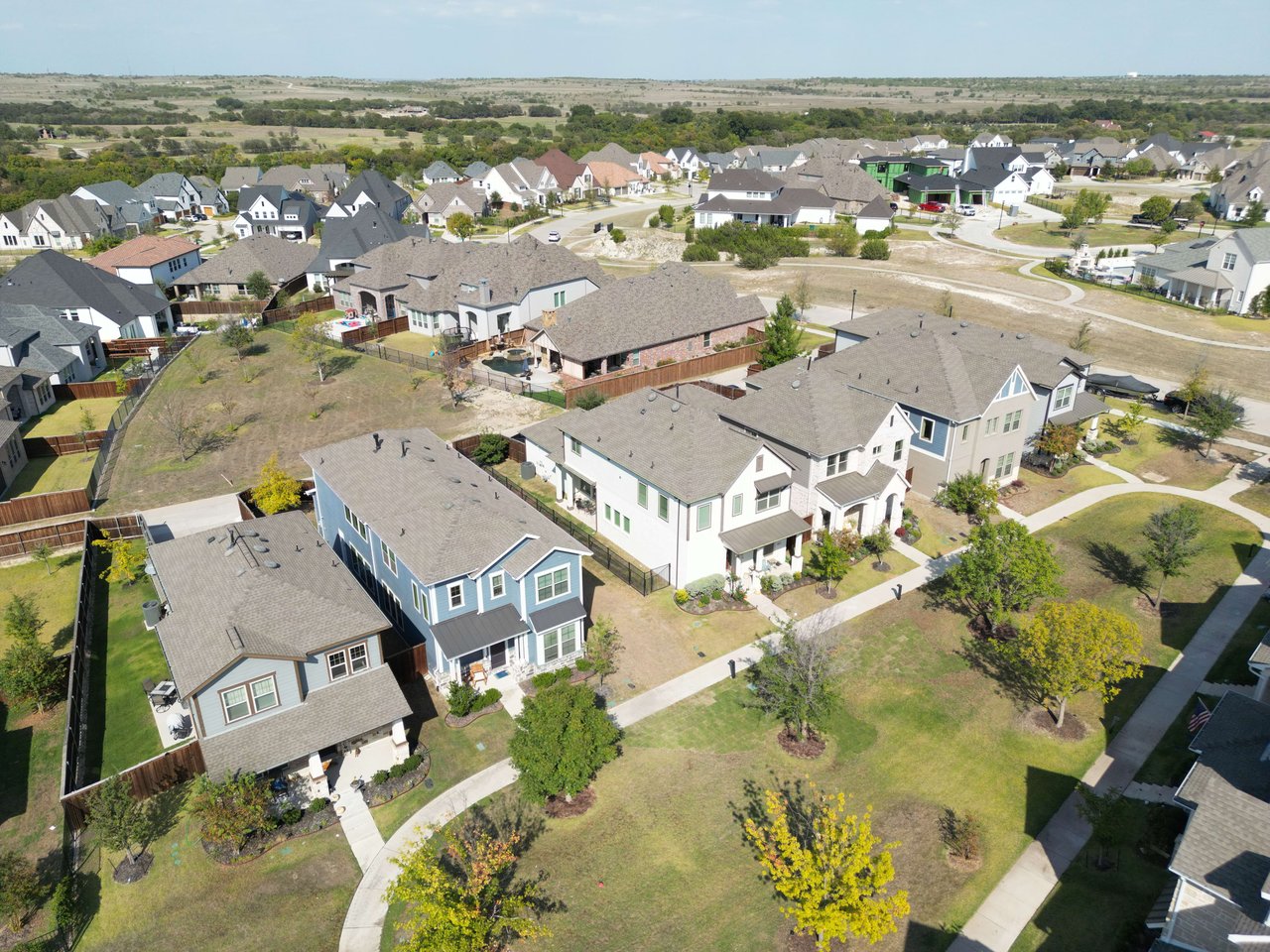
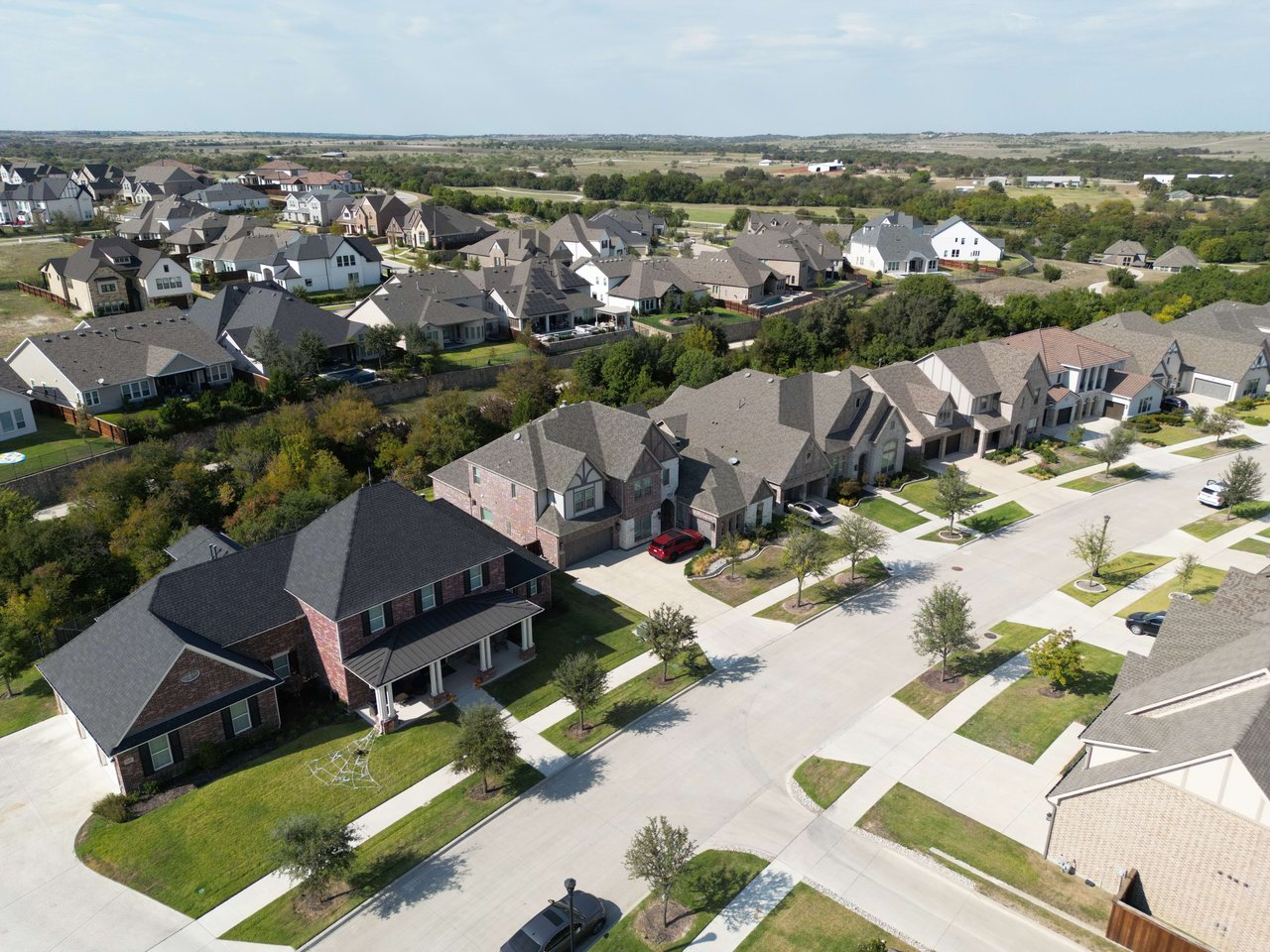
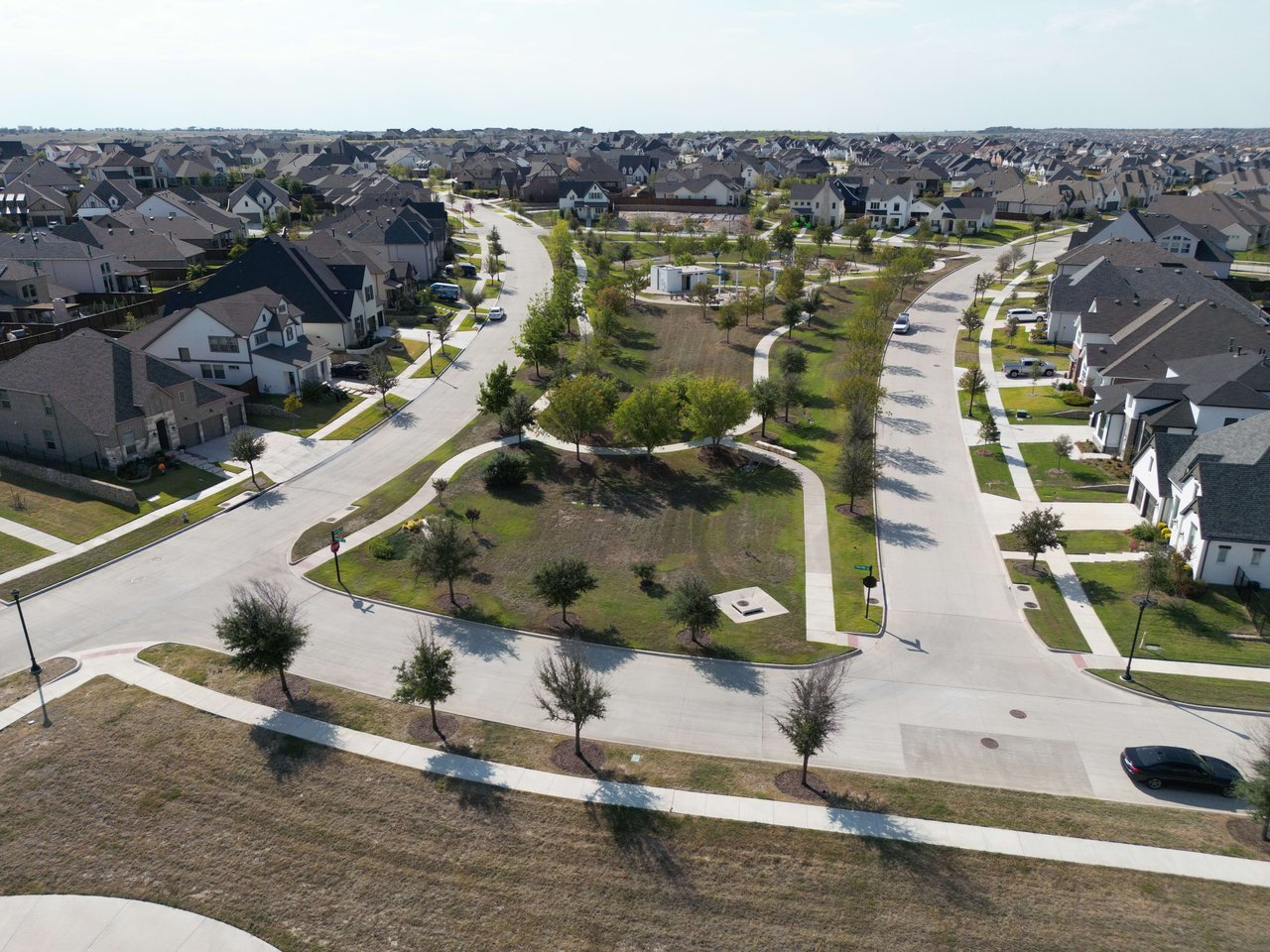
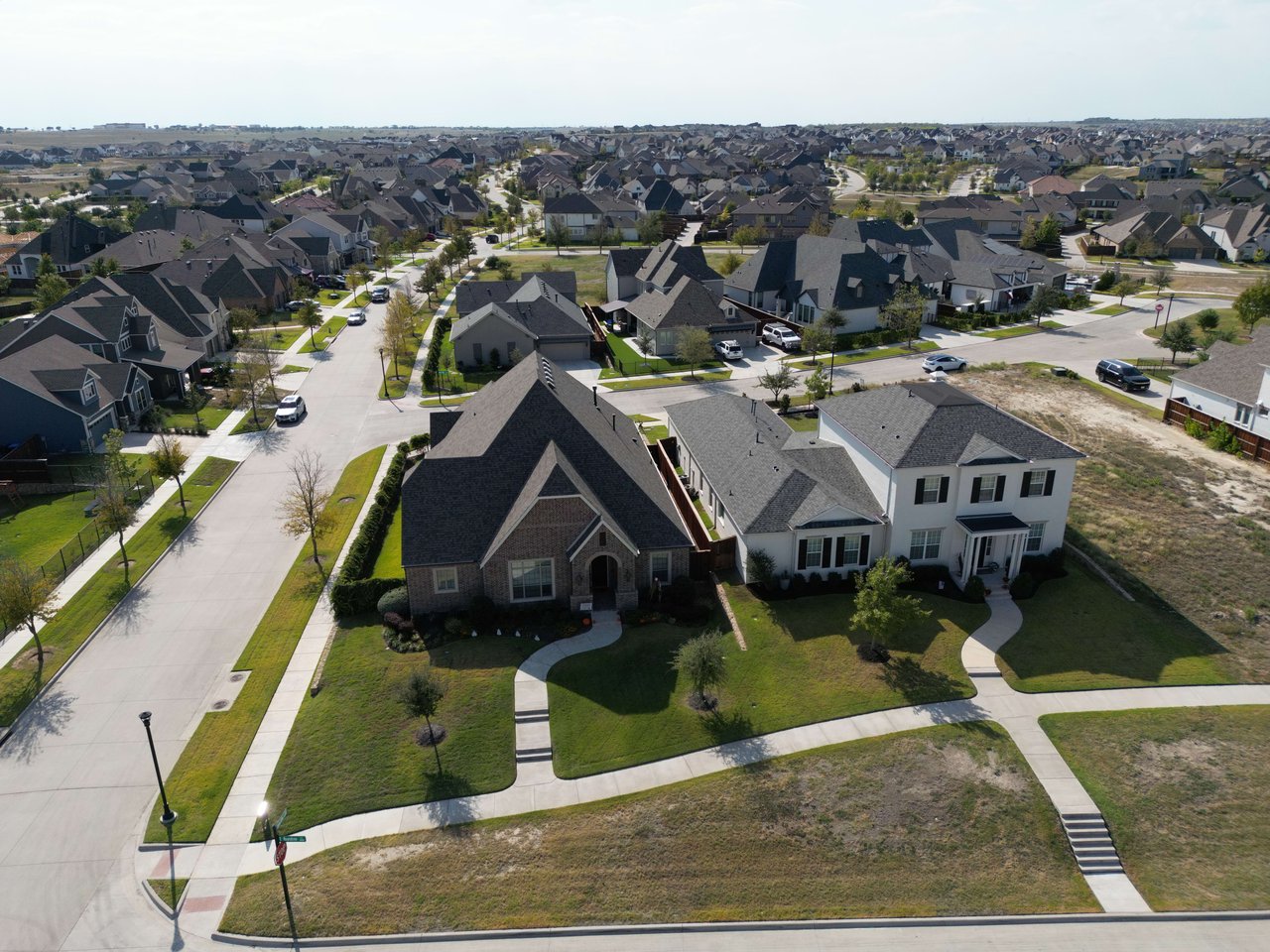
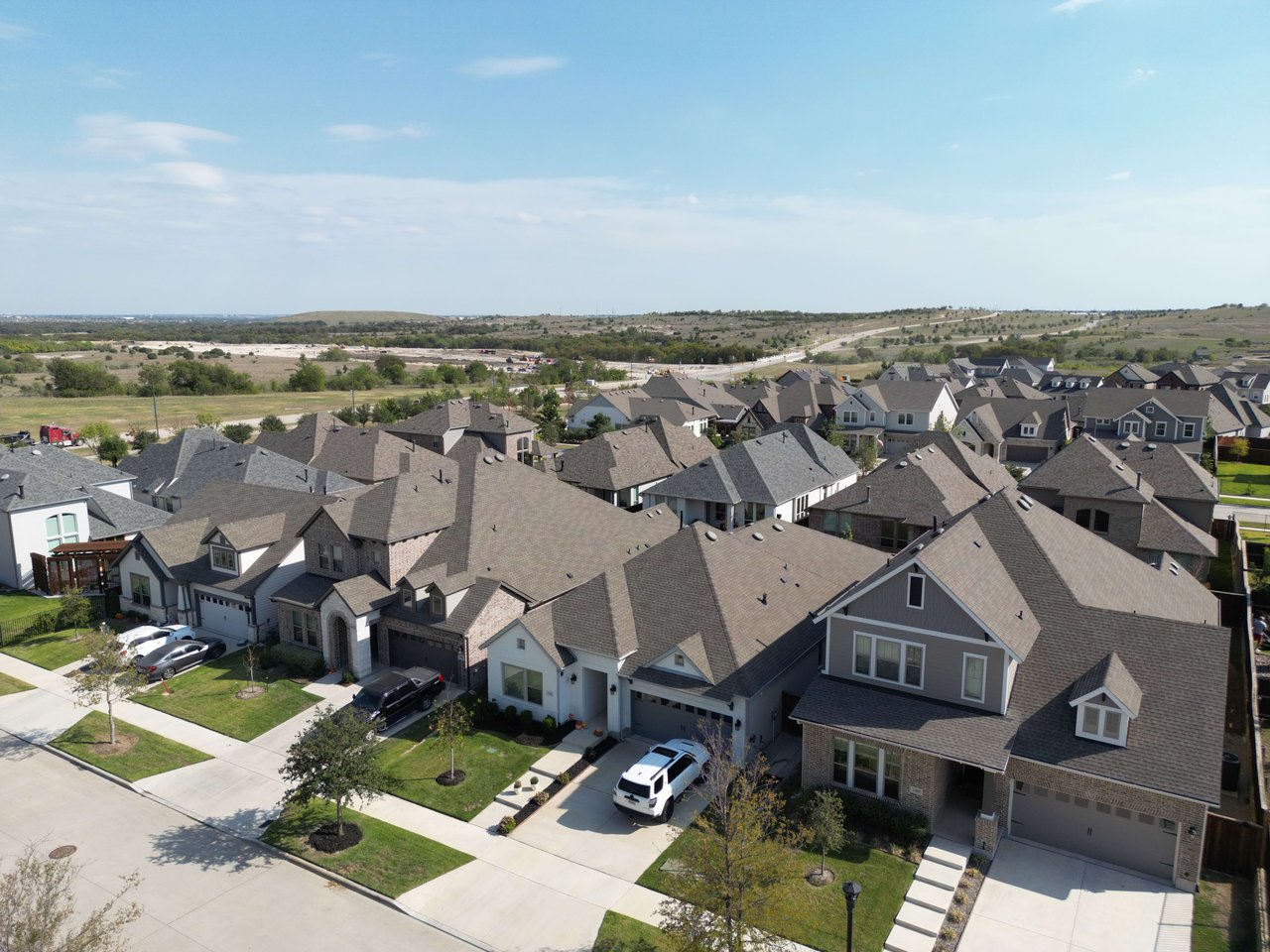
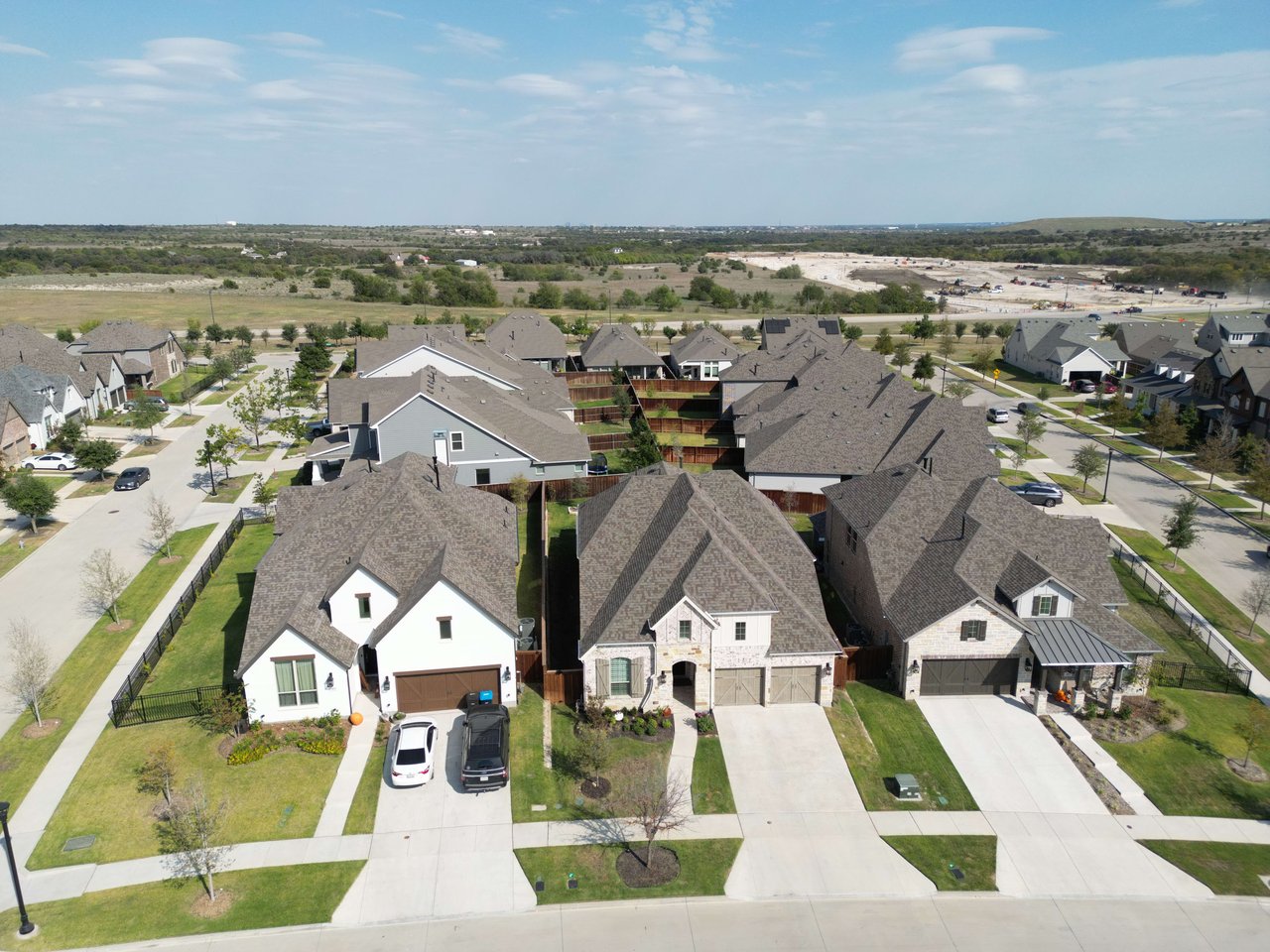
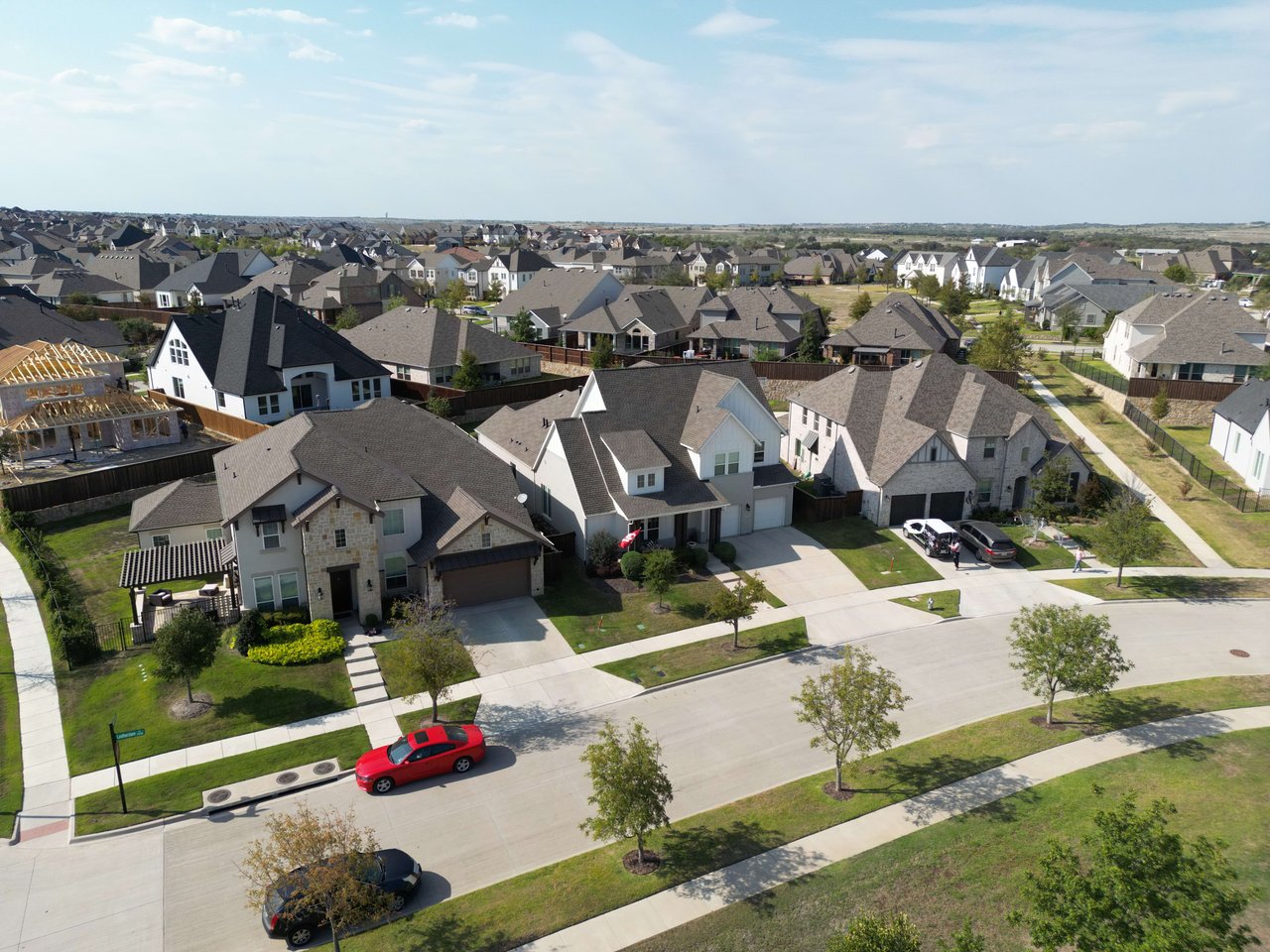
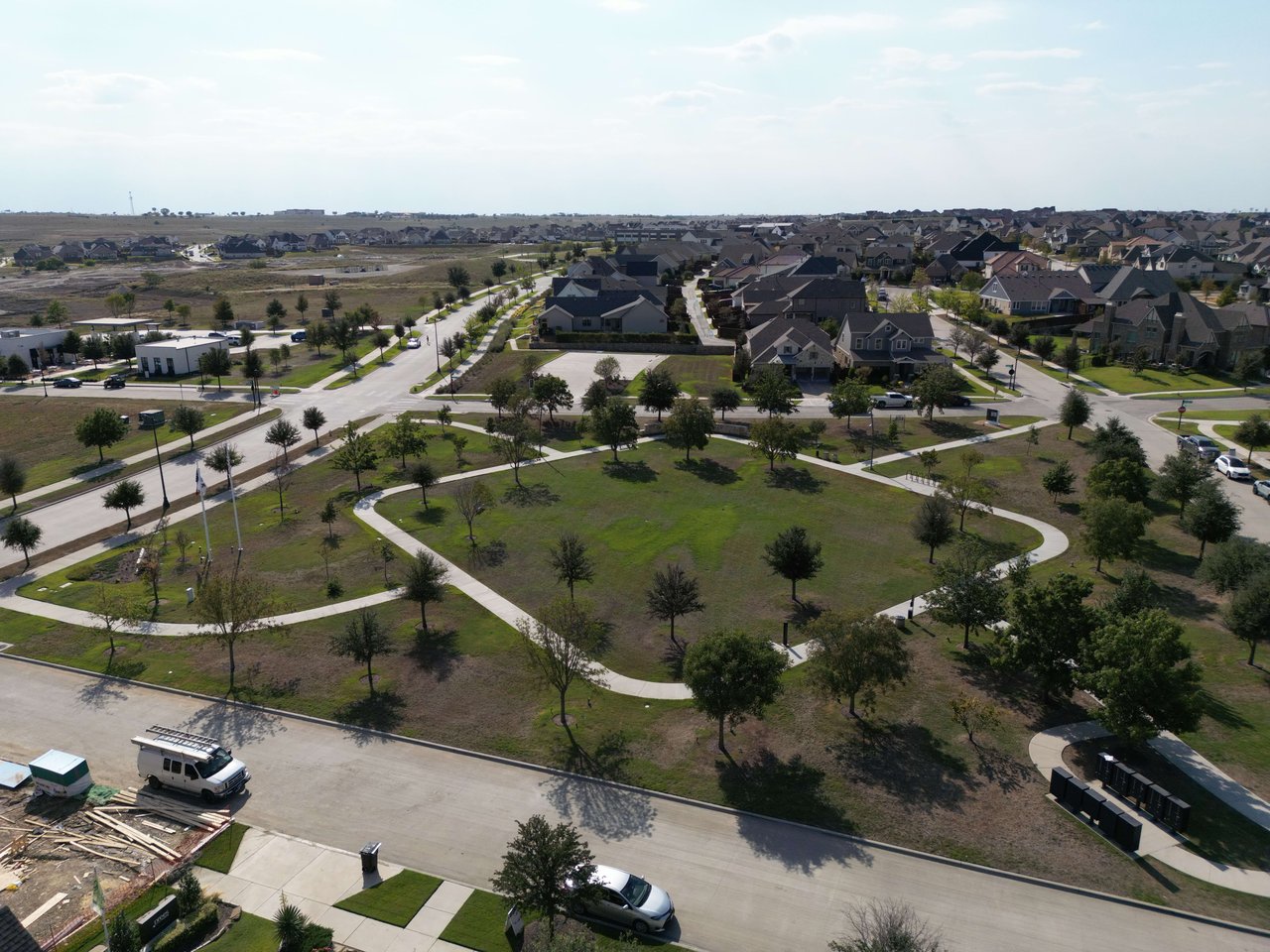
Walsh, still widely known as Walsh Ranch, is a 7,200-acre master-planned community twelve miles west of downtown Fort Worth, spanning Tarrant and Parker counties inside Aledo ISD. About 1,700 acres are developed so far. At full buildout the plan calls for roughly 15,000 homes and close to 50,000 residents — which would make Walsh larger than most incorporated towns in this part of Texas.
That scale is the first thing to understand, because most of what follows comes from it. You are not buying into a finished neighborhood. You are buying into one that will be under construction for years, in phases, with the earliest sections aging while newer ones open.
I'm a Fort Worth broker and a Certified Residential Appraiser. What follows is the version I'd give a client, including the numbers I pulled from MLS myself.
Walsh gets discussed more than it gets measured, so here is the measurement. Across 428 closed sales over three years, controlling for house size, lot size and vintage, values in Walsh have fallen 1.83% a year — a result solid enough at p = 0.012 that I'd stand behind it rather than call the market flat.
Close year | Sales | Median | $/sq ft | Days |
|---|---|---|---|---|
2024 | 112 | $599,950 | $223 | 83 |
2025 | 153 | $593,000 | $213 | 85 |
2026 | 122 | $590,000 | $211 | 51 |
This is not a Walsh problem. Across Fort Worth, sixteen of the thirty-one ZIP codes with enough volume to measure are declining at conventional significance and only one is rising — and the pattern sorts by distance from downtown and by price level, not by any individual community's merits. Walsh sits twelve miles out. That is the neighborhood it's in, statistically speaking.
What it does mean for a seller is concrete: Walsh is not appreciating its way out of a high entry price, and resale here competes directly with a builder who can move incentives, rate buydowns and closing costs in ways an individual seller cannot.
Walsh carries a higher monthly cost than the communities around it. That is worth knowing before you write a contract, and it is worth understanding rather than just noting, because most of the gap is buying something specific.
Community | District | Median | Sq ft | $/ft | Dues/mo | Tax rate | Days |
|---|---|---|---|---|---|---|---|
Walsh | Aledo | $599,047 | 2,776 | $216 | $219 | 2.38% | 74 |
Morningstar | Aledo | $387,973 | 2,123 | $183 | $88 | n/a | 41 |
Tavolo Park | Crowley | $545,500 | 2,351 | $232 | $83 | 2.25% | 68 |
Ventana | Fort Worth | $469,900 | 2,545 | $185 | $80 | 2.12% | 57 |
Lost Creek | Fort Worth | $489,000 | 2,760 | $177 | $0 | 2.04% | 15 |
Three years ending September 2026. Morningstar's tax rate is unavailable because nearly every sale there is new enough that the assessment hasn't settled — see below. Lost Creek here means the 76008 community, not the similarly named one up near Roanoke.
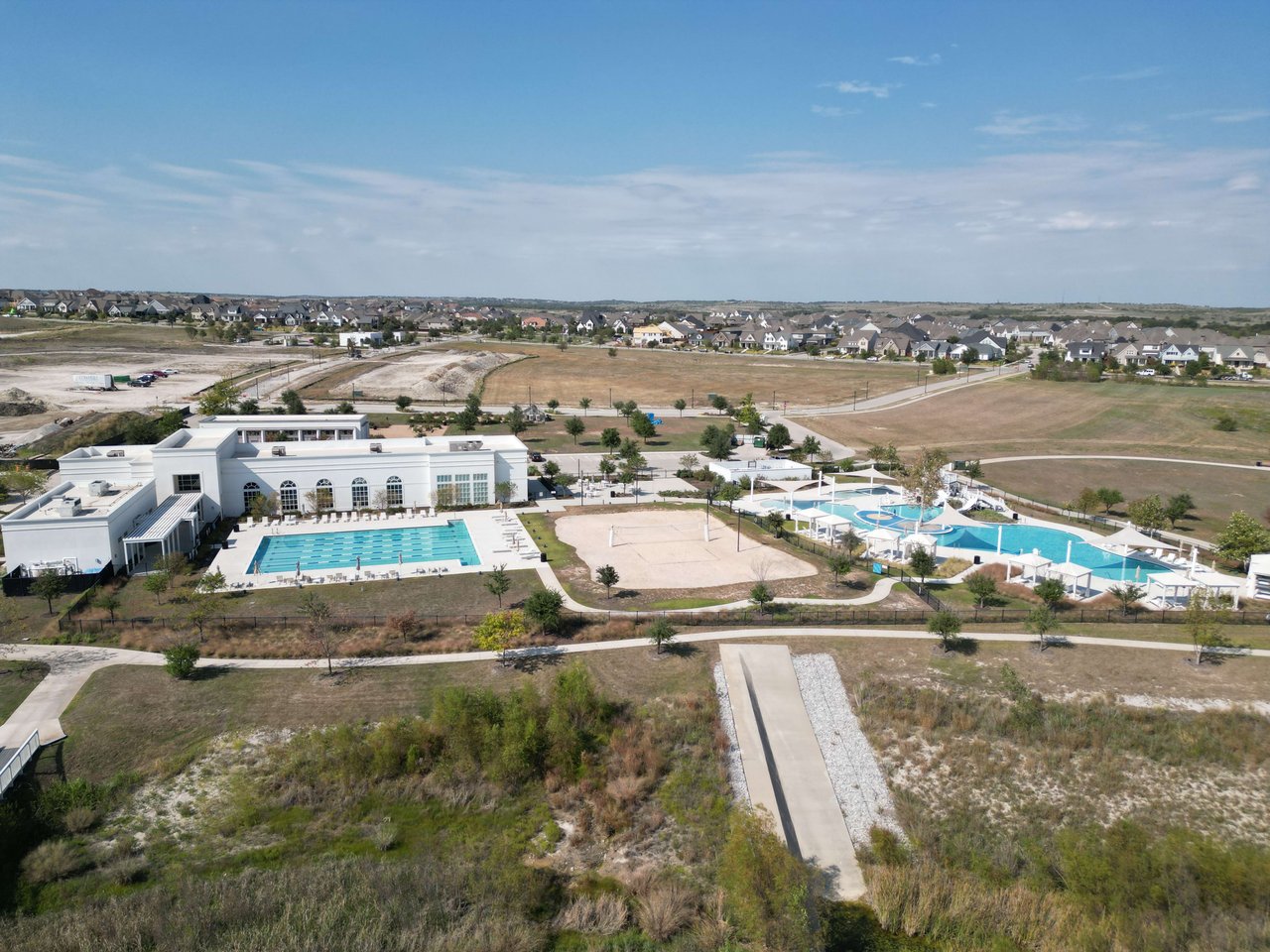
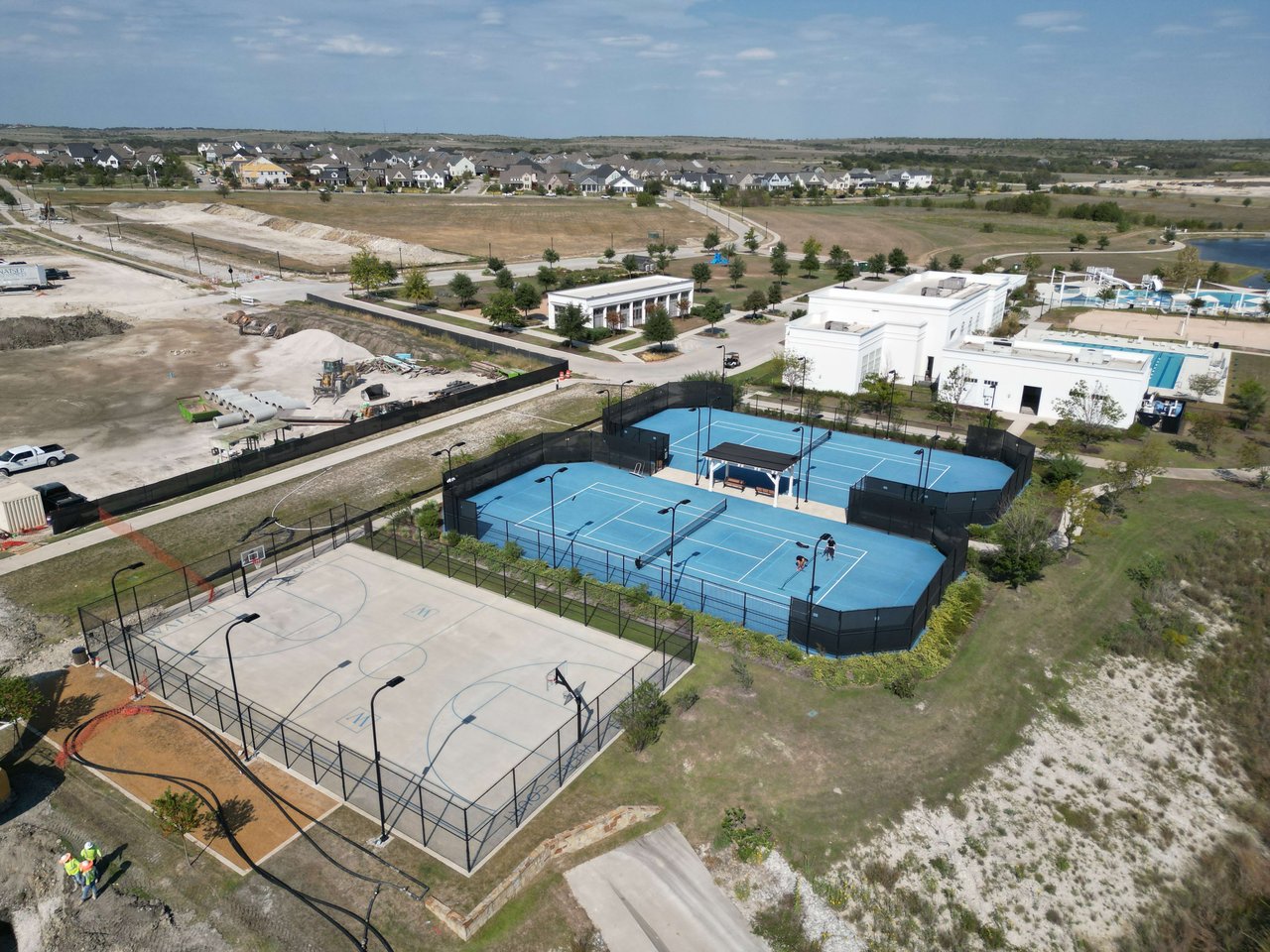
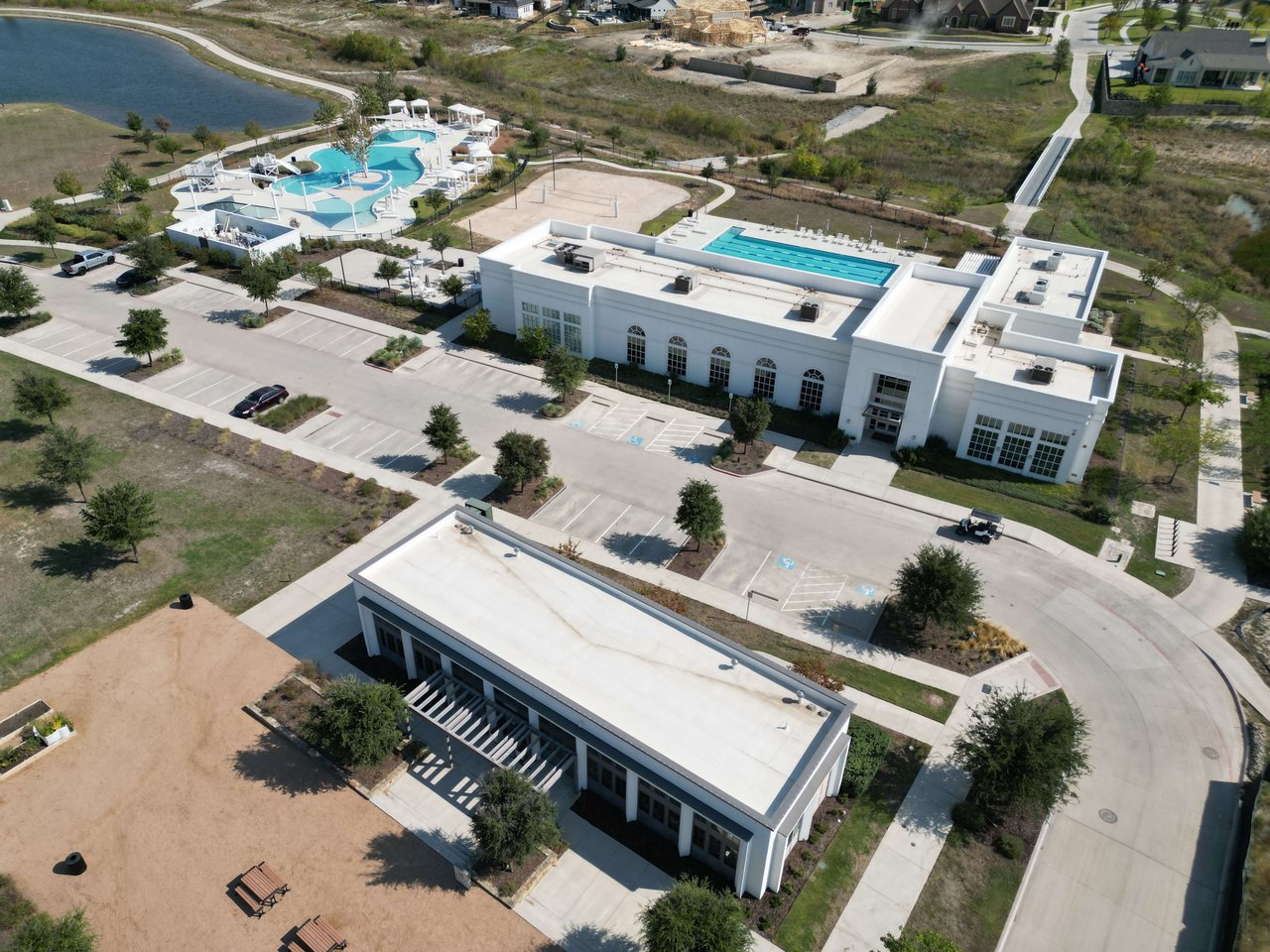
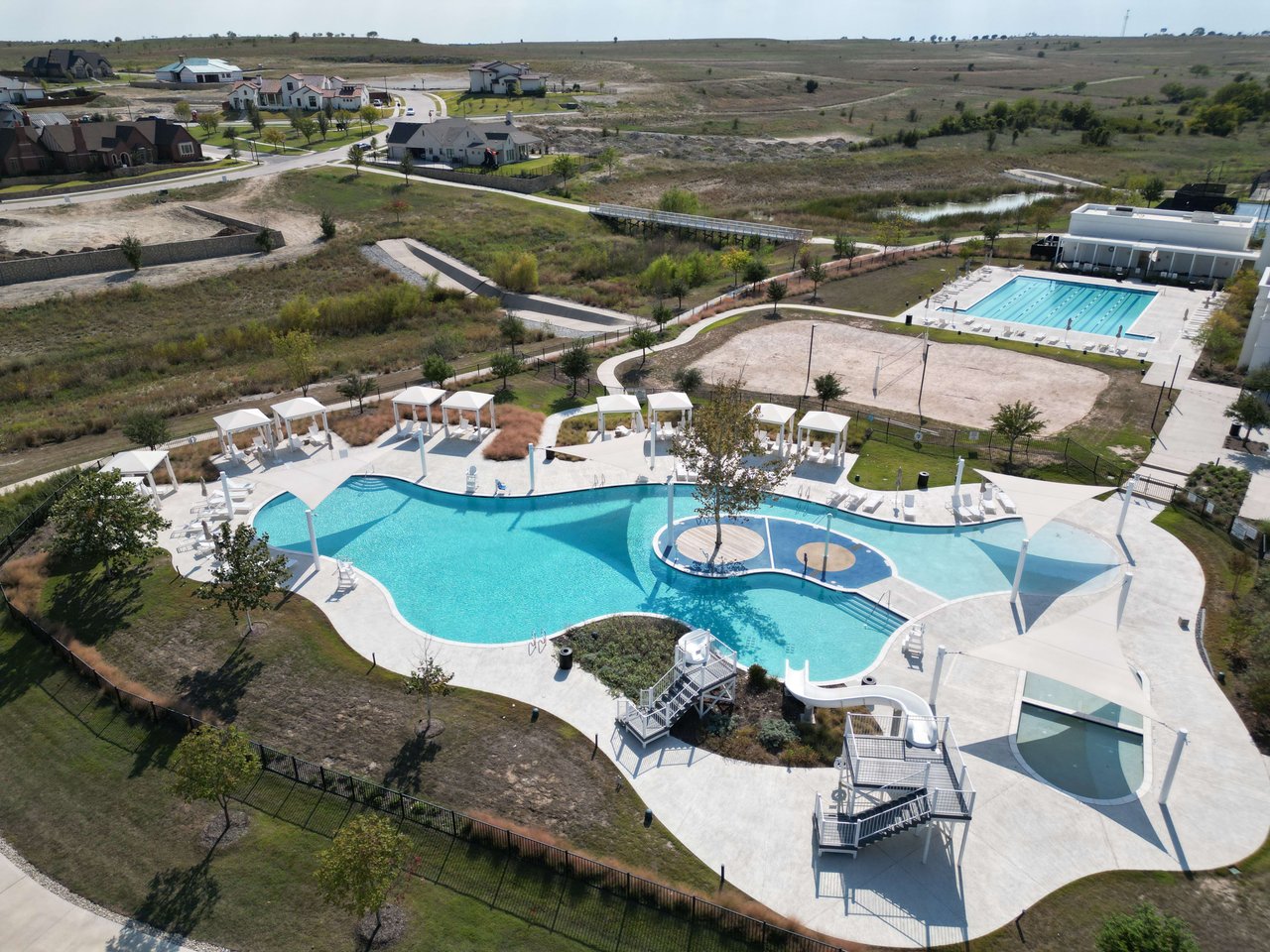
Start with the dues, because the sticker overstates them. Walsh's $219 includes gigabit home internet, front-yard mowing on most plans, Athletic Club membership, and the parks, pools and 24-plus miles of trails. The internet alone is $80 to $100 of service you would otherwise buy. Lawn service on a front yard runs another $40 or so.
Net those two out and the real cost of the Walsh HOA is closer to $90 a month — and that $90 is buying the Athletic Club, the pools and the trail system. Compared against Ventana's $80 or Tavolo's $83, which include none of it, Walsh's dues are arguably the best value in the table rather than the worst.
The actual difference is the PID, and it's smaller than the dues suggest. On an identical $600,000 home, the tax rate alone produces:
So on an equal-value house, after crediting the services the dues actually include, Walsh runs roughly $70 a month more than Tavolo Park, about $140 more than Ventana and about $250 more than Lost Creek — most of it the PID, the rest the amenity package.
And a meaningful part of what that buys is Aledo ISD. Ventana and Lost Creek are Fort Worth ISD. Tavolo Park is Crowley ISD. Morningstar is the only community in this table in the same district as Walsh, and it is a different and newer product at a lower price point. If Aledo schools are why you're looking at Walsh, then comparing its monthly cost to a Fort Worth ISD community isn't a like-for-like comparison at all — you'd be pricing the house and ignoring the reason you wanted it.
And if you're going private, homeschooling or don't need schools at all, that premium isn't buying a district. It's buying amenities and a newer community, and Tavolo Park or Ventana at a lower entry price may simply be the better fit.
The point isn't that Walsh is expensive. It's that the monthly number is a real part of the decision, it can run into the hundreds of dollars, and almost nobody runs it before they fall in love with a floor plan.
Walsh carries a Public Improvement District assessment. That's how the roads and utilities got financed ahead of the rooftops, and it sits on top of your ordinary property taxes.
As of the end of 2025 the combined rate in Walsh was about 2.69% — Aledo ISD at roughly 1.19%, the City of Fort Worth at 0.67%, county and hospital district levies, and a PID assessment of roughly $0.35 per $100 of value.
You'll notice the table above measures 2.38% rather than 2.69%, and the gap is worth understanding because it runs through every listing you'll look at. The tax figure shown on a listing is the seller's tax bill, not yours. On new construction the appraisal district often has only the land on the roll — across Fort Worth, a house sold in its first year shows an effective rate near 0.4% that resets to roughly 2.3% by year two. On an older home, Texas caps how fast a homesteaded assessment can rise, and that cap comes off when the house changes hands. Both understate. The published rate is the honest one.
Walsh's rate runs higher than comparable Aledo ISD communities outside Fort Worth city limits. That isn't a criticism — you get city services and a substantial amenity package for it — but if you're comparing Walsh to another Aledo ISD neighborhood on monthly payment, the difference is real and it isn't in the sale price.
The PID notice you'll sign doesn't have to tell you the amount. Texas requires notice that an assessment exists, that it can be paid in full or in installments, and that nonpayment can lead to penalties, interest, a lien and foreclosure. The statutory form does not state the dollar figure — it directs you to obtain it from the city or county. There's already a well-documented case in Denton where roughly a hundred buyers learned about a PID when the tax bills arrived.
Get the number before you're under contract. On a $700,000 home the PID portion alone runs in the neighborhood of $200 a month, every month, for as long as the assessment lasts. I wrote up how PID and MUD notices work, and what a builder's contract does and doesn't oblige, in a longer piece on builder contracts.
This is the finding from the earlier version of this page, and three years of data made it stronger rather than weaker.
New construction and resale sell for the same price per square foot. New construction takes more than twice as long.
Builder inventory is discounting harder and sitting longer, while the recorded price per foot stays level with the resale market.
That is what a builder incentive looks like from the outside. Rate buydowns, closing-cost credits and design-center allowances don't reduce the recorded sale price — they get paid for in time on market and in concessions that never show up in the per-foot figure. Market value, properly defined, is the price unaffected by sales concessions. If you're pricing off recent Walsh closings, that gap is the thing to look at hardest.
For a buyer: builder inventory that has been sitting three or four months is where the negotiating room is, and it is not usually in the price.
For a seller: your 43-day resale market is genuinely faster than the builder's 93. That's a real advantage and most Walsh sellers price as though it doesn't exist.
Worth saying plainly, because it applies to master-planned communities generally and Walsh is twelve miles out.
Looking at every Fort Worth property that sold twice inside the last three years — owner to owner, excluding builder sales and excluding houses that were enlarged — there's a clear break at about nine miles from downtown. Inside it, 16.5% of those resales lost money. Beyond it, 35.7% did. Median gain inside was over 30%; beyond nine miles it was 1.7%.
That is not a distress story. Foreclosure and short-sale listings are actually rarer on the outer ring than in the center. It's that a buyer on the edge who needs to move within a couple of years frequently can't clear their basis, so they wait — outer-ring resellers held 17 to 19 months against 10 to 12 inside.
If Walsh is a ten-year house, this doesn't apply to you. If there's a real chance of a job change inside three years, price the entry accordingly.
An appraiser's note, and it runs against what I've written about other Fort Worth neighborhoods.
In most neighborhoods, larger homes carry a lower price per square foot than smaller ones — a kitchen and a roof and a foundation don't scale with size, so spreading those costs across more feet pulls the per-foot number down. In a piece on pricing I showed a Fort Worth subdivision where that slope ran from $239 down to $175.
In Walsh it's essentially flat. Across five size bands from under 2,200 square feet to over 4,000, the medians run $219, $221, $206, $219, $211.
The reason is the lot. In Walsh the homesite scales with the house — a median of about 4,100 square feet of land under the smallest homes and 9,500 under the largest. The added land offsets the fixed-cost spreading that creates the slope elsewhere.
Practically: the per-square-foot shortcut is less dangerous in Walsh than in most places. Not safe, but less dangerous. And knowing why is the difference between using it carefully and using it blindly.
There's a section of Walsh that the MLS doesn't distinguish and that anyone who knows the community does.
Cline Park sits off Cline Ridge Road in the southern part of the development — Nouvelle, Paladora, Cline Ridge and Cotano. The MLS lists those homes under the same subdivision name as the rest of Walsh, so in any automated pull, any Zestimate, and any per-foot average, they're folded in with everything else.
They shouldn't be. It's a different product entirely.
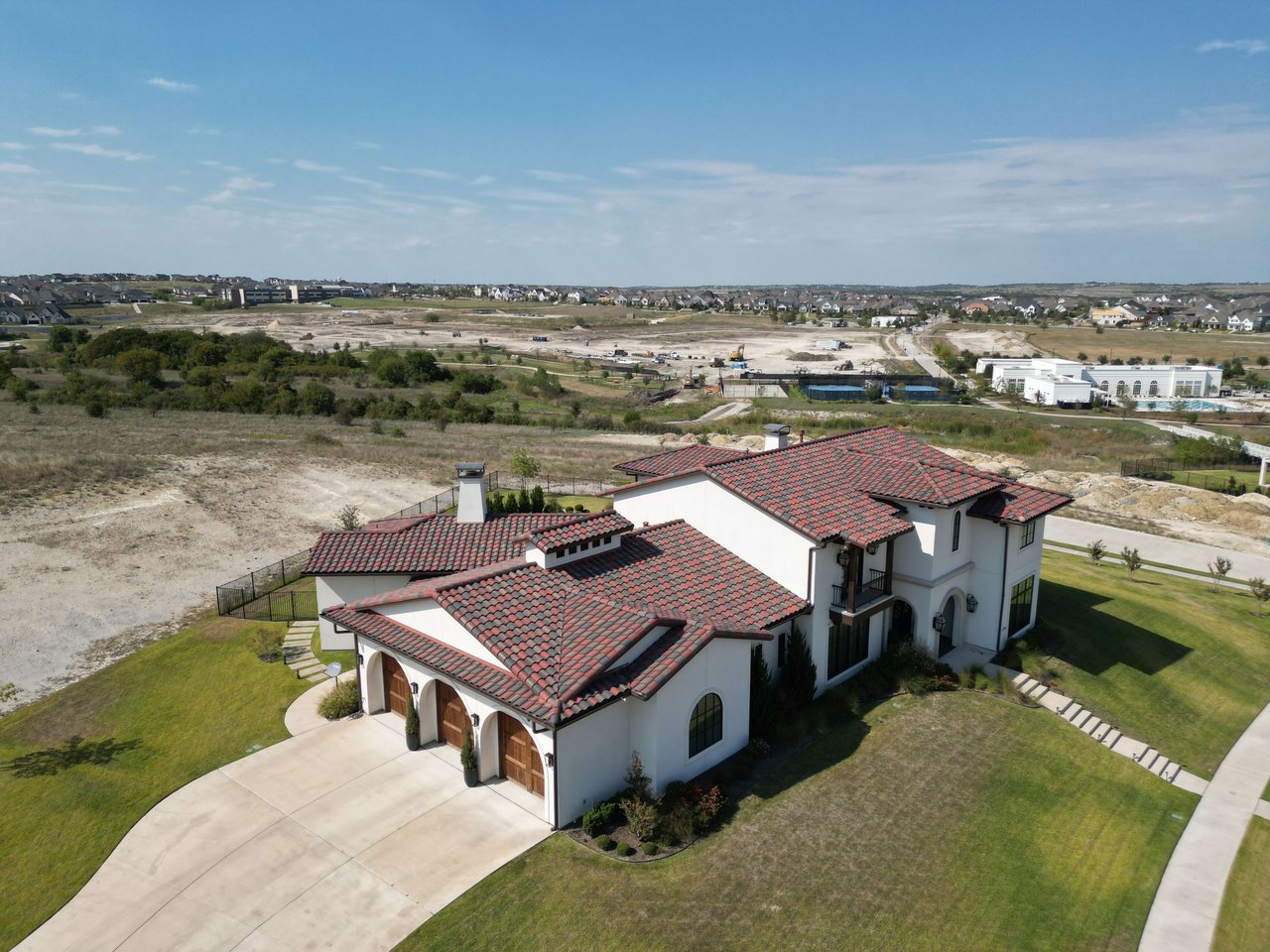
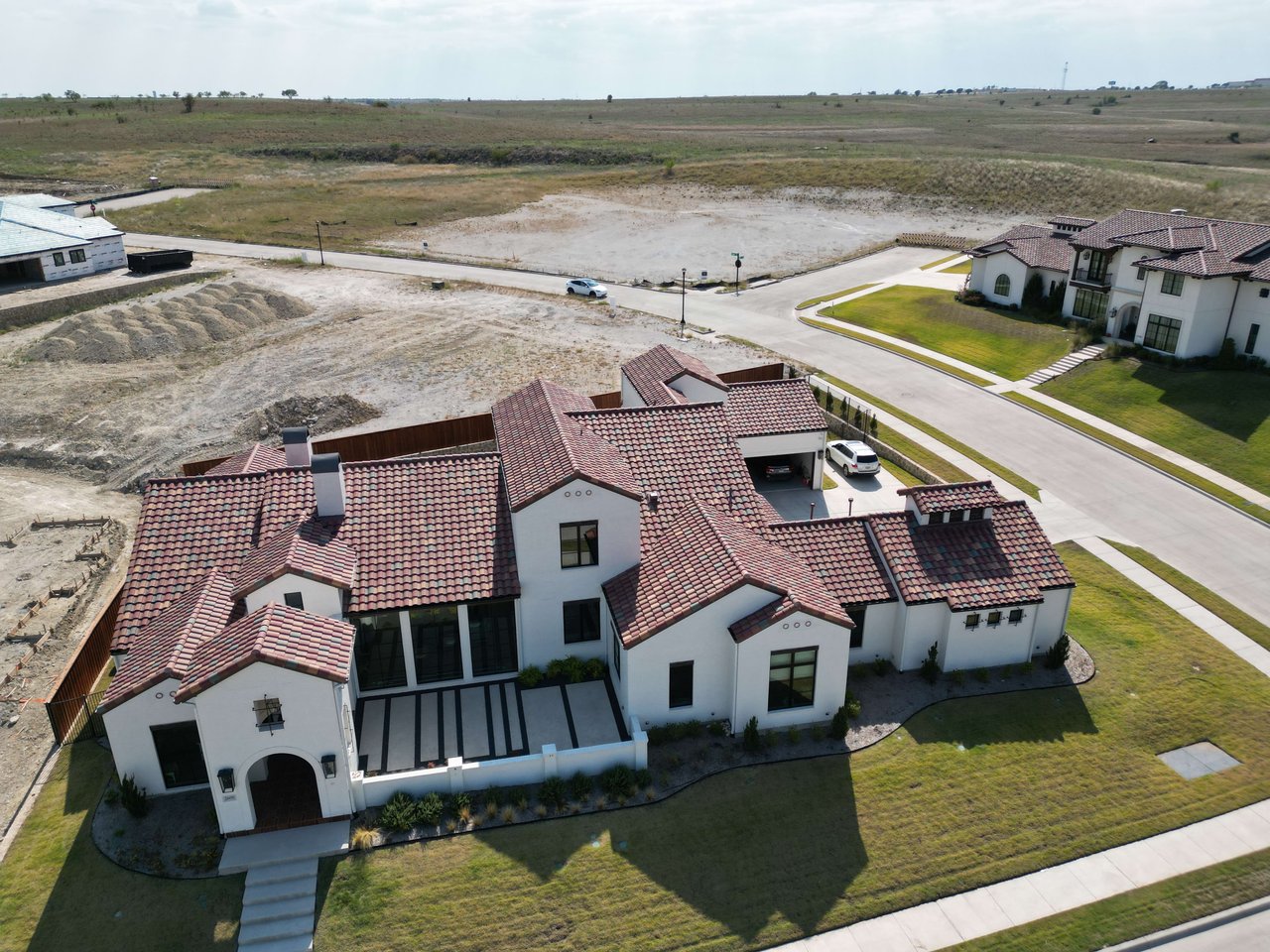
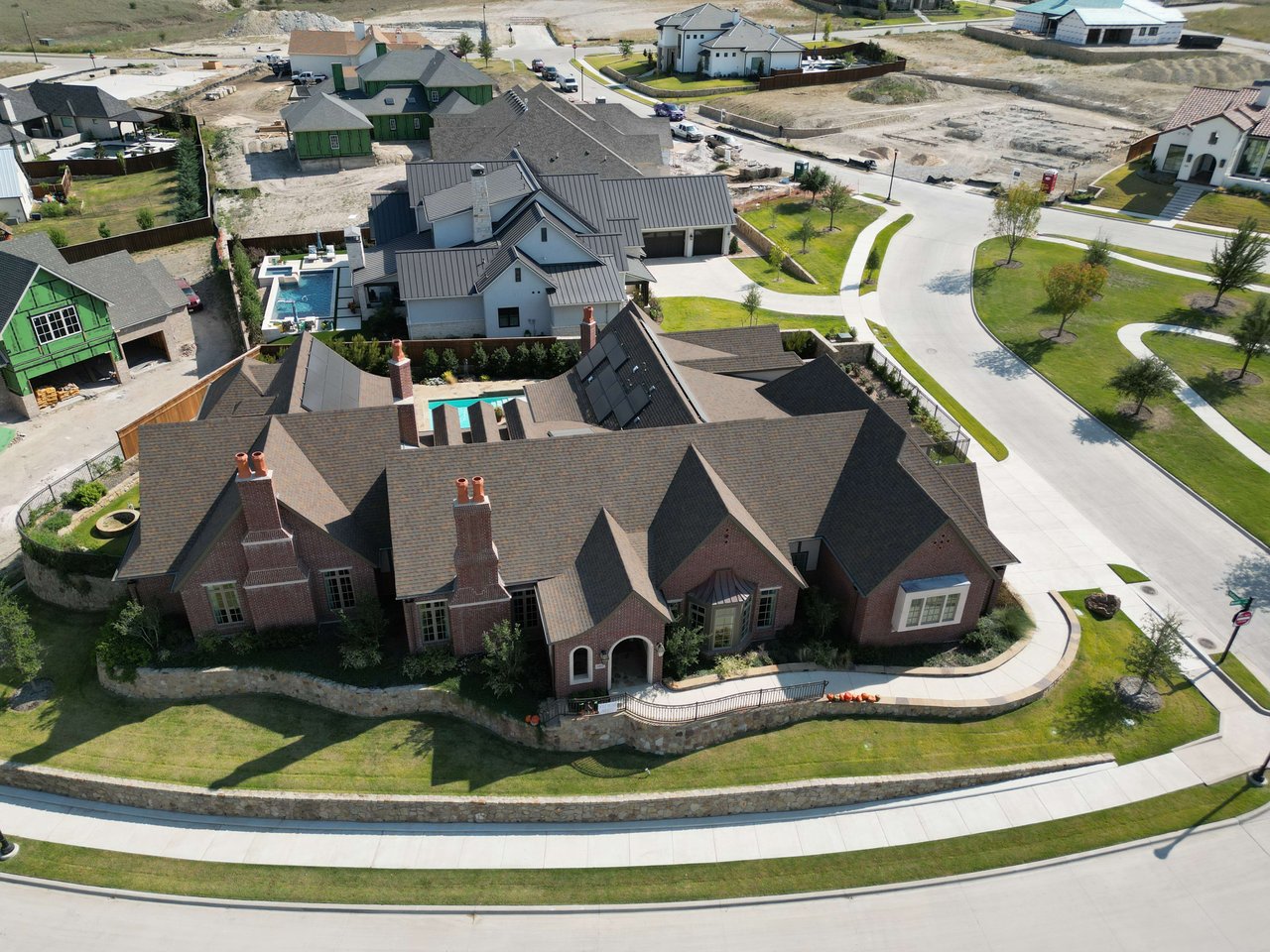
Cline Park lots run from roughly 12,000 to 34,000 square feet against a Walsh median of about 7,275. The homes are custom builds rather than the volume builders who work the rest of the community. And the pricing is in a different world: closings there have run in the $1.6 million range at roughly $340 to $400 per square foot, against a Walsh median of $216.
That's a premium of 60 to 85 percent per foot — on the same HOA, the same schools, the same PID, and the same subdivision name in the MLS field.
This is the part that matters if you own in Cline Park or are thinking about buying there. Over two years, I count seven listings on those streets. Two closed. One is pending. Two were cancelled and one expired.
The two that sold went under contract in 16 and 31 days. The three that came off the market sat between two and nine months — and every one of them was asking more on a per-foot basis than the two that closed. One was listed above $500 a foot, expired after nine months, came back materially lower, and cancelled again.
With a sample that small I won't pretend there's a precise number. What I can tell you is what happened: the homes that traded were asking near $350 a foot, and the ones asking meaningfully above $400 came off the market instead. Nothing about that looks like distress. These are custom houses on large lots, owned by people with equity and no deadline — when the number doesn't come, they'd rather stay than chase it.
If you own there, that's the single most useful thing on this page. Two or three comparable sales a year means your pricing decision has very little margin, and the MLS subdivision field will not help you — pull the wrong comps and you'll be looking at $216 a foot for a market that trades at nearly double.
Walsh is in Aledo ISD, and Walsh Elementary sits inside the community. Other Aledo campuses serve the rest. Aledo's reputation is a meaningful part of why buyers look here at all — and in a community adding this many homes, attendance boundaries move, so confirm current zoning with the district for a specific address.
Start with the good news, because it's the part sellers here underuse: a correctly positioned resale in Walsh moves in roughly 43 days at 96% of original list. Your competition is four streets over and it's brand new — and it's taking 93 days to sell and closing at 92%. That is a real advantage and most sellers here don't price like they have it.
The harder part is that values have moved down about 1.8% a year for three years running. Pricing to 2024 comps is the single most expensive mistake available here, and it's the most common one.
What works: the specific comparable sales closest to your plan and phase, an honest read on what the builder is currently offering, and a clear account of what your home has that new construction doesn't — finished landscaping, blinds, fencing, upgrades at yesterday's option pricing, and a yard that drains.
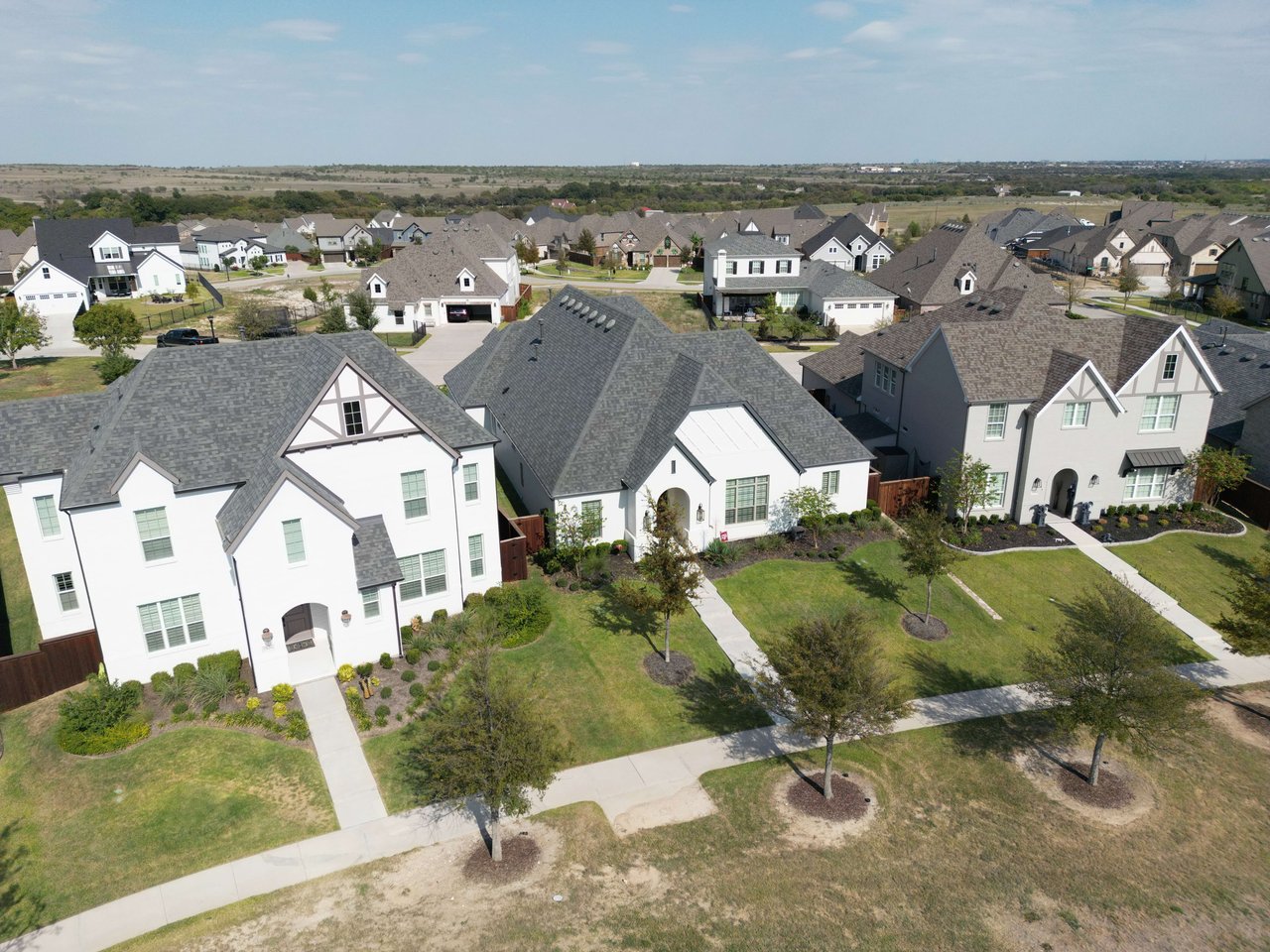
What doesn't: a per-foot average across all of Walsh. It blends volume-builder product with custom Cline Park homes trading at nearly twice the rate, and it describes neither.
A community still under construction, competing against its own builder, in a market that has moved down three years running, with a monthly carrying cost above the communities next door and a custom enclave inside it trading at double the average — all filed under one subdivision name.
That's a valuation problem before it's a real estate problem. What I can tell you is what the closed sales nearest your plan and phase actually support, how wide the range around that is, and what the house will cost you every month to hold.
If you're early, that's the right time to call. The decisions that cost the most in a master-planned community get made before anybody writes a contract.
Walsh isn't declining in isolation. Across Fort Worth, sixteen of thirty-one measurable ZIP codes are falling and exactly one is rising — my citywide market report has the ZIP-by-ZIP numbers and how they were measured.
Call or text (682) 207-4310, or send me a note.
Sales figures are medians and model results from NTREIS closed sales for the three years ending September 2026, reported in aggregate. Tax rates, HOA dues and PID assessments change — confirm current figures for a specific address before relying on them.


Whether buying or selling, get property-specific guidance from a Fort Worth broker and Certified Residential Appraiser.


