Ryan Place
Historic homes south of downtown — 1912 to the 1940s, bungalows to the Elizabeth Boulevard mansions, walkable to Magnolia and minutes from the medical district. Written by an appraiser who grew up a few blocks away.
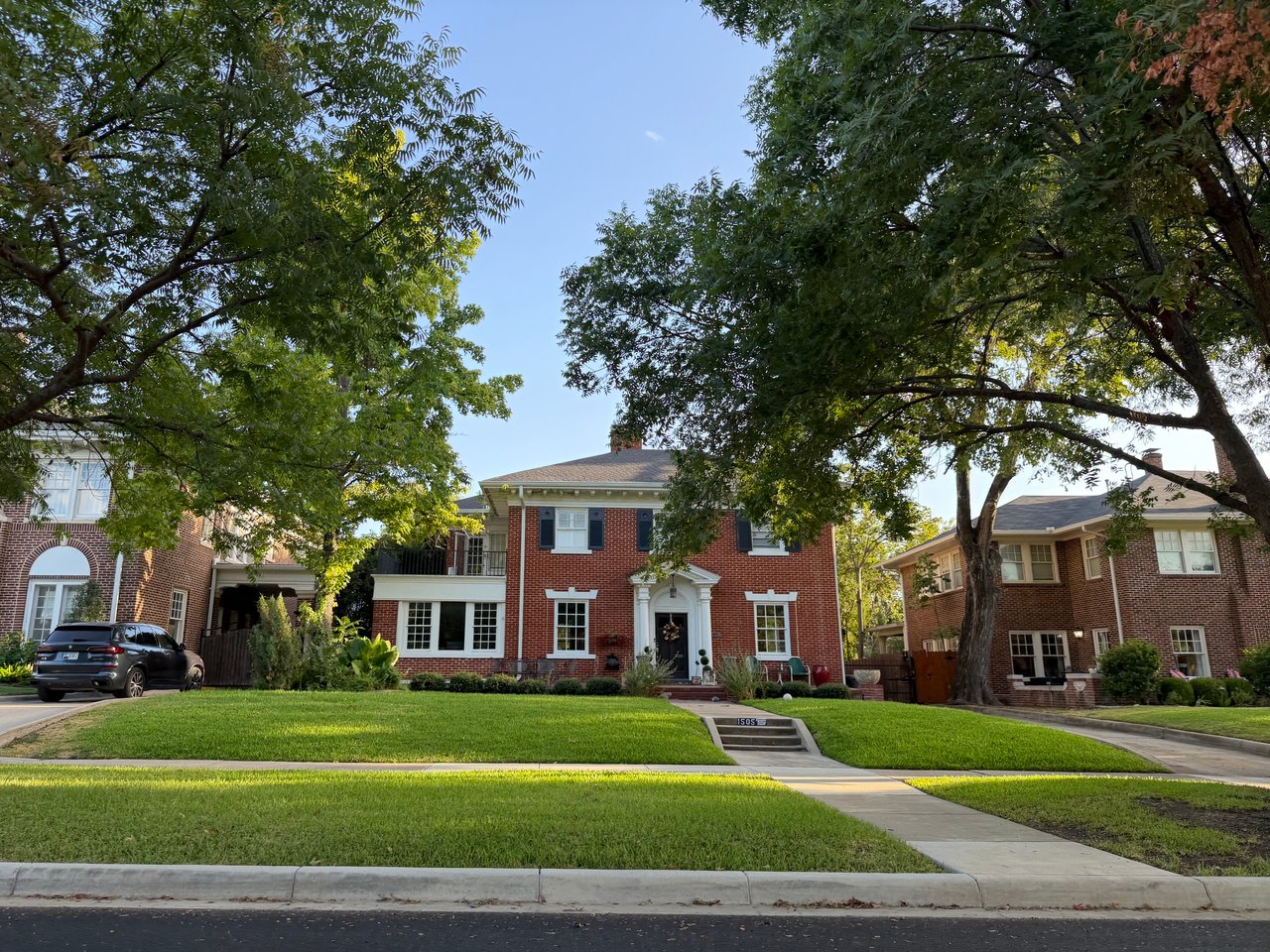
Historic homes south of downtown — 1912 to the 1940s, bungalows to the Elizabeth Boulevard mansions, walkable to Magnolia and minutes from the medical district. Written by an appraiser who grew up a few blocks away.
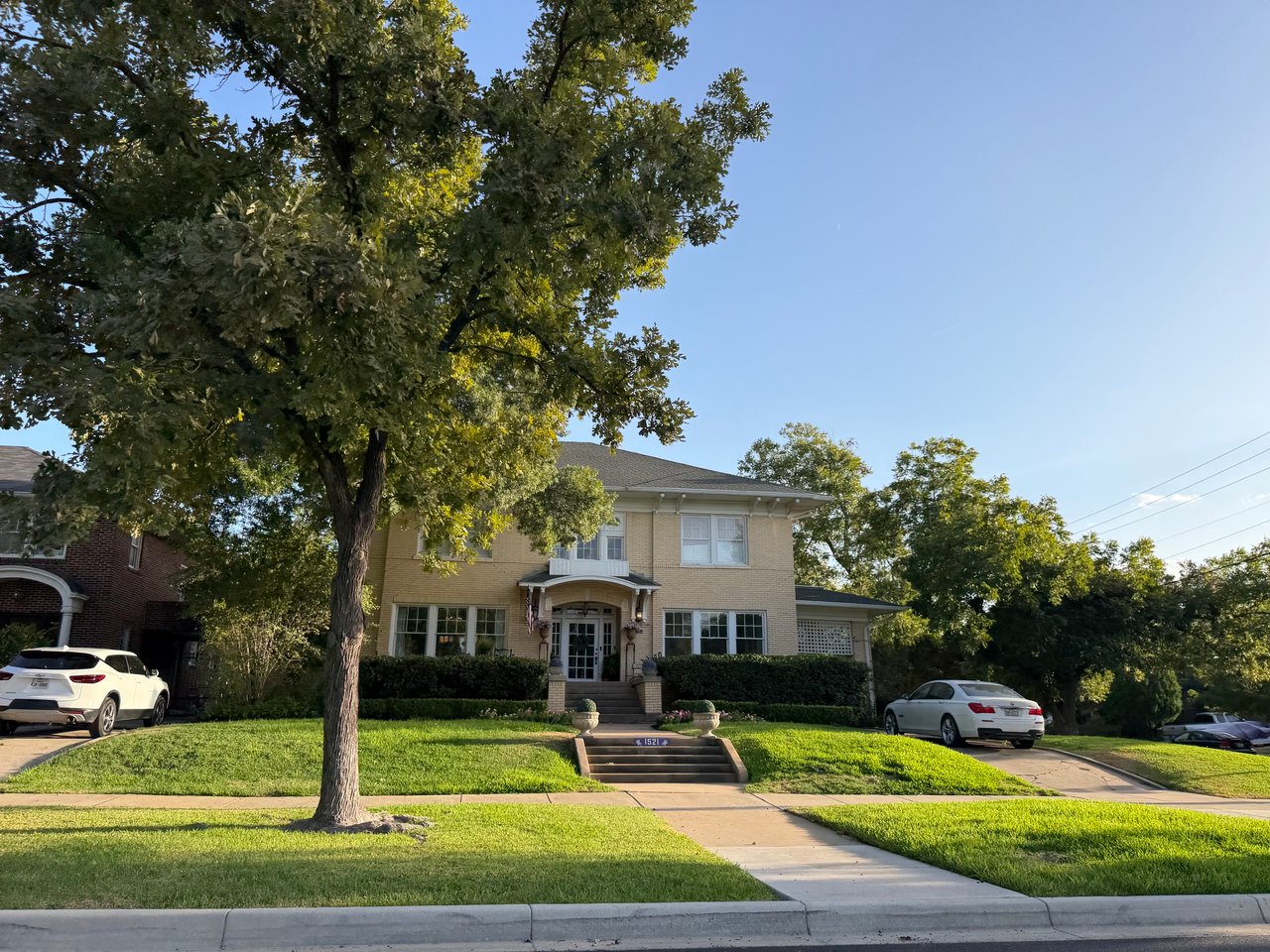
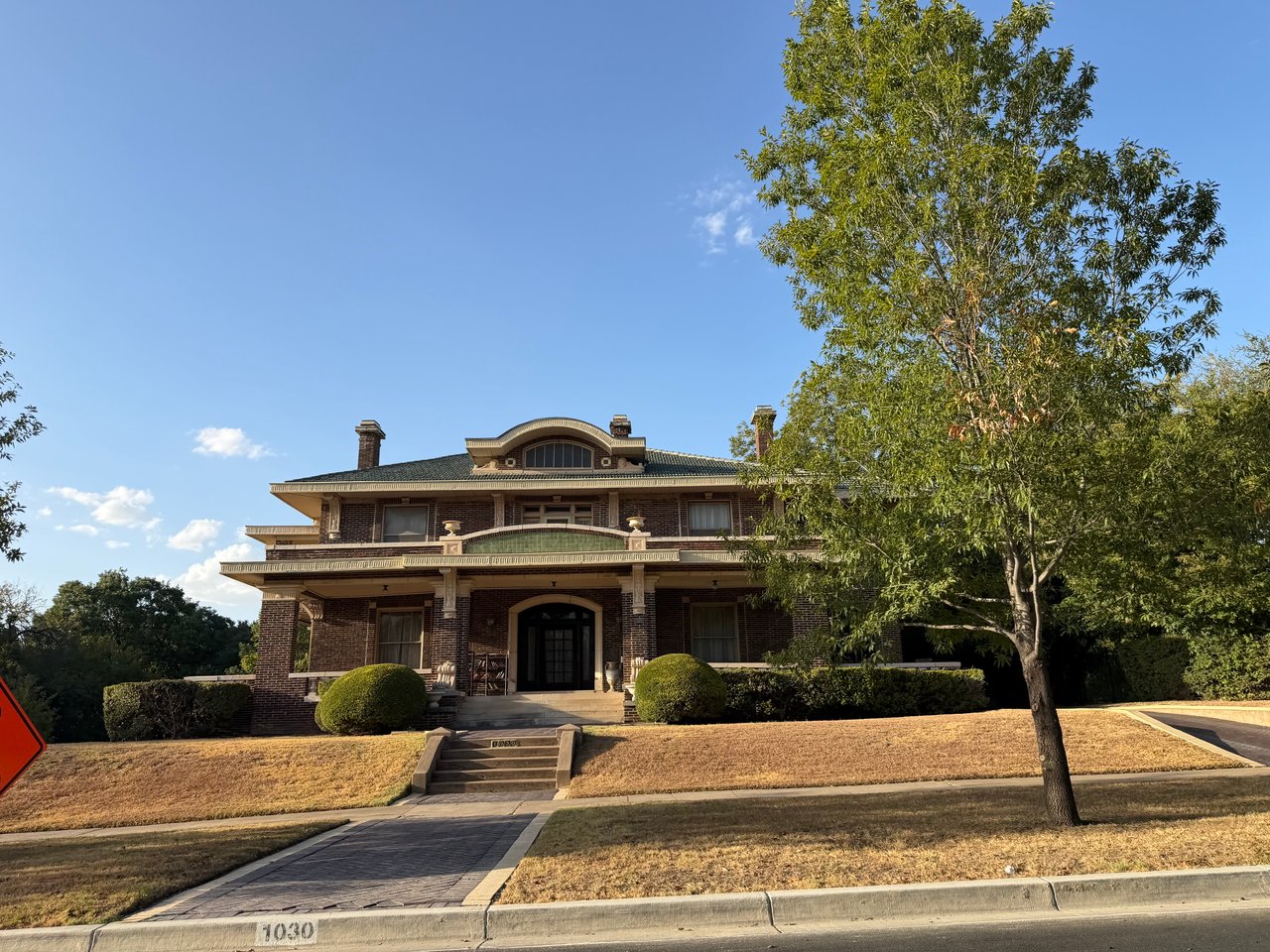
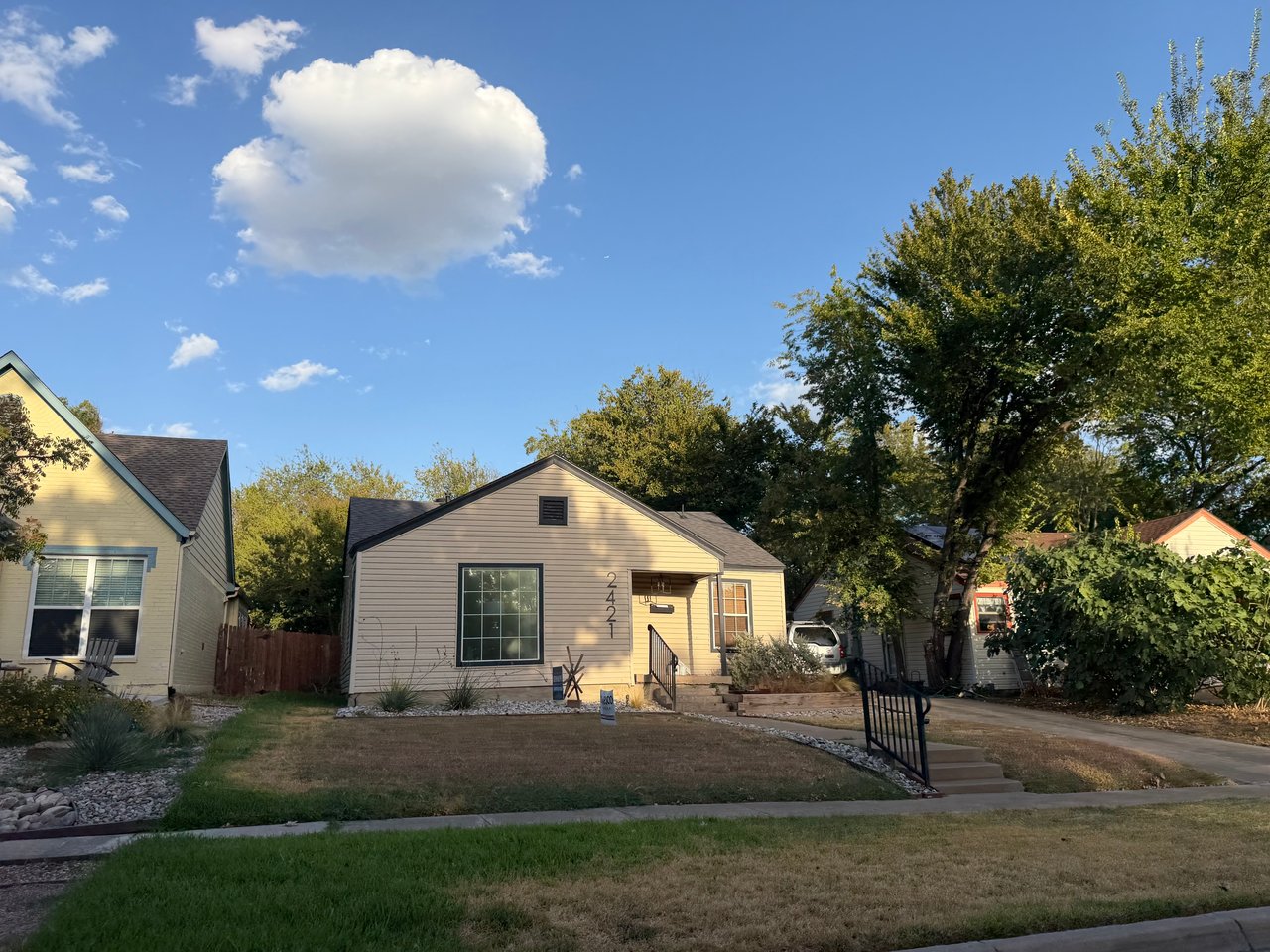
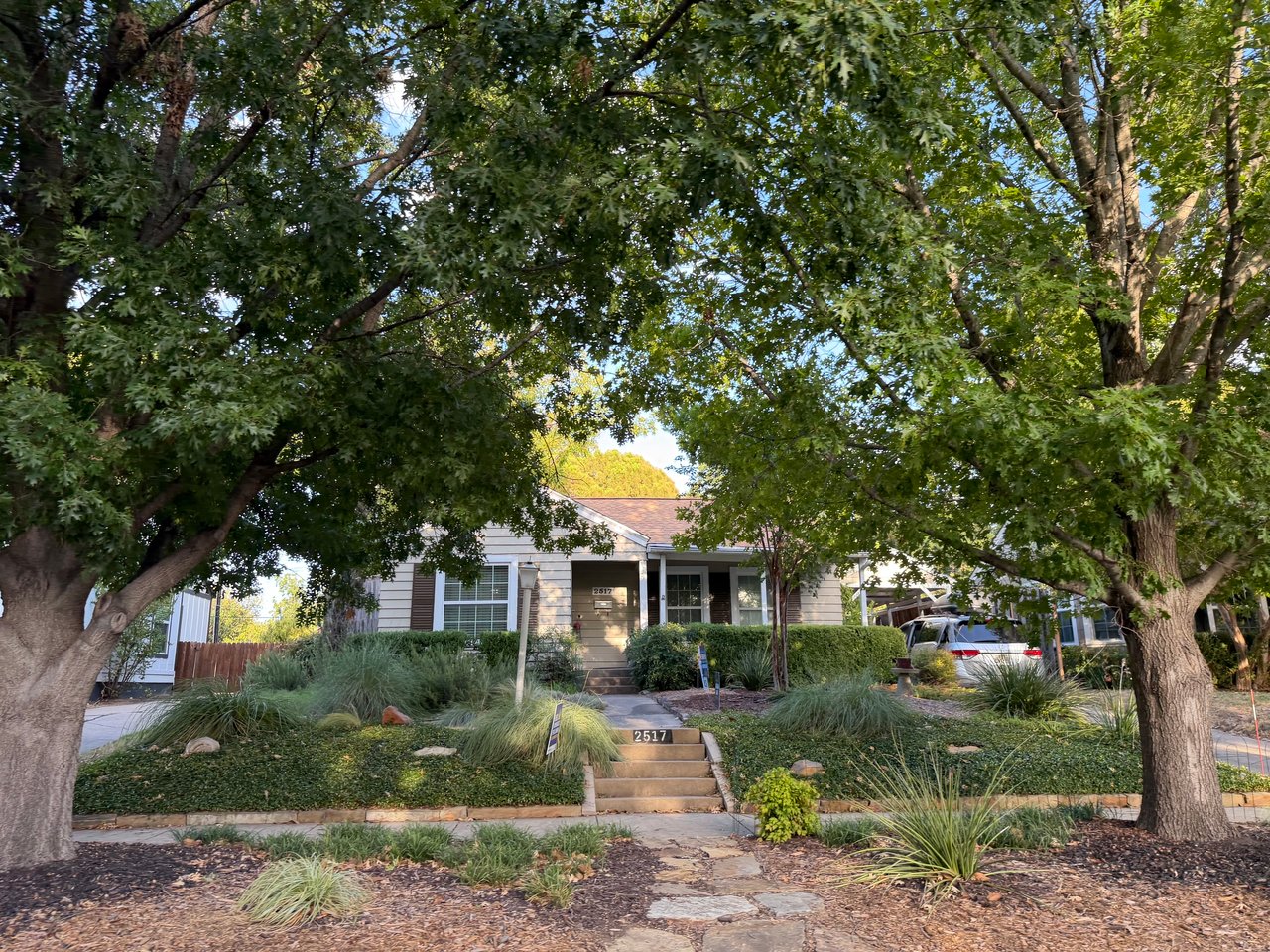
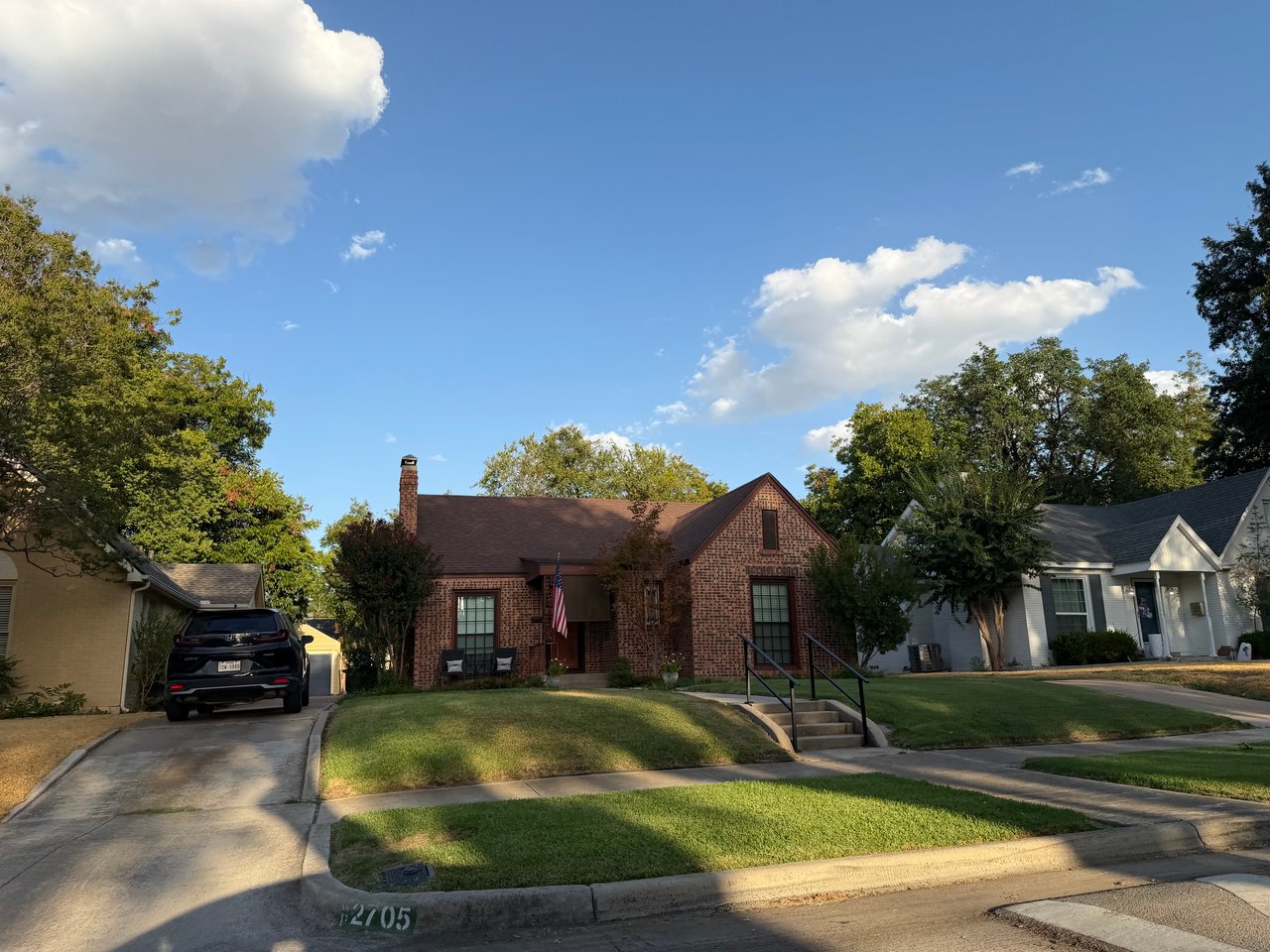
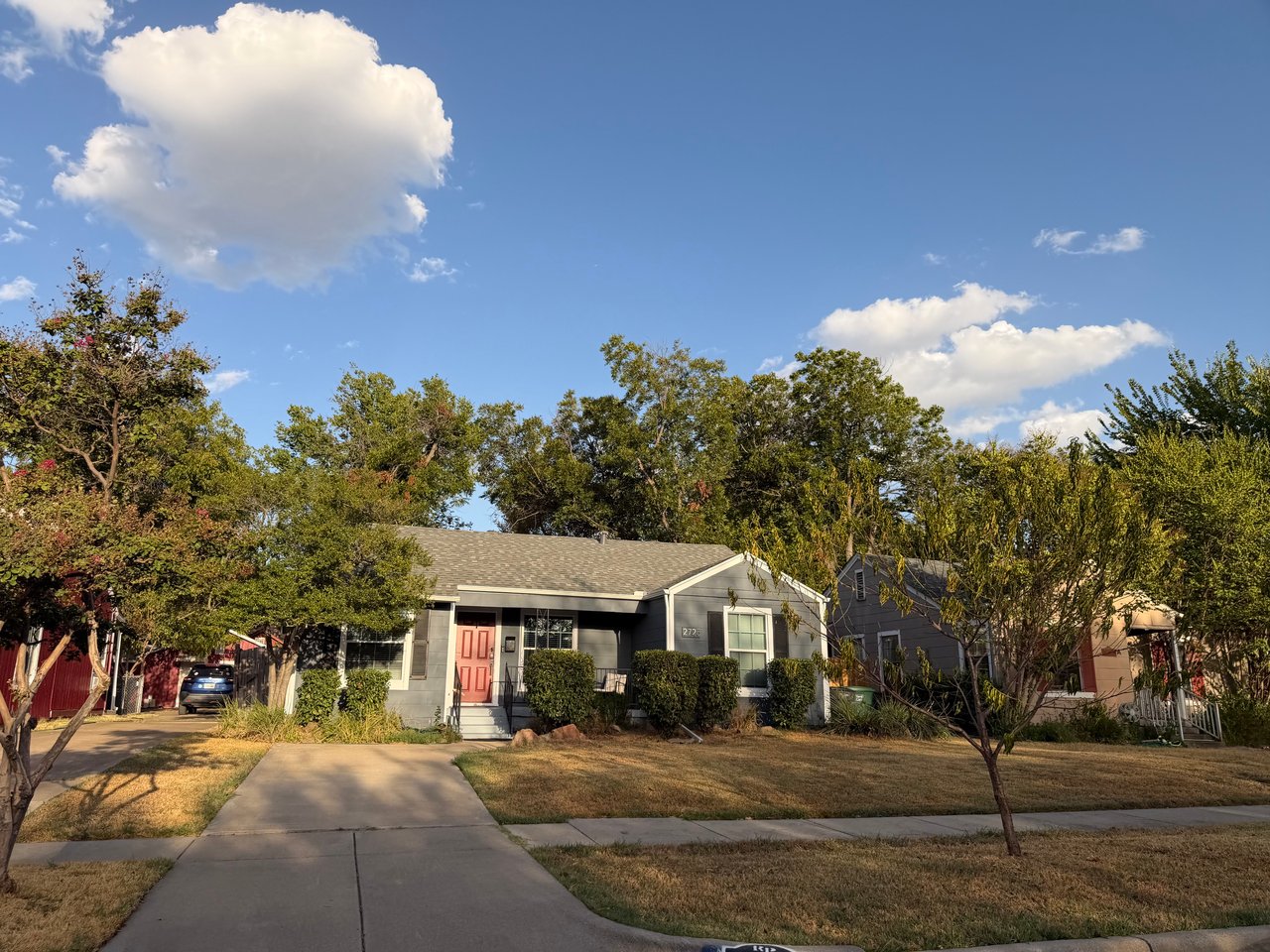
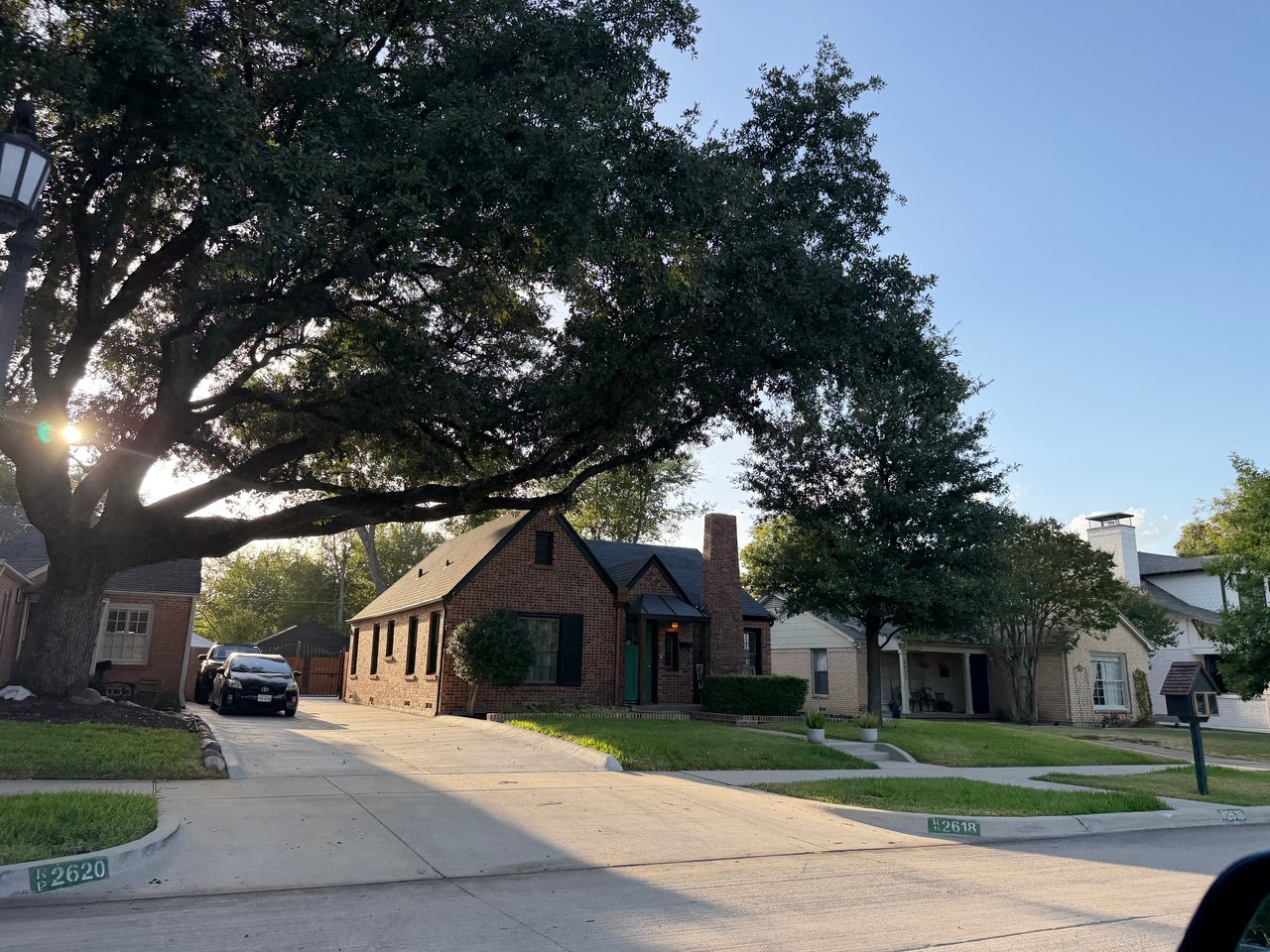
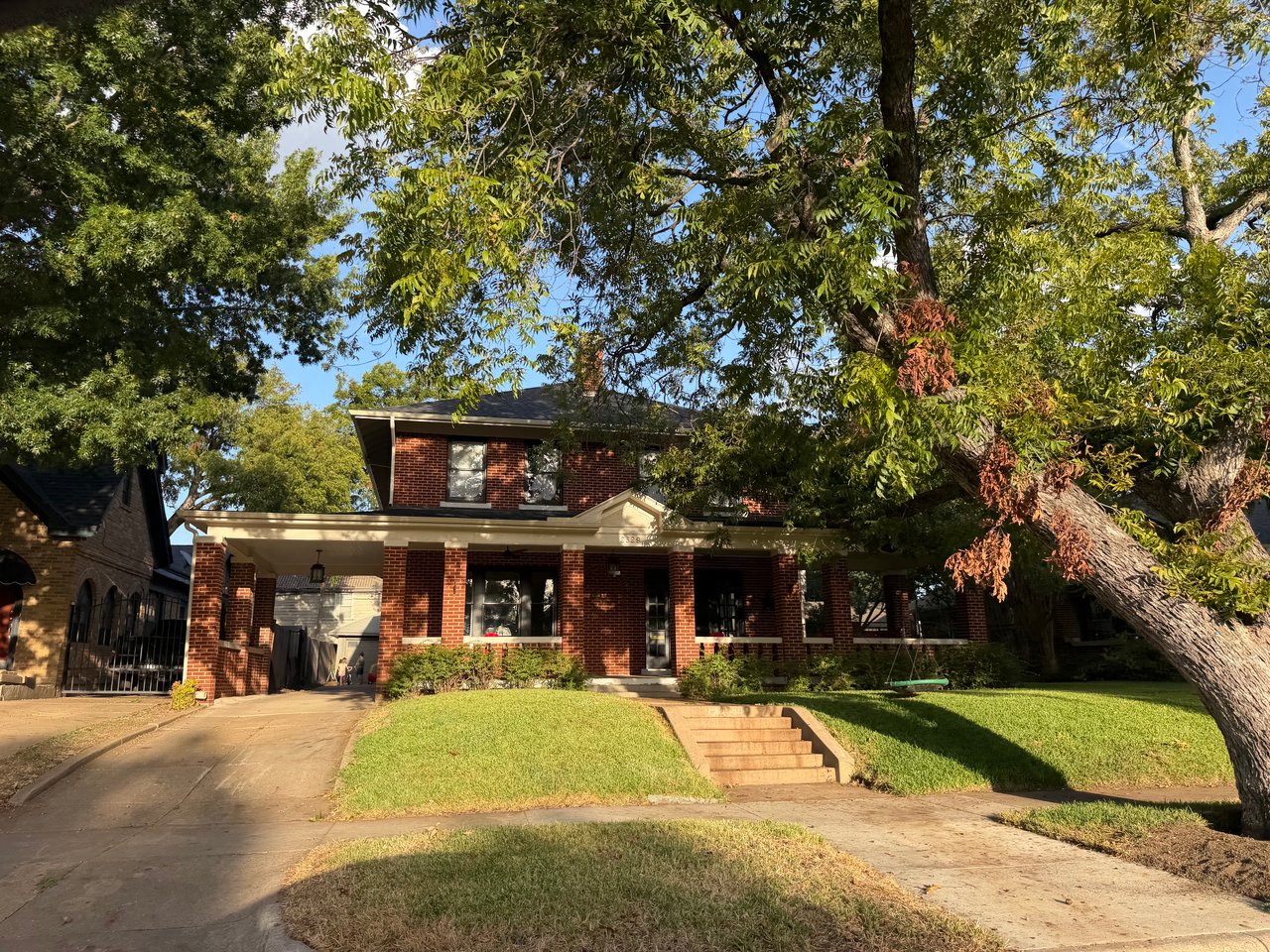
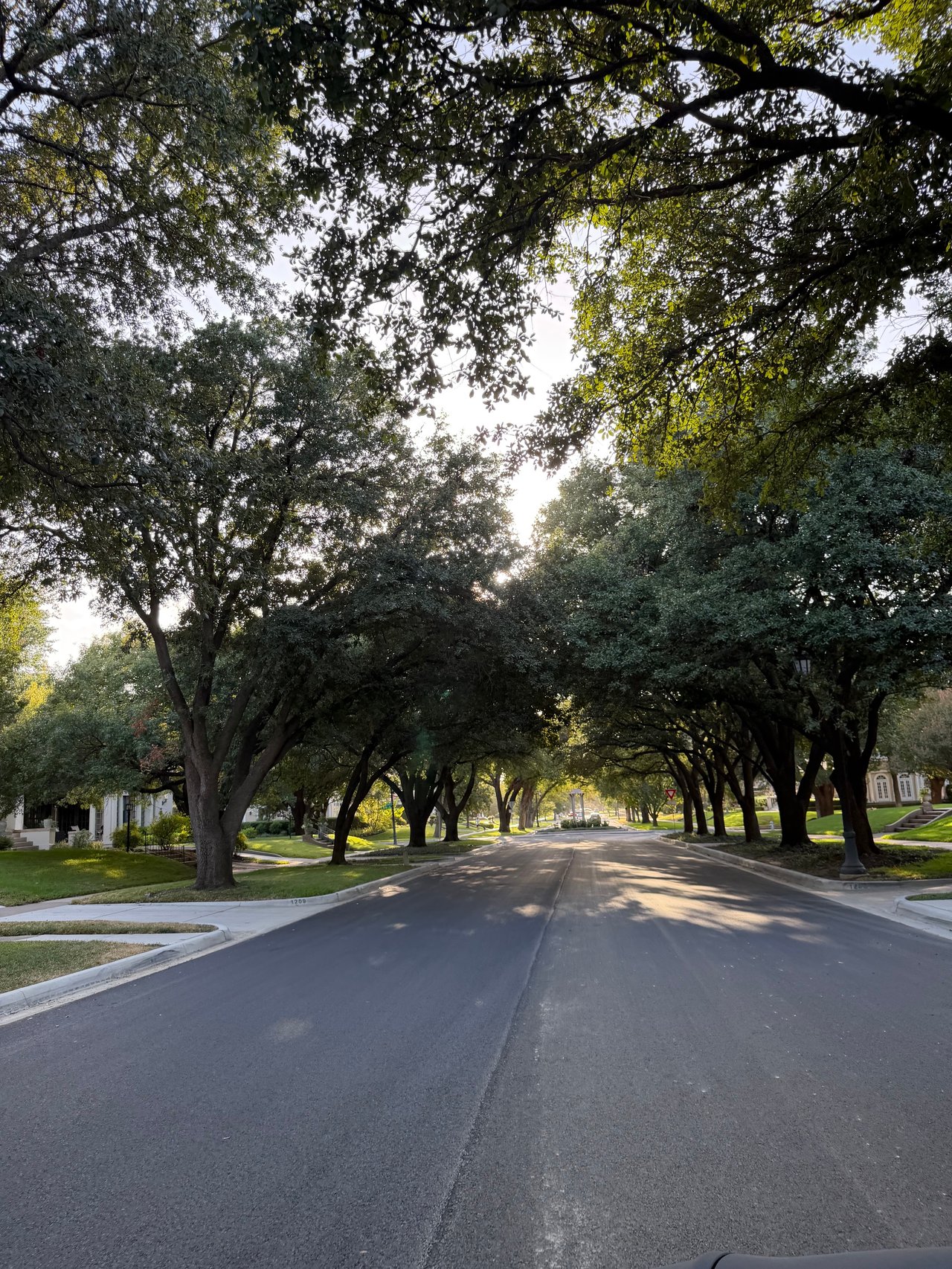
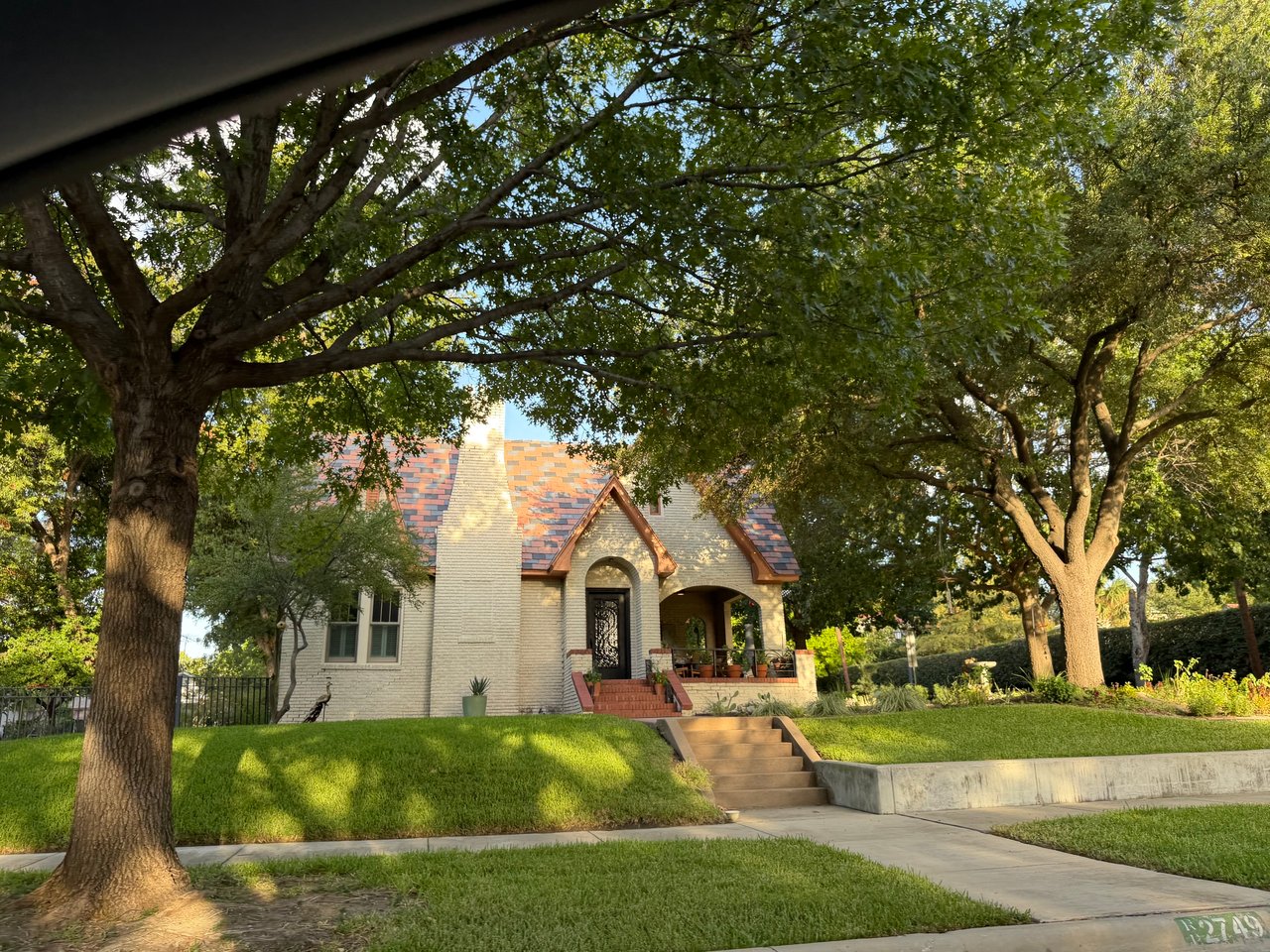
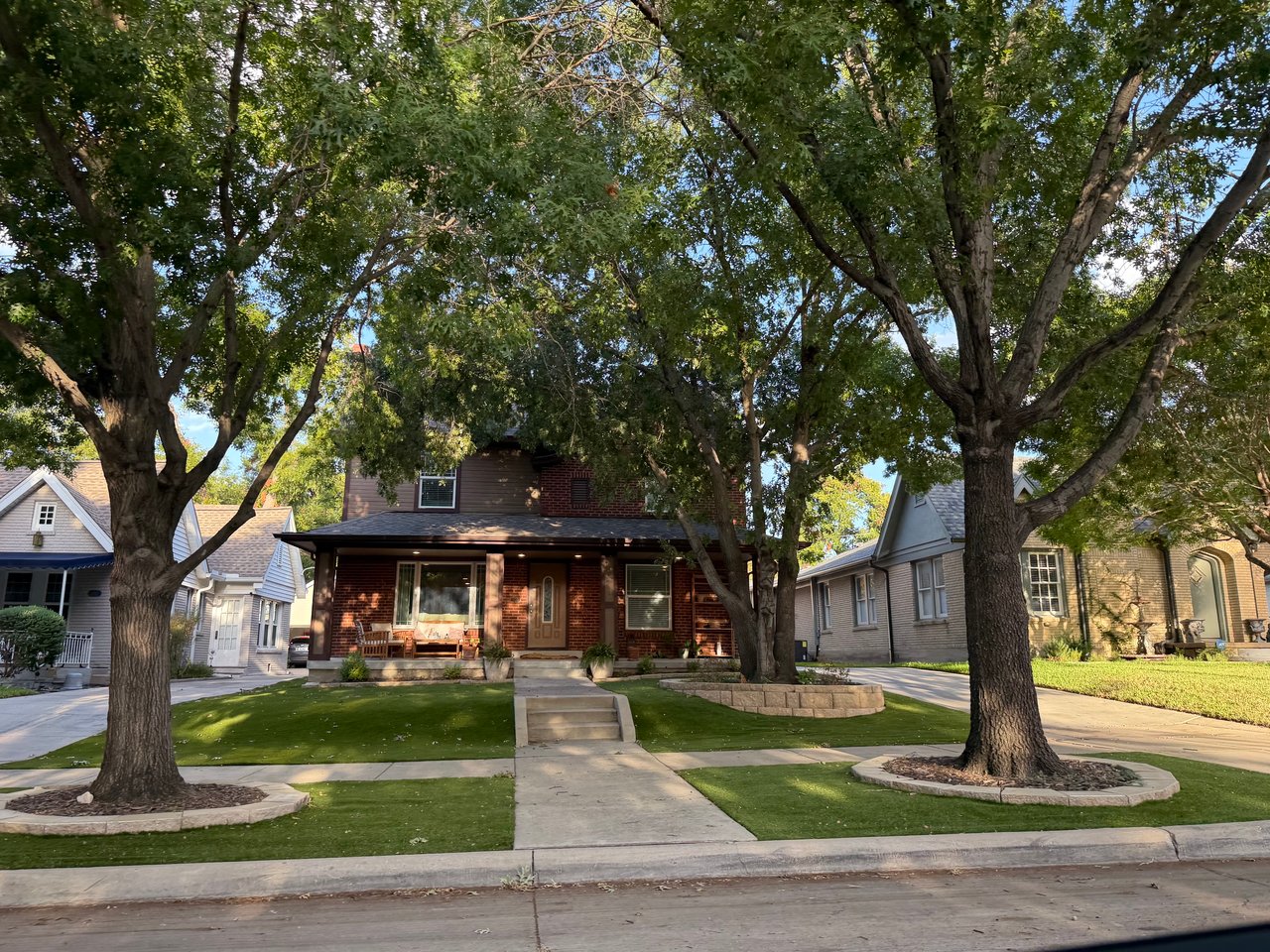
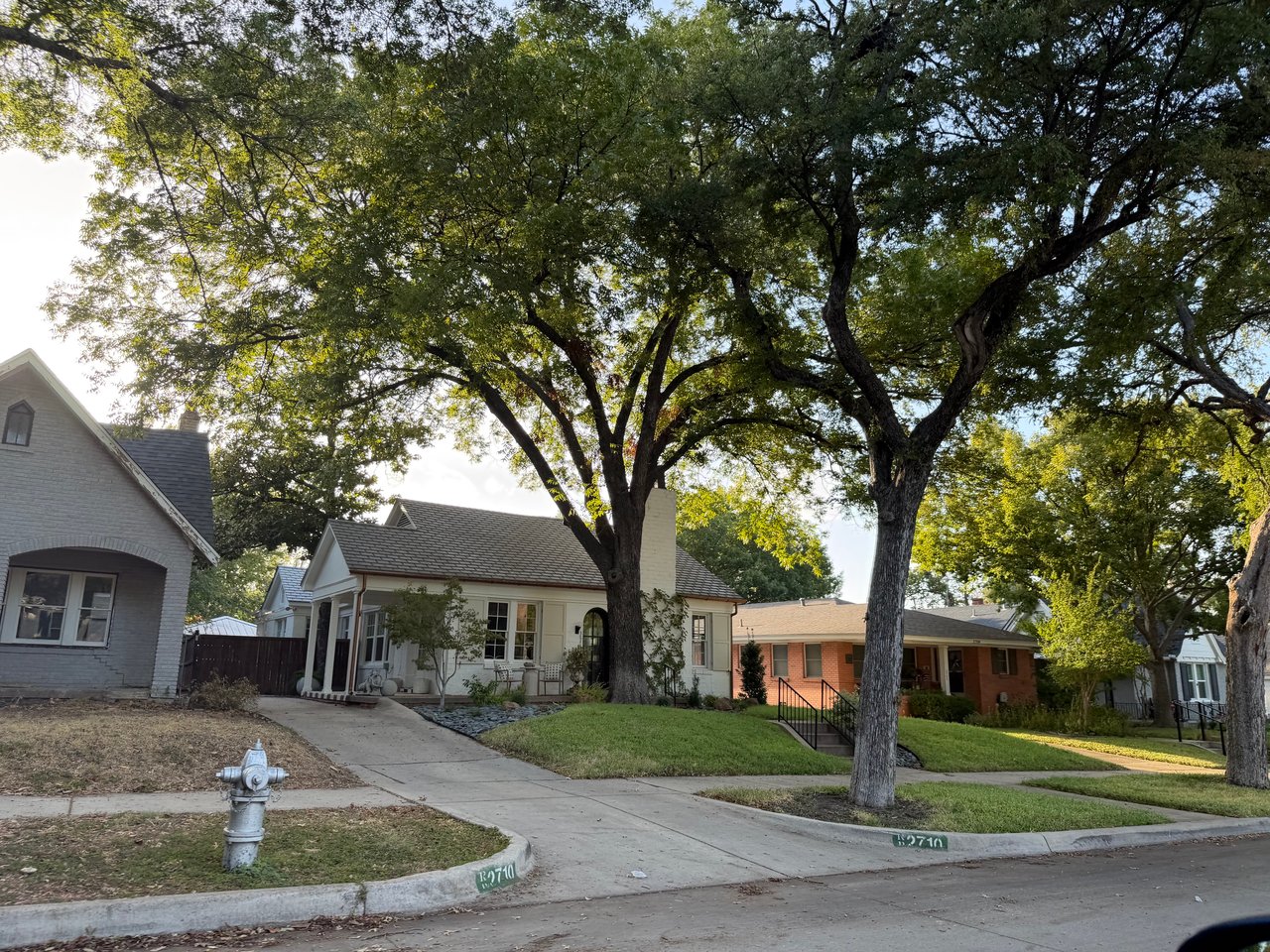
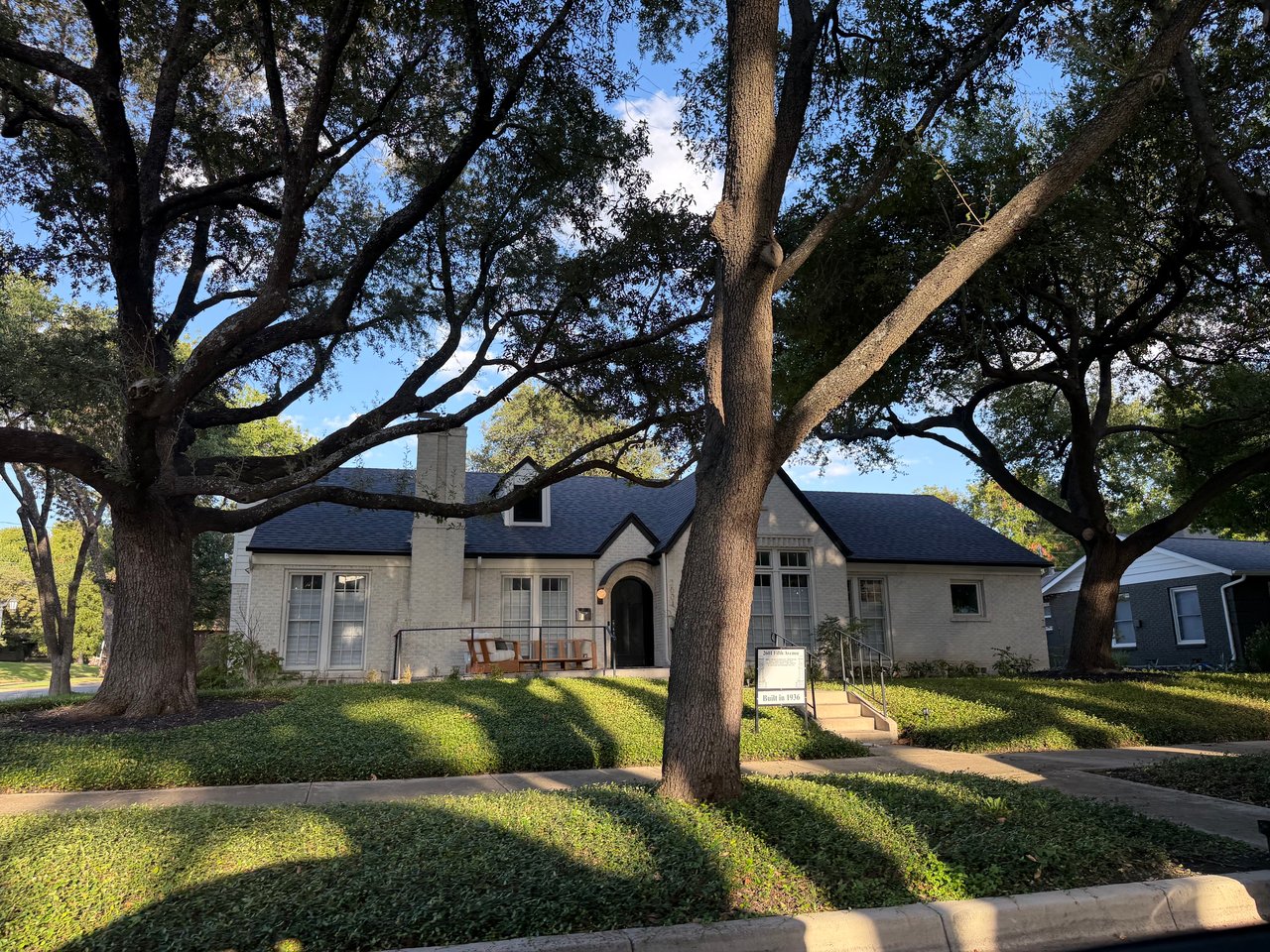
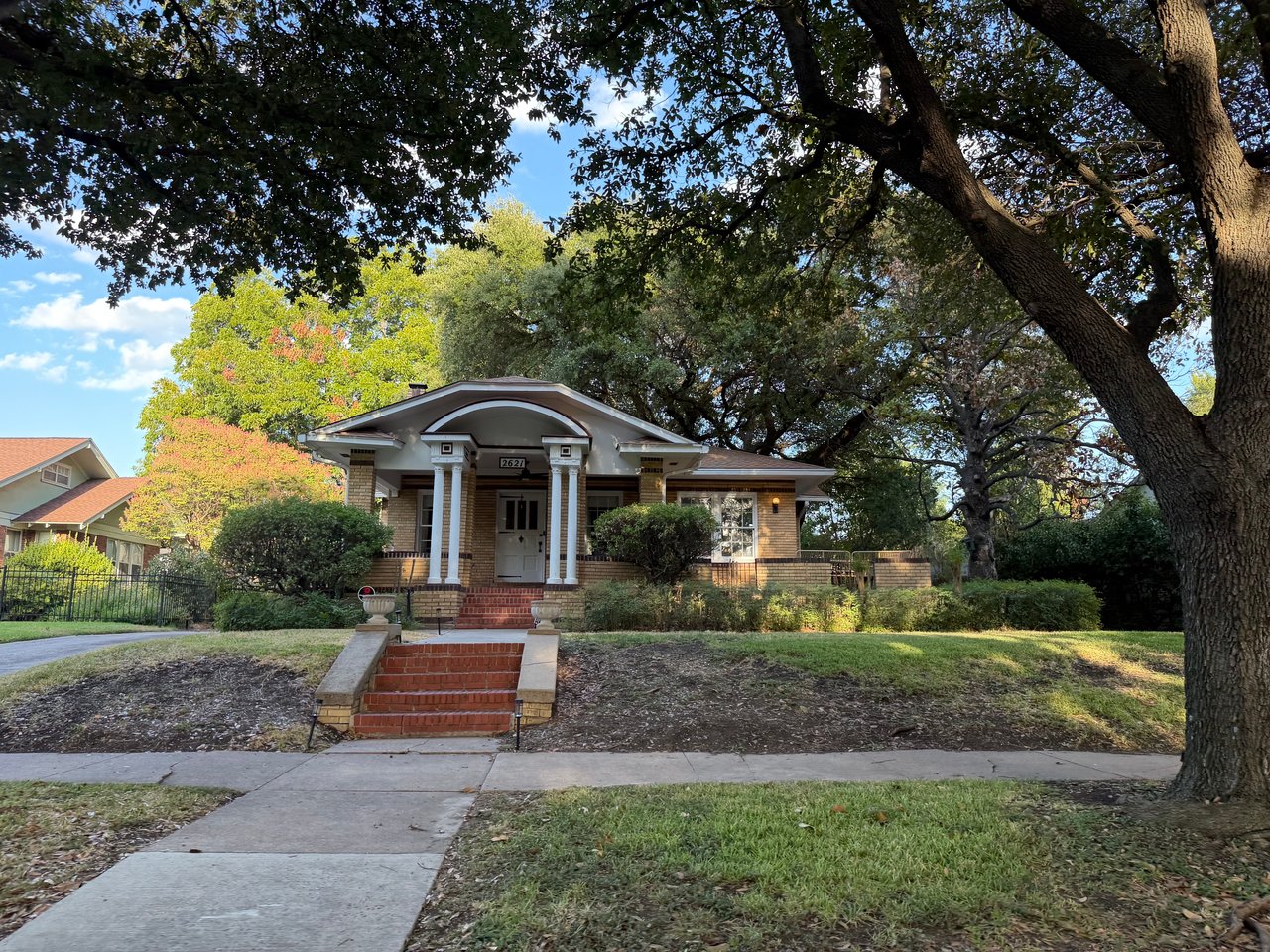
Ryan Place is one of Fort Worth's original streetcar-era neighborhoods, platted just south of downtown and built out mostly between 1912 and the 1940s. Brick-and-tile bungalows, Tudors, Colonial Revivals and Craftsman homes under a mature tree canopy, with Elizabeth Boulevard running through the north end — a street of 1910s mansions on large lots that has been on the National Register of Historic Places since 1979.
It's walkable to the Magnolia corridor and the Near Southside restaurants, minutes from the medical district and downtown, and it is one of the few Fort Worth neighborhoods where you can buy a genuinely historic house and still be at work in ten minutes.
I'm a Fort Worth broker and a Certified Residential Appraiser. I also grew up a few blocks from here, which is most of why this page exists.
I grew up on May Street. We were broke. Two bedrooms, one bath, no garage, siding exterior, no central heat or air, a small kitchen, and the house was in rough shape. North of us was JPS. East of us, the railroad tracks and the grain silos.
I walked to Daggett Elementary, and the route took me past the homes on Elizabeth Boulevard. I remember being a kid and not understanding it — how houses that close to mine could be that much nicer.
I know the answer now, and it has a name. Most of the gap wasn't the house. It was external obsolescence — a loss in value caused by something outside the property line that the owner cannot fix at any price. Rail. Industry. Hospital traffic. Proximity to uses nobody chooses to live next to.
It is the one form of depreciation a homeowner can do absolutely nothing about. You can remodel a kitchen. You can add a bath, replace the roof, restore the windows. You cannot move the grain silos. And the area where my grandmother lived still isn't especially desirable, for exactly the same reasons it wasn't then — the influences never left.
That's not a sad story. It's the single most useful thing I know about buying on the south side, and it's why I'm careful here in a way I'm not everywhere. In this part of Fort Worth, two houses of the same age, size and condition can be worth wildly different amounts because of what's three blocks away. An appraiser is trained to measure that. Most pricing advice ignores it entirely.
Before any number on this page is useful, you have to know what's being counted.
Search Ryan Place and you'll pull three separate subdivision names: Ryan Place Addition, Ryan South (John C.) Addition, and a handful under Page R M Addition. They do not describe the same market, and Ryan South in particular extends well south of West Berry — into a corridor I would not call Ryan Place at all.
I separated them. Here is what two years of closed sales, through September 2026, actually look like:
South of Berry closes at 41% of the Ryan Place median. Same subdivision name in the MLS field. Different neighborhood, different housing stock, different buyer.
Which means every automated valuation that pulls “Ryan South” comps is averaging across Berry Street. If you own north of Berry, your Zestimate has been quietly dragged down by a corridor your house has nothing in common with. If you're listing south of it, the reverse — and that's the listing that sits.
As for Page R M Addition: over two years it produced eight listings, but those eight listings are two houses. One on Lipscomb came to market five separate times; one on Alston twice. There is no market there to analyze, and I'm not going to pretend otherwise. It's a handful of properties on the eastern edge, and they should be valued individually.
Folding Elizabeth into a Ryan Place average is the biggest mistake you can make with this neighborhood's data.
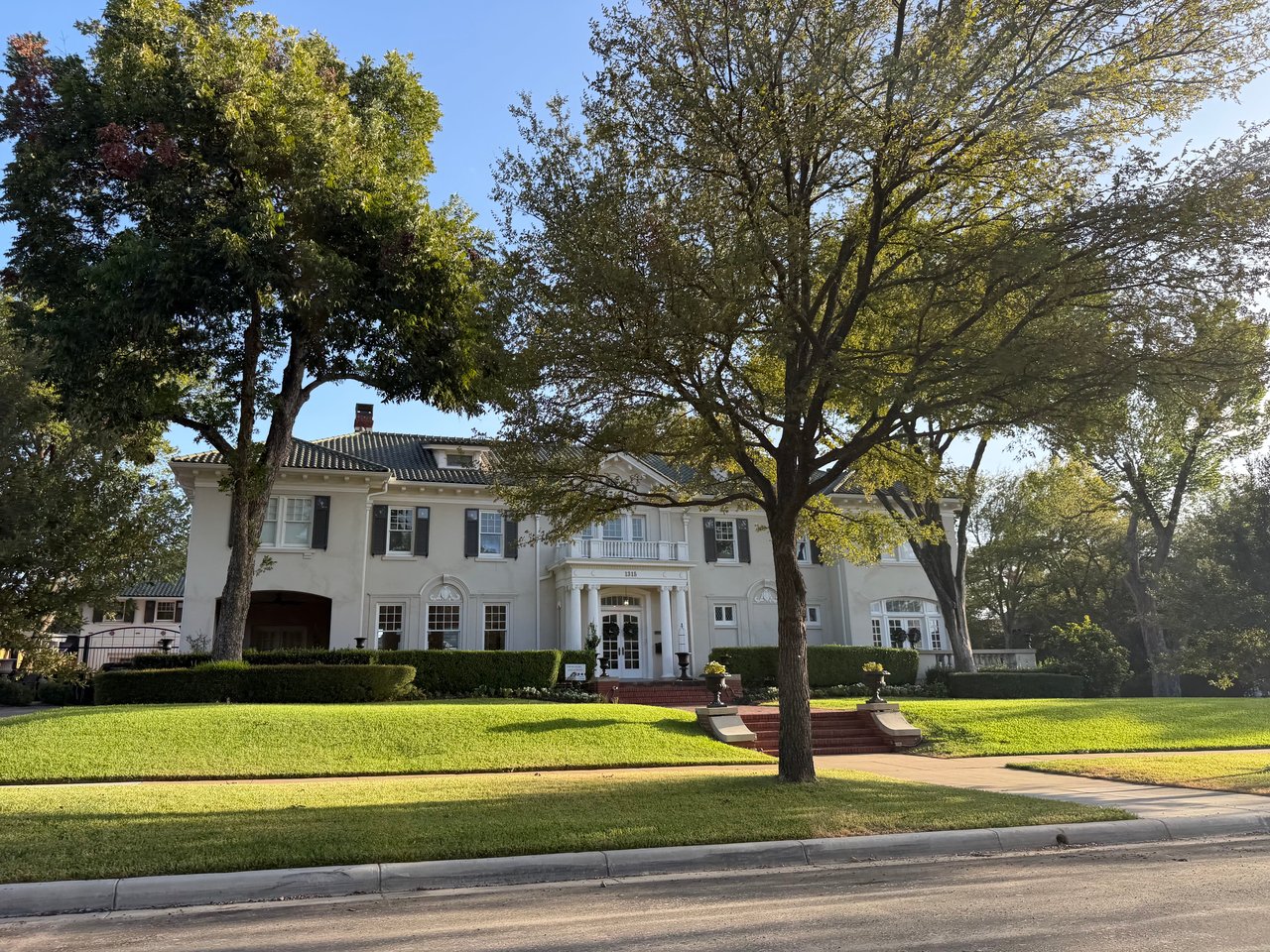
These are historic mansions, most built between 1912 and 1921, on lots that run from about 8,800 square feet to 35,000. The rest of Ryan Place has a median lot around 8,100 square feet and nothing above 14,000. That is a different product on a different scale of land, and the National Register district listed in 1979 covers only the 1001–1616 blocks of Elizabeth itself.
Over two years, the substantial homes there closed between roughly $910,000 and $1.6 million, at $277 to $372 per square foot.
Two things stand out, and both matter if you own one.
There is a visible ceiling. The properties asking $2.5 million and above have not traded. One cancelled after four months. Another has been on the market more than two hundred days. Meanwhile a home priced in the $1.6 million range went under contract in nine days. That's a thin market with a clear boundary, and with only two or three meaningful sales a year, the pricing decision has very little margin.
The premium is land and size, not rate. Elizabeth homes closed at a median near $960,000 against $542,500 for the rest of Ryan Place — but only $293 a foot against $283. Nearly double the price, three percent more per foot. You are buying more house and more ground, not a higher unit value. If someone quotes you an Elizabeth Boulevard price per foot as a comparable for a house elsewhere in Ryan Place, they've misunderstood what they're looking at.
One more caution, because it's instructive: a small 1950s two-bedroom on Elizabeth closed for $347,000 in the same period. The street name is not the asset. The lot, the era and the house are.
Ryan Place is the fastest market I've analyzed in Fort Worth. Median 18 days, with 51% of sales closing in three weeks or less, at 96.6% of original list price.
And yet 27 of 77 listings over two years came off the market without selling. Thirty-five percent, cancelled, expired or withdrawn.
Those two facts sit oddly together until you look at what each group was asking. The listings that came off sat a median of 104 days first — and they were asking a median of $299 per square foot against a $284 clearing price.
Roughly five percent apart. That's an observation about where the two groups started, not a verdict on why one traded and the other didn't.
What I can say is that there is very little middle ground here. Homes that come to market at the clearing level tend to have a contract before the second weekend. The ones that don't rarely get talked down — the phone simply stays quiet, and after a few months the owner takes the house off. In a neighborhood where people have owned for decades and hold substantial equity, that is a choice available to them: when the number doesn't come, they'd rather stay than chase it. The market is fast. It just doesn't counter.
An appraiser's note that runs opposite to most of Fort Worth.
In Ryan Place, price per square foot is essentially flat across house size — roughly $276, $285, $269 and $302 across four size bands, with a correlation to size of 0.09. Effectively none.
That is unusual. In most subdivisions the per-foot figure falls as homes get larger, because a kitchen and a roof and a foundation don't scale with square footage — I showed a Fort Worth subdivision where that slope ran from $239 down to $175 in two agents, two prices. In Walsh the slope flattens because the homesite grows with the house. In Montrachet it inverts entirely, because land dominates value.
Ryan Place is flat for its own reason: the larger homes here are also the older, more architecturally significant ones on bigger lots. Size, quality and land move together, and they cancel the usual slope.
The practical consequence is the same everywhere — a per-foot average across the neighborhood tells you very little about a specific house, and in Ryan Place it will mislead you in both directions at once if Elizabeth Boulevard is in the pool.
Worth being straight about market conditions, including where the data runs out. Ryan Place has 70 closed sales over two years, and controlling for house size the per-foot figure comes out at −3.1% a year — but at p = 0.59. That is noise, not a trend. With two years of a small historic district's sales, the honest answer is that the market here is flat and the data can't say more than that.
The wider view is firmer. Measured across eighteen Fort Worth neighborhoods, not one shows a statistically significant decline in price per square foot. Values have held; what changed since 2022 is that homes take longer and more listings come off the market without selling. In a district where owners have restored the houses themselves and carry decades of equity, taking a house off is a real option rather than a failure.
The combined 2025 rate here is about 2.19%: Fort Worth ISD at 1.0291, City of Fort Worth 0.67, Tarrant County 0.1862, Tarrant County Hospital District 0.165, Tarrant County College District 0.11228, and Tarrant Regional Water District 0.0265.
No PID and no MUD. This is an old, fully built neighborhood — the infrastructure was paid for generations ago, which is one quiet advantage of buying in a place that's already finished. I've written more about what Fort Worth's growth has done to tax bills generally.
On historic designation: Elizabeth Boulevard's National Register listing is honorific — it does not control what you do to your house. That's different from Fairmount next door, which carries a local City of Fort Worth historic district overlay requiring a Certificate of Appropriateness for exterior work. I could not find a local overlay covering Ryan Place, but designations change and boundaries are specific. Verify with the city's preservation office for any particular address before you plan a renovation — the difference between the two is months of timeline and real money.
Pre-war homes reward inspection more than almost anything else on the market.
The good news first, because it's the larger part of the picture: homes here that are positioned where the market is go in about eighteen days at 96.6% of original list, with 51% of sales closing in three weeks or less. That hasn't changed.
What works: comparables from your actual segment — not Elizabeth Boulevard if you're not on it, not south of Berry, not Page R M — an honest accounting of external influences, and a price set near the clearing level on day one. The first two weekends are the entire negotiation.
What to expect from the alternative: this market doesn't counter. A number above the clearing level tends to meet silence rather than a low offer, and over two years twenty-seven listings came off the market instead. That is a real outcome, and for an owner with equity and no deadline it may well be the right one — but it's worth choosing on purpose.
I hold a Texas broker's license and a Certified Residential Appraiser certification. On the south side that combination matters more than it does almost anywhere else in Fort Worth, because so much of the value here sits in things that aren't the house — the lot, the block, the era, the street, and what's operating three blocks over.
And I've been looking at this neighborhood a long time. I walked past those Elizabeth Boulevard houses as a kid on the way to Daggett, wondering what made them different. Working out the answer became my career.
If you're thinking about buying or selling here, that's the conversation I'd like to have.
Call or text (682) 207-4310, or send me a note.
Sales figures are medians from NTREIS listings and closed sales for the two years ending September 2026, reported in aggregate. Tax rates, historic designations and district boundaries change — confirm current figures and requirements for a specific property before relying on them.


Whether buying or selling, get property-specific guidance from a Fort Worth broker and Certified Residential Appraiser.


