Don't Pull Your Listing for Two Weeks
Seller Resources
Seller Resources
A seller called me in the spring. Her house had been on the market four months, she'd cut the price twice, and the showings had stopped. Her agent's advice was to pull it, wait two weeks, and put it back up fresh.
Two weeks is exactly wrong, and I can show you why to the day.
I pulled every listing in the Dallas–Fort Worth MLS that failed and came back — 16,465 of them — and measured what happened. There's one number in here that decides whether a relist works, and almost nobody talks about it.
Most buyers looking at your listing see two numbers: days on market, and cumulative days on market. The second one is the honest one. It's supposed to follow a property across listings so a house that's been sitting for six months can't disguise itself as new inventory.
Whether it actually follows you depends entirely on how long you stayed off the market.
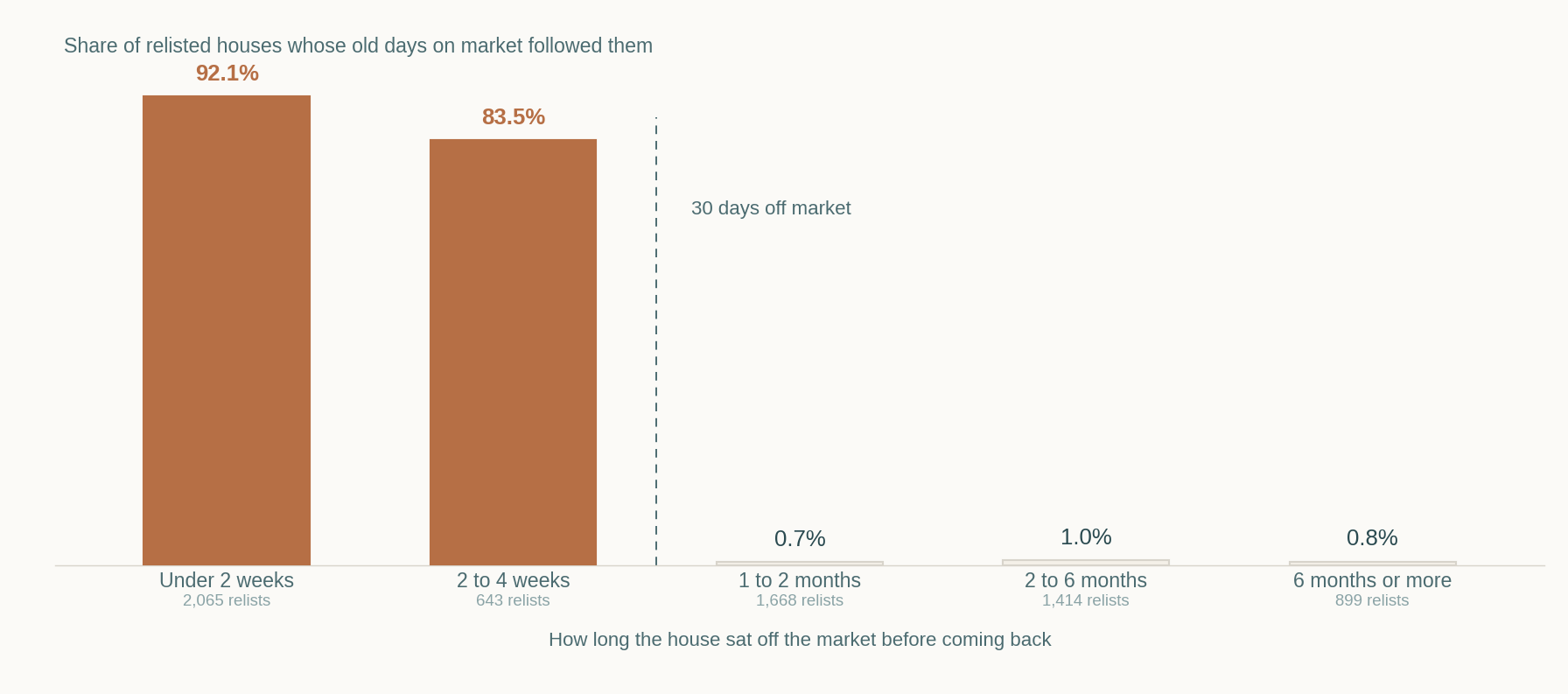
Time off market | Your old days follow you |
Under 2 weeks | 92.1% of the time |
2 to 4 weeks | 83.5% |
1 to 2 months | 0.7% |
2 to 6 months | 1.0% |
6 months or more | 0.8% |
That's not a gradual fade. That's a wall at roughly thirty days.
Come back in two weeks and the typical listing shows 155 cumulative days against 36 on the current listing. Every buyer's agent sees the whole history. You have paid the cost of going dark and received none of the benefit.
Cross thirty days and cumulative days equals current days exactly. The house is new inventory again.
So if you're pulling it, pull it properly. Two weeks is the worst of both worlds: long enough to lose your momentum, short enough that nothing resets.
Here's where the conventional wisdom falls apart in the other direction.
If a reset clock were doing the work, houses that sat out longer would do better. They don't. Not even slightly:
Time off market | Closed at, vs the original ask |
Under 2 weeks | 91.5% |
2 to 6 weeks | 90.9% |
6 weeks to 4 months | 91.8% |
4 to 9 months | 91.3% |
9 months or more | 90.8% |
Flat. Waiting a year gets you no more than waiting a month. The reset is necessary, not sufficient — it buys you a clean look, and then the price has to be right or the clean look does nothing.
Of sellers who relisted and sold, 75.5% cut the price, by a median of 6.3%. And the three groups landed in very different places.
This is the picture at $1 million and up, where the effect is sharpest:
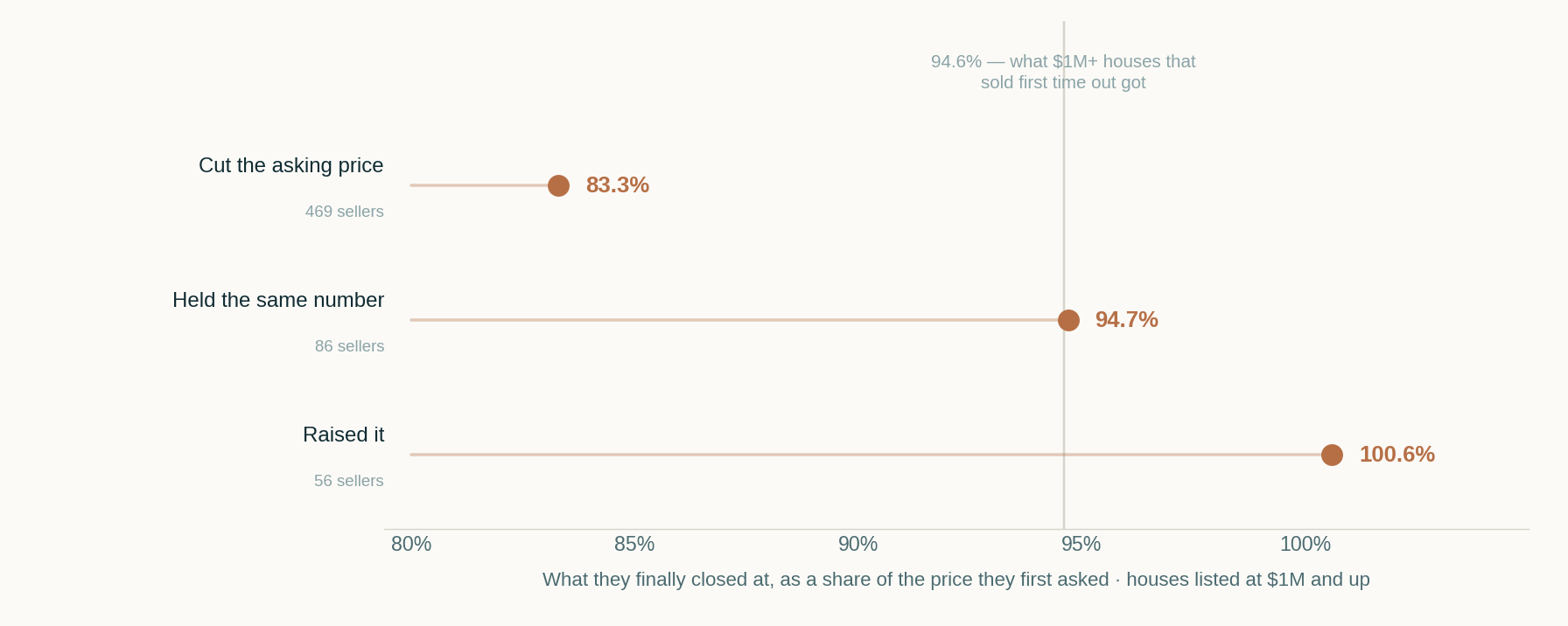
On the relist | Sellers | Got, vs the first ask |
Cut the price | 469 | 83.3% |
Held the same number | 86 | 94.7% |
Raised it | 56 | 100.6% |
Eleven points between cutting and holding. For context, a $1.3 million house that sells first time out typically closes at 94.6% — so the sellers who held their number came back and performed like the house had never failed.
I want to be straight about what this is and isn't. This is not proof that holding your price causes a better outcome. Sellers who can hold are usually the ones whose price was defensible to begin with — the problem was the photography, the timing, the agent, the access, the staging, something other than the number. Sellers who cut are often correcting a price that was wrong from day one, and they'd have cut eventually either way.
But the descriptive fact stands, and it's the opposite of what most sellers are told: a relist is not automatically a discount. Eighty-six sellers above a million dollars came back at the same number and got nearly all of it.
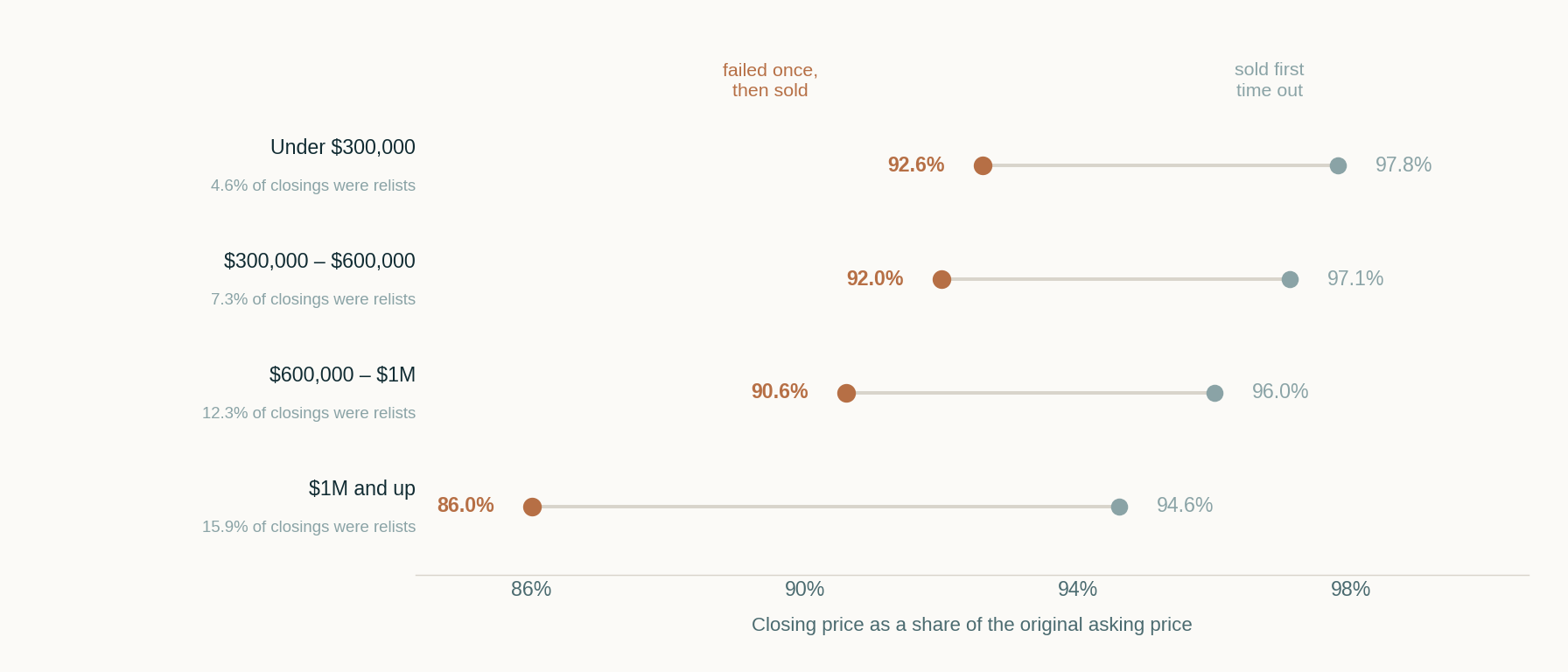
Price level | Failed once, then sold | Sold first time out | Share of closings that were relists |
Under $300,000 | 92.6% | 97.8% | 4.6% |
$300,000 to $600,000 | 92.0% | 97.1% | 7.3% |
$600,000 to $1M | 90.6% | 96.0% | 12.3% |
$1M and up | 86.0% | 94.6% | 15.9% |
Two things jump out.
First, the gap widens as you go up — five points at the bottom, nearly nine at the top. A million-dollar listing that misses gives back roughly $86,000 more than one that doesn't.
Second, at $1M and up, one closing in six was a relist. Above a million this isn't an edge case, it's a normal part of how houses trade. Thin buyer pools, fewer directly comparable sales, and a lot more ways to be wrong about the price.
And the odds aren't kind. Of 26,868 listings that expired or cancelled, 61.3% came back, and only 47.5% of those closed. Net: a failed listing eventually sells about 29% of the time in this window.
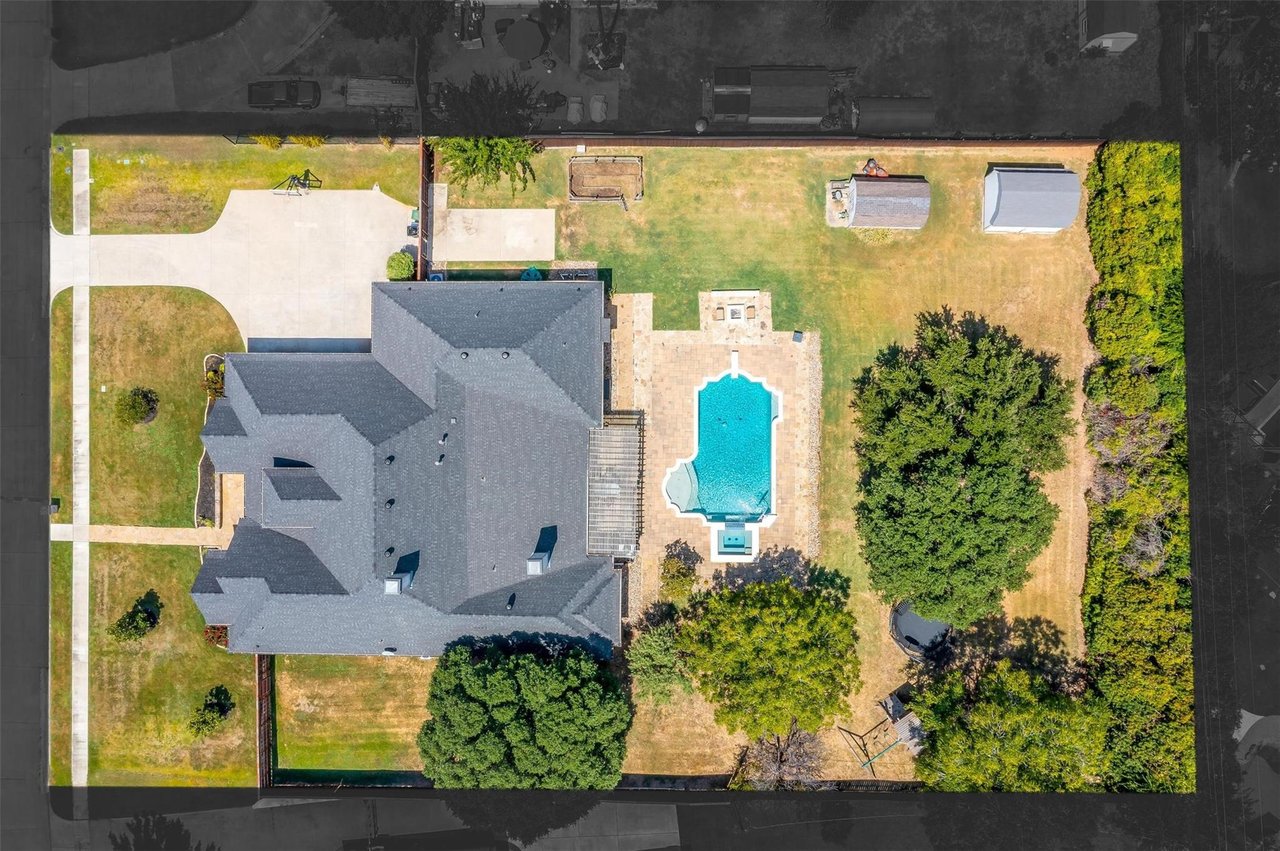
A house I listed in North Richland Hills on Red Rose Trail — 0.875 acres in a pocket where most lots run about a fifth of that — went up at $1,300,000 and didn't sell. We cancelled it at 31 days.
It sat off market 114 days. Well past the cliff.
We brought it back at the same $1,300,000. It showed 7 cumulative days — completely clean — and went under contract in a week, closing at $1,232,643.
That's 94.8% of the original ask. The median for sellers above a million who held their number is 94.7%. We landed within a tenth of a point of exactly what the data says that play is worth, and it remains one of the highest recorded sales in North Richland Hills.
There's a third path, and it's the reason my listing on Dolce Vita Drive in west Fort Worth isn't in any of the numbers above.
It went up at $1,550,000 with owned solar, battery storage and a pool, sat 77 days, and we cancelled it. It came back the following year as a Compass Private Exclusive — marketed off the MLS — and sold at the original $1,550,000.
Which means it does not appear in the closed-sales database at all. Not in my analysis, not in your neighbor's market report, not in the automated valuation on a listing portal. The sale happened; the record didn't.
That cuts both ways, and sellers should hear both.
Under current rules there are three ways to sell. NAR kept the Clear Cooperation Policy and added a framework called Multiple Listing Options for Sellers, effective March 2025:
The policy requires the seller to direct the exempt option and to sign a certification acknowledging the exposure they're giving up. That requirement exists because the tradeoff is real. Fewer buyers see your house. I cannot tell you $1,550,000 was the ceiling on Dolce Vita, and neither can anyone else, because the competitive test never ran in public.
What it does solve is a specific problem: a property whose public listing has gone stale and whose seller does not want a price-cut narrative attached to it. For that problem it's the right tool. For a $400,000 house in a subdivision with forty comparable sales a year, it usually isn't — you want every buyer in the county looking at it.
MLS rules on this change, and local implementation varies. Confirm the current North Texas rules with your agent before you plan around them.
Don't pull it for two weeks. That's the single clearest finding here. Either stay on and fix the problem, or go dark for a full month and change something real.
Work out whether it's the price or the presentation. If you've had steady showings and no offers, it's the price. If you've had no showings at all, it's the photography, the syndication, the access rules or the first line of the description — and cutting the price won't fix any of those.
Don't cut twice. Two small cuts tell buyers a third is coming, and they wait for it. The data is unkind to serial cutters: median 83.3% of the original ask above a million.
Above a million, treat a failed listing as expensive. Nearly nine points is the average cost, and a sixth of the closings up there have been through it.
And ask about all three listing options before you sign anything. Most sellers are shown one.
I'm a Texas broker and a Certified Residential Appraiser, which is an unusual pair for this particular problem. The appraisal side is how I know what your house should have sold for. The brokerage side is how we get it there — including, when it fits, off the MLS entirely.
If your listing expired, or you're about to list and want to make sure it doesn't, call or text (682) 207-4310, or send me a note.
Based on NTREIS listing records across Dallas–Fort Worth, 2023 through September 2026 — 123,281 single-family listings, of which 26,868 expired, cancelled or were withdrawn and 16,465 were later relisted at the same address. "Failed once, then sold" compares the eventual closing price against the original asking price on the first listing; it is a description of what happened, not evidence that relisting causes a lower price, since listings that fail are selected on having failed. Days-on-market behaviour reflects how listings were entered and may vary with how an agent re-enters a property. The Dolce Vita closing price is the transaction price as I know it; because that sale was off-MLS it does not appear in the data above and cannot be independently verified from MLS records. Nothing here is an appraisal or a valuation of any particular property.
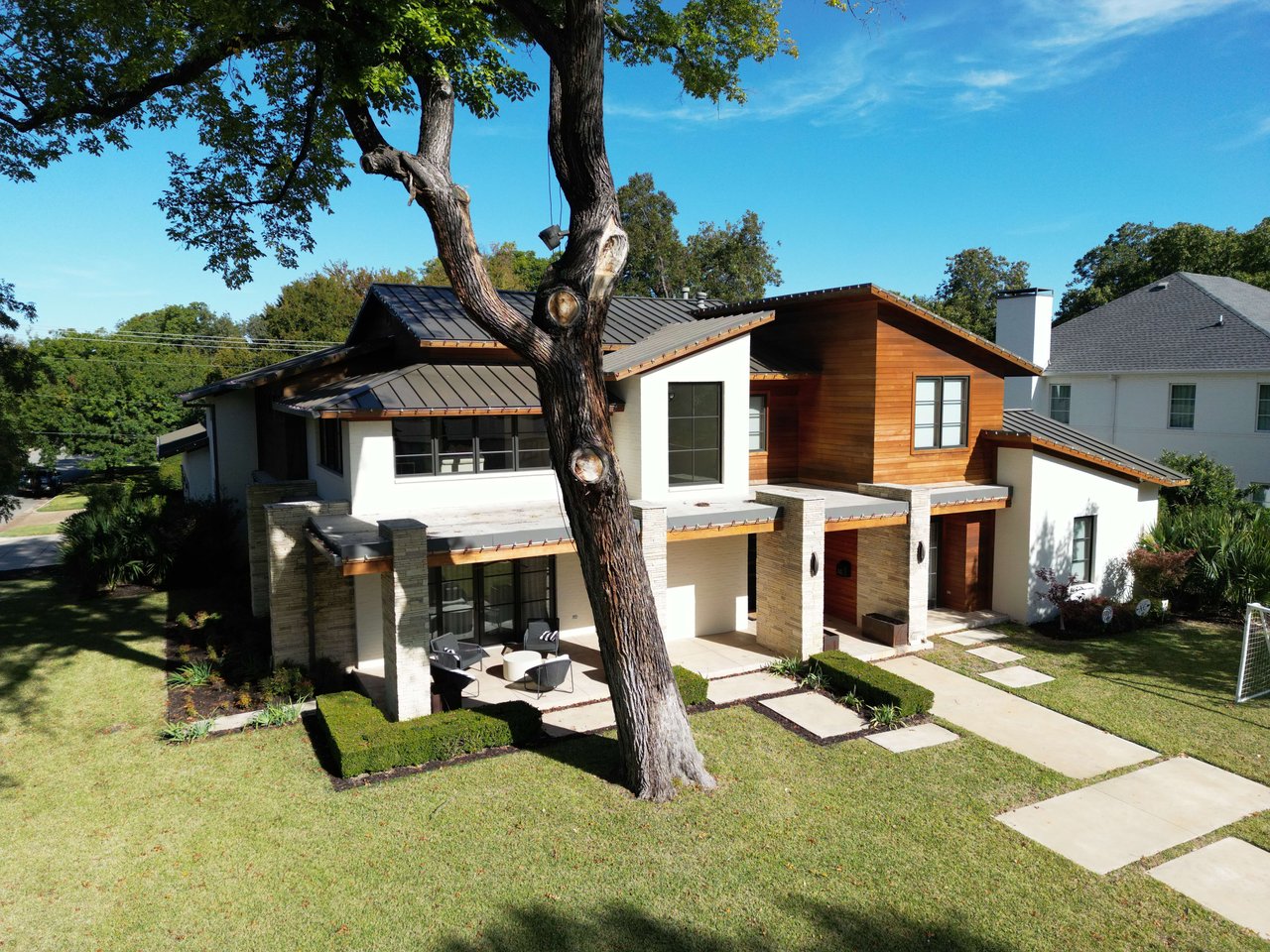 Tanglewood
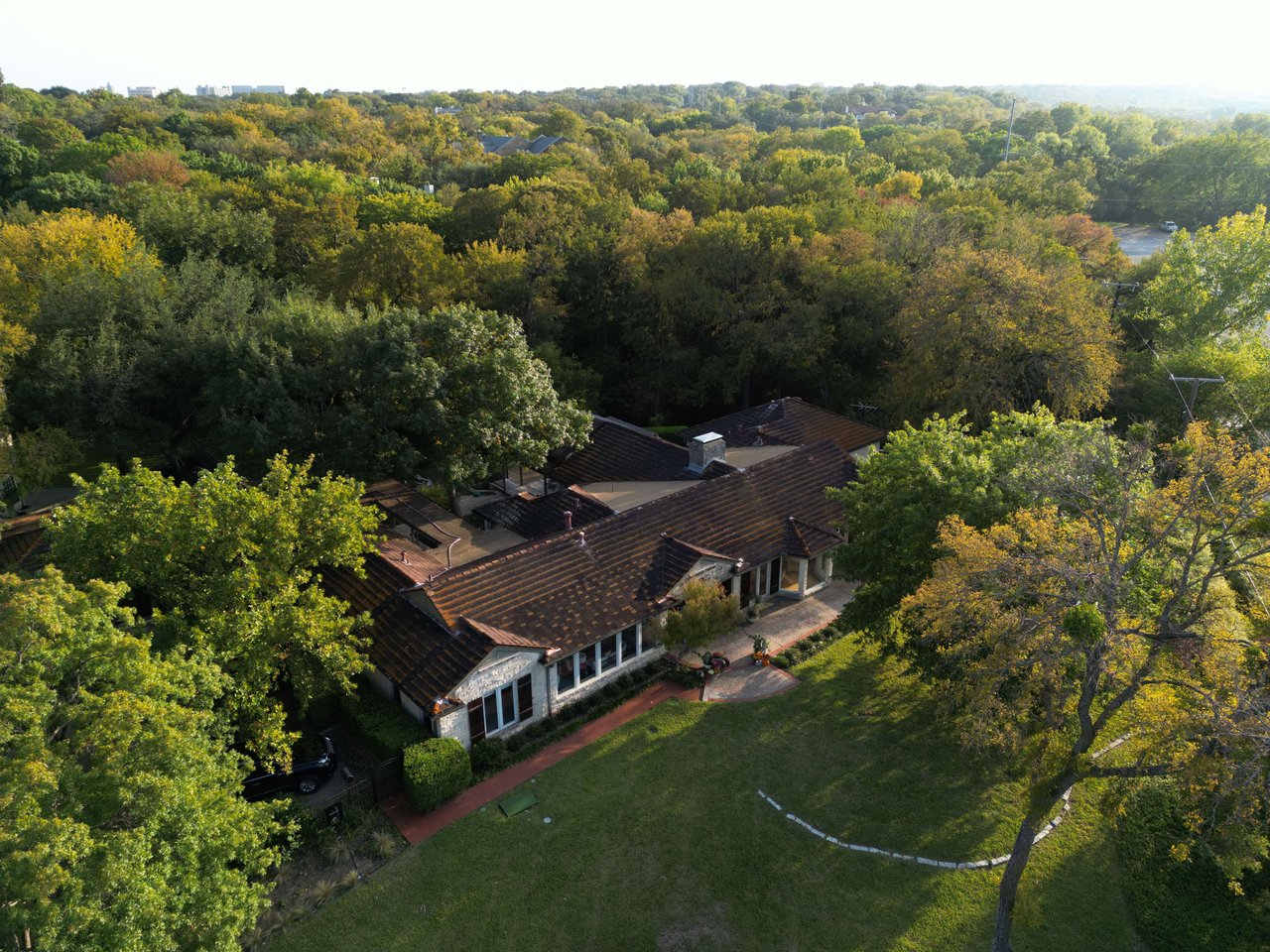 Crestwood
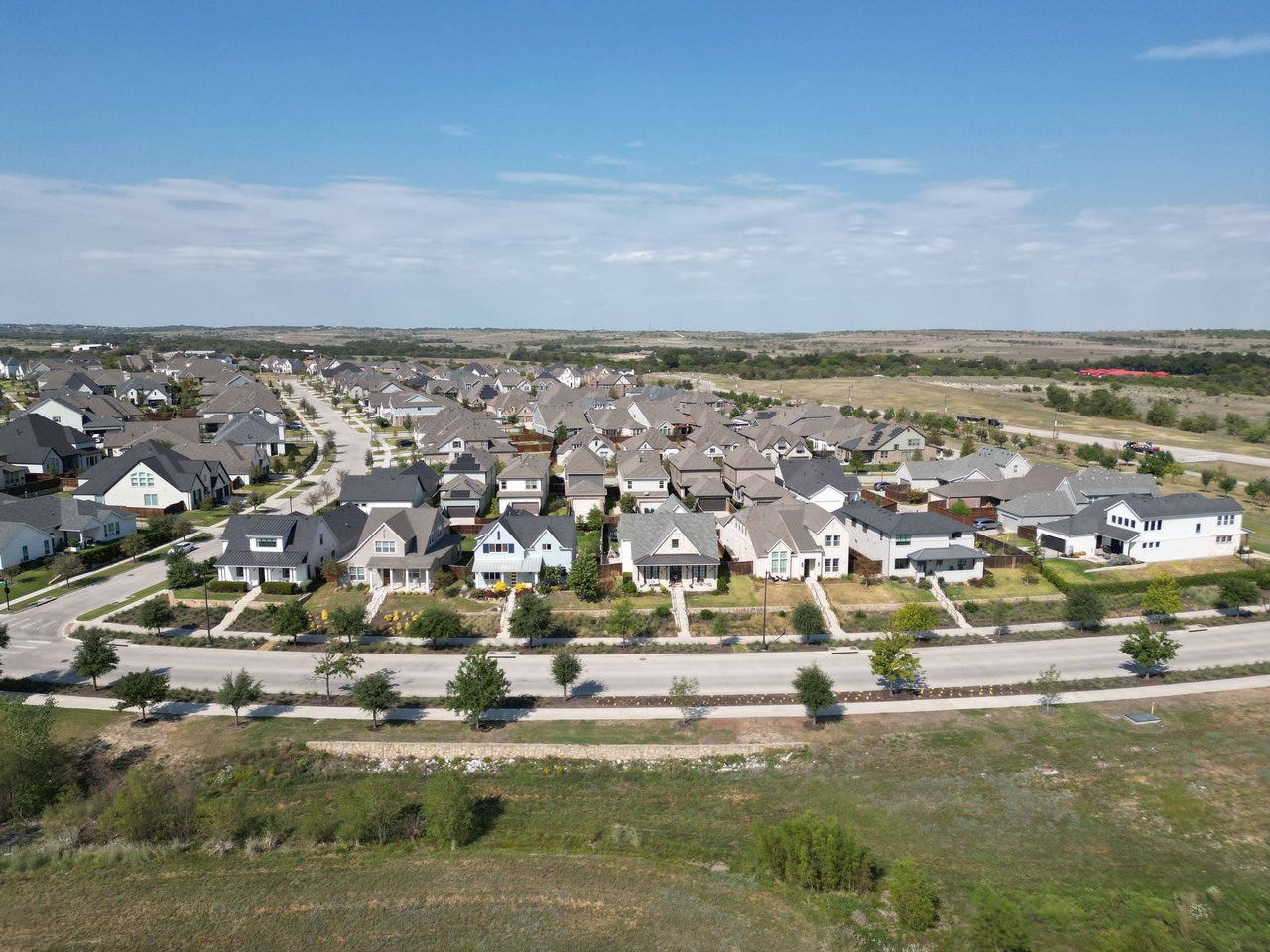 Walsh Ranch
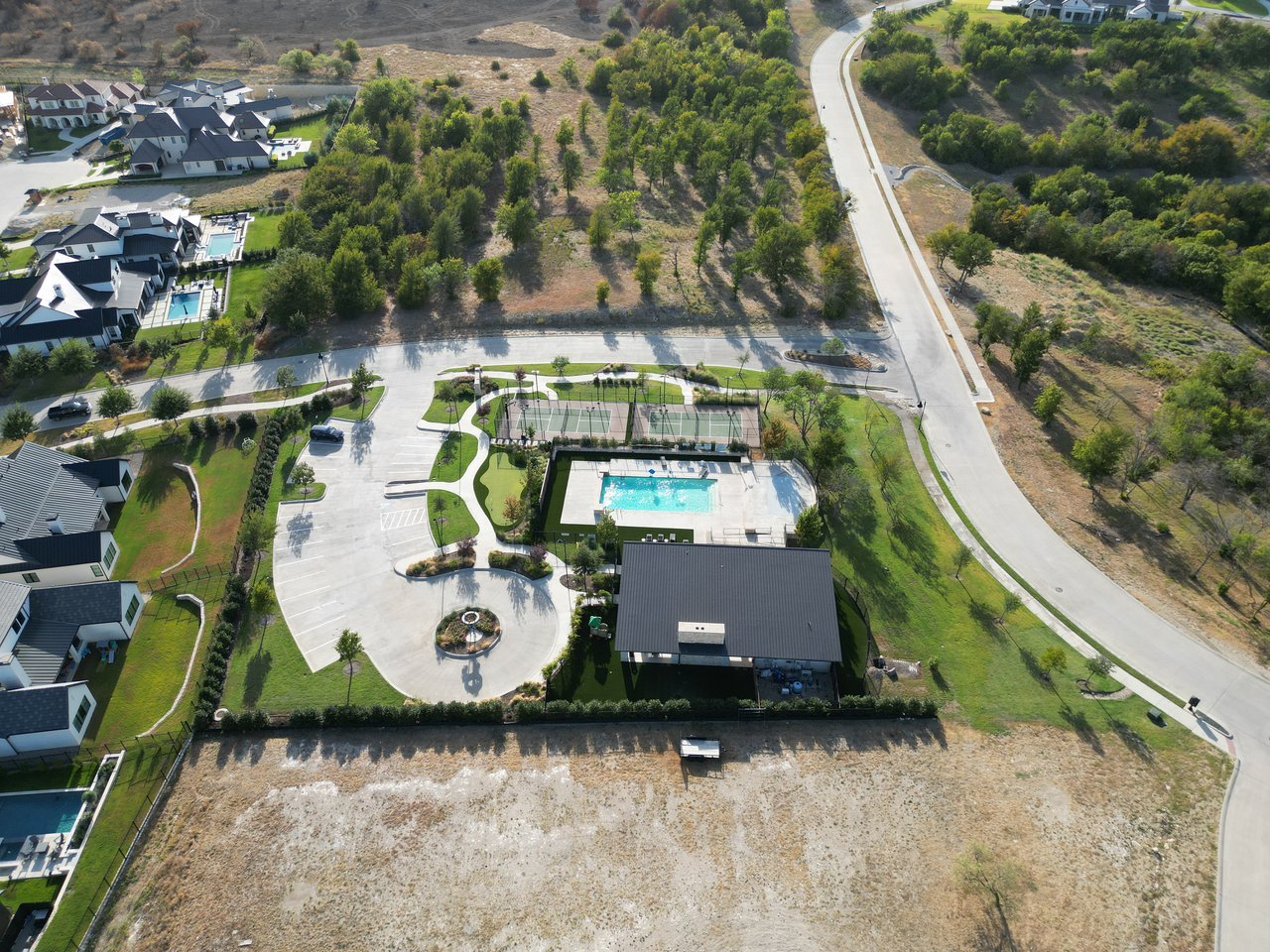 Montserrat / Montrachet
 Bella Flora
 Edwards Ranch Riverhills
 Tavolo Park
 Ryan Place
 Fairmount
 Ridglea
 Ridglea North
 Ridgmar
 Westover Hills
Rivercrest Bluffs & River District
Westover Hills
Rivercrest Bluffs & River District
 Rivercrest, Monticello & North Hi Mount
 Mira Vista
Overton Park
Overton Woods
Westcliff
Arlington Heights
Benbrook
Ventana
Downtown
Linwood
Eagle Mountain & Marine Creek
Beltmill & Watersbend
Heritage & Alliance
Presidio & Tehama Ridge
Wedgwood
North Richland Hills
Hurst
Euless
Bedford
Grapevine
Westlake
Keller
Southlake
Colleyville
Arlington
Burleson
Crowley
Mansfield
Kennedale
Aledo
Weatherford
Azle
Granbury
Springtown
Cleburne
Joshua
Godley
Alvarado
Ponder
Krum
Waxahachie
Midlothian
Poolville
Decatur
Justin
Mira Vista
Overton Park
Overton Woods
Westcliff
Arlington Heights
Benbrook
Ventana
Downtown
Linwood
Eagle Mountain & Marine Creek
Beltmill & Watersbend
Heritage & Alliance
Presidio & Tehama Ridge
Wedgwood
North Richland Hills
Hurst
Euless
Bedford
Grapevine
Westlake
Keller
Southlake
Colleyville
Arlington
Burleson
Crowley
Mansfield
Kennedale
Aledo
Weatherford
Azle
Granbury
Springtown
Cleburne
Joshua
Godley
Alvarado
Ponder
Krum
Waxahachie
Midlothian
Poolville
Decatur
Justin
Stay up to date on the latest real estate trends.

H-E-B is coming to Chisholm Trail and Oakmont in late 2028. I measured six North Texas stores to find out what that does to home values. It doesn't — but it changes ho… Read more
Home Improvement
A shop with electricity adds about 6% of the sale price. The same building without power adds 2.6% — the same as a storage shed.
Home Improvement
2,002 accessory units measured. Having one adds about 7% — and how big it is adds nothing, so build the smallest one that does the job.
Seller Resources
Your old days on market follow you until you've been gone 30 days — then they vanish completely. 16,465 relisted DFW houses measured.

Home Improvement
About 9% of your price almost regardless of neighborhood — half to all of what one costs to build. And they sell eight days faster.
Buyer Resources
On a new build the listed tax is the vacant lot's bill, and it roughly quadruples in year two — about $526 a month on a $450,000 house.
Buyer Resources
Owned panels add about 3%. Leased panels add nothing — and a listing that doesn't say which gets priced like a lease.

Seller Resources
Your twenty acres are not worth ten times your neighbor's two. Per-acre price falls about a quarter every time a tract doubles.
Owner Resources
I listed one in North Richland Hills that sold in nine days at 99% of asking. The elevator wasn't why — and 121 sales out of 89,302 show why not.
I've trained three appraisers in this market, and every figure on this blog comes from closed sales I pull and model myself. The same analysis, applied to one address.