Edwards Ranch Riverhills
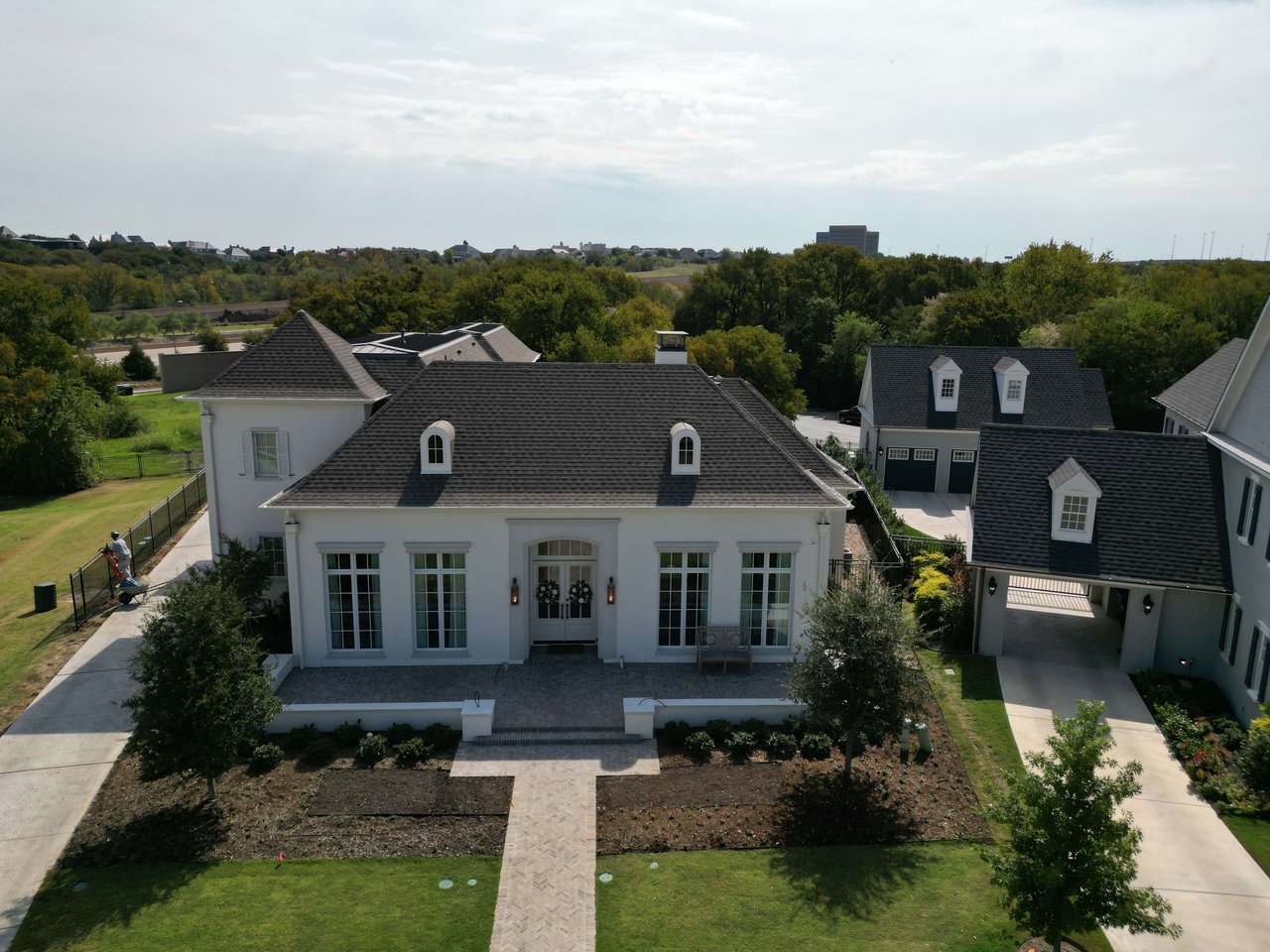
A custom-home community on land the Edwards family has owned since 1848, above the Trinity in southwest Fort Worth. Seven sales a year on the bluff, at a median of $1.8 million -- and what you are mostly buying is the lot.
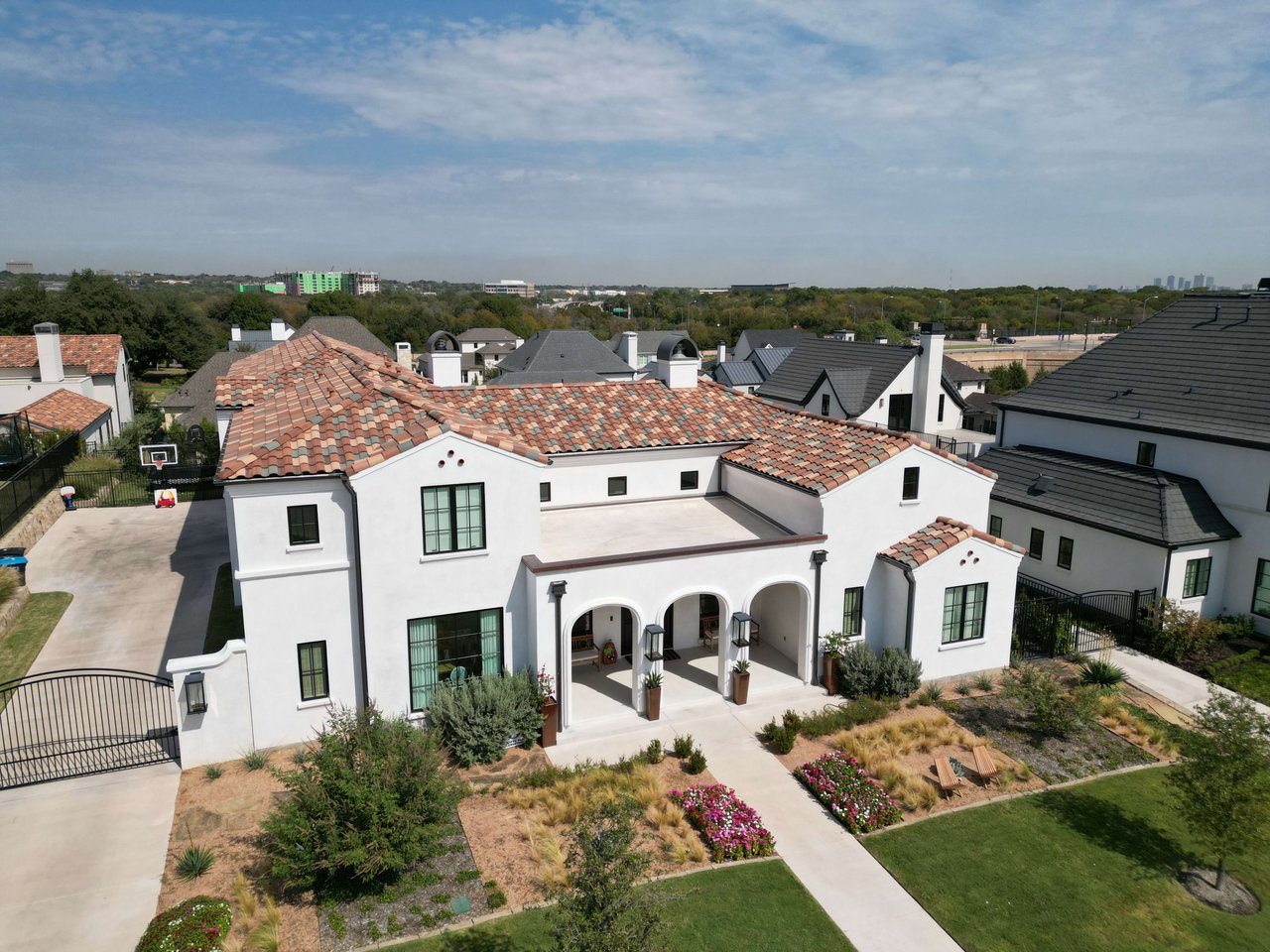
A custom-home community on land the Edwards family has owned since 1848, above the Trinity in southwest Fort Worth. Seven sales a year on the bluff, at a median of $1.8 million -- and what you are mostly buying is the lot.
That's not trivia. It's the reason the neighborhood feels finished rather than assembled, and it answers a question most buyers in new communities can't get a good answer to: who decides what gets built across the street, and do they have any reason to care? Here, the same family has been answering that question for more than a century and a half.
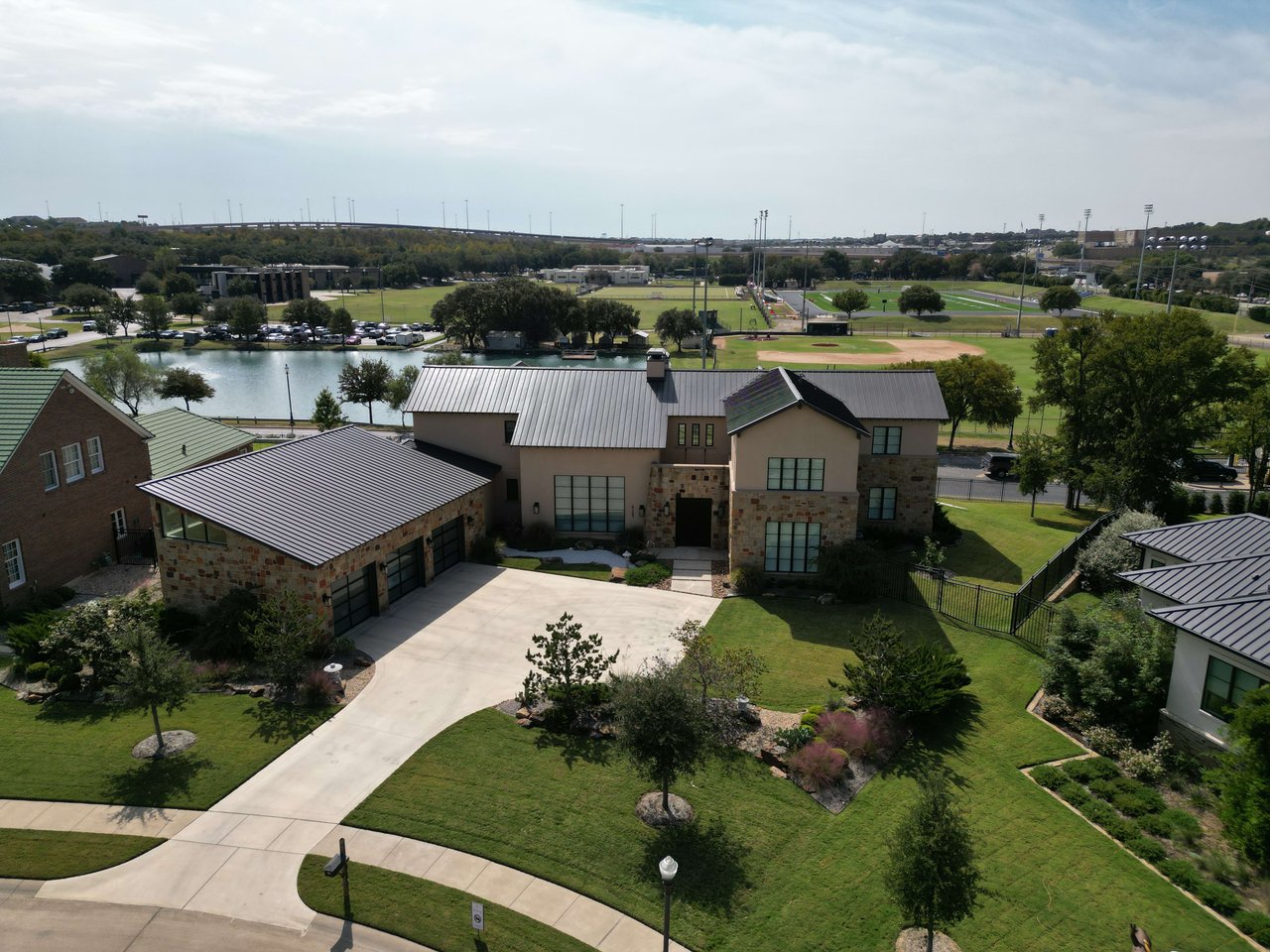
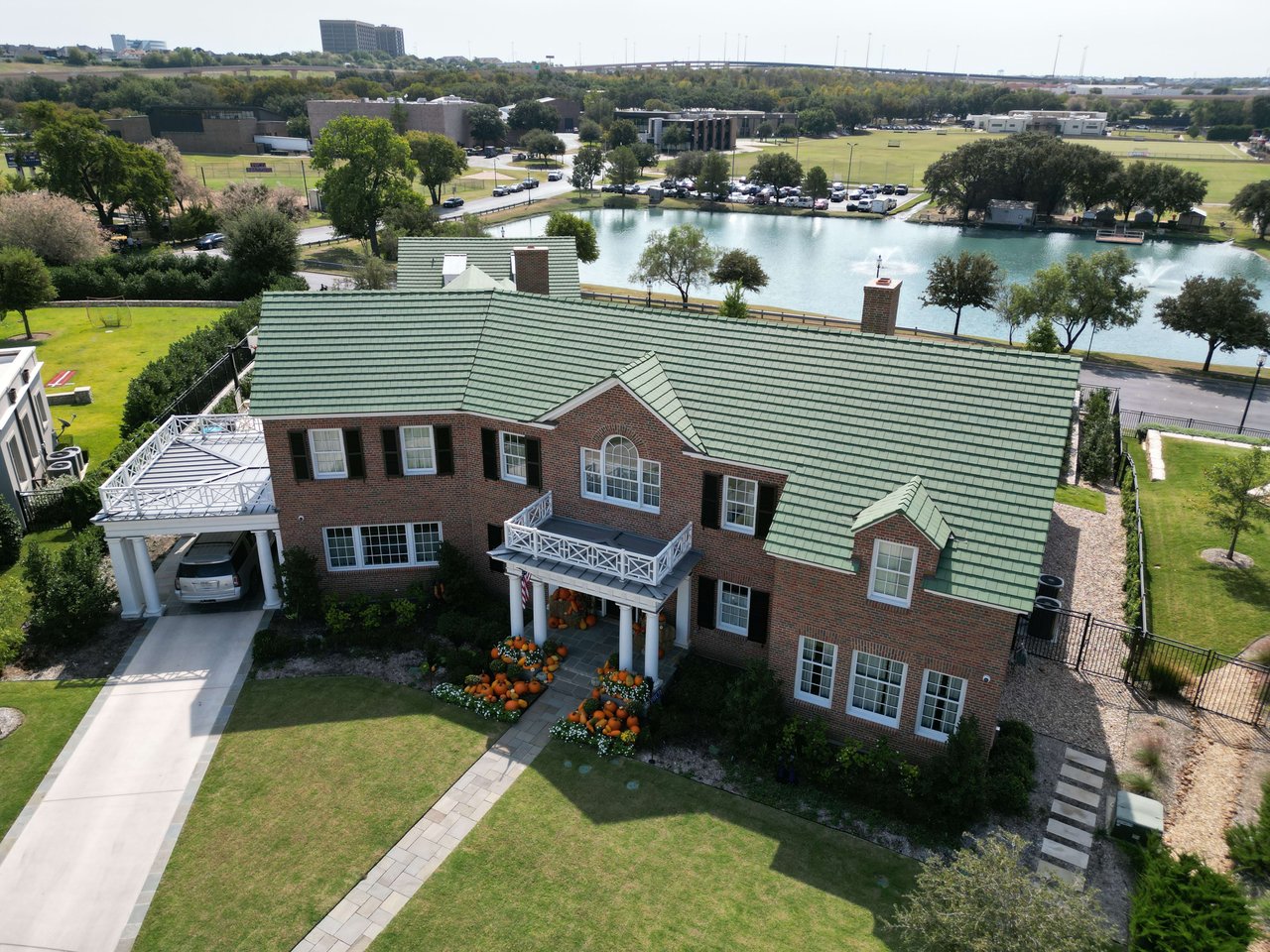
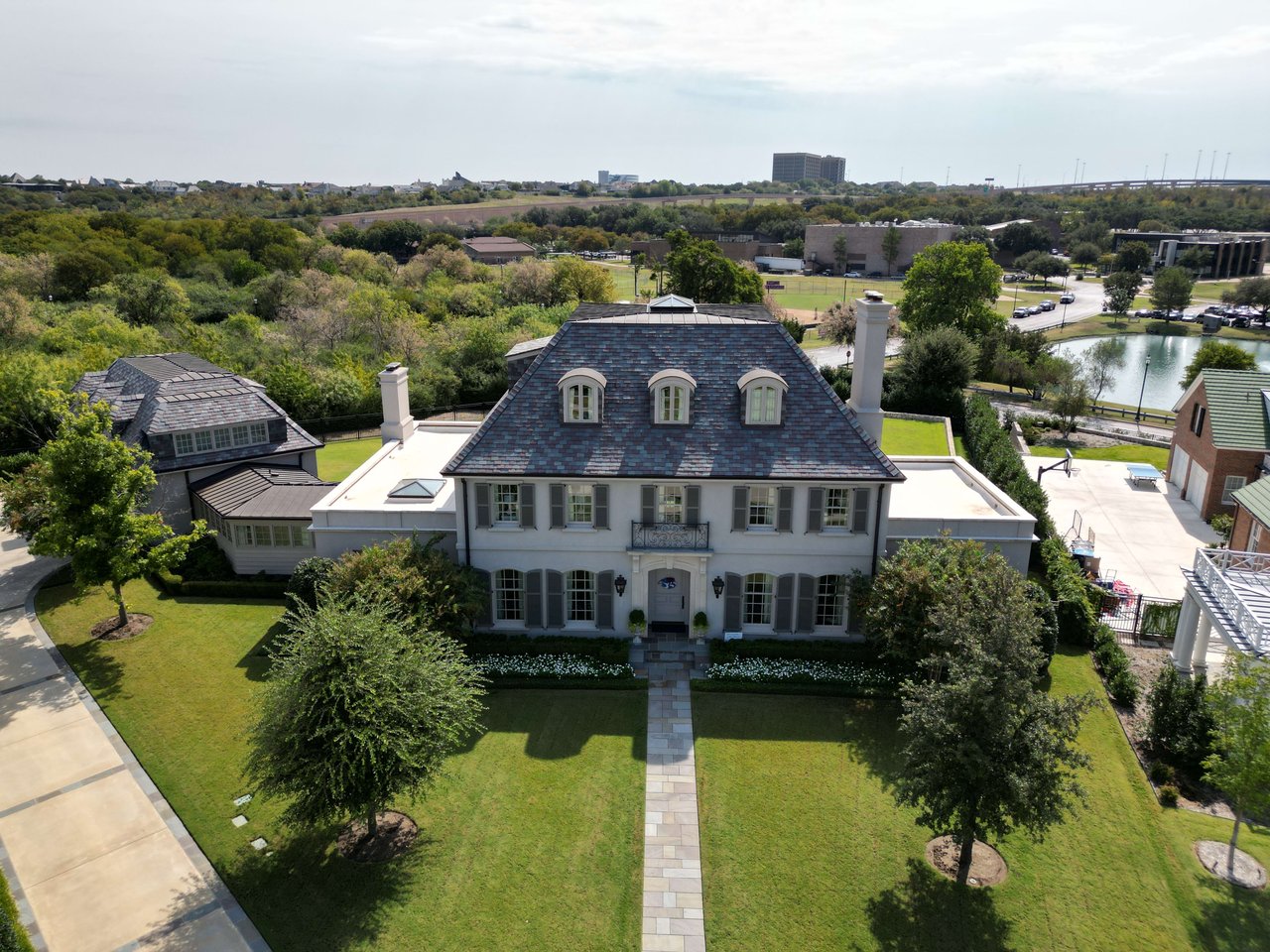
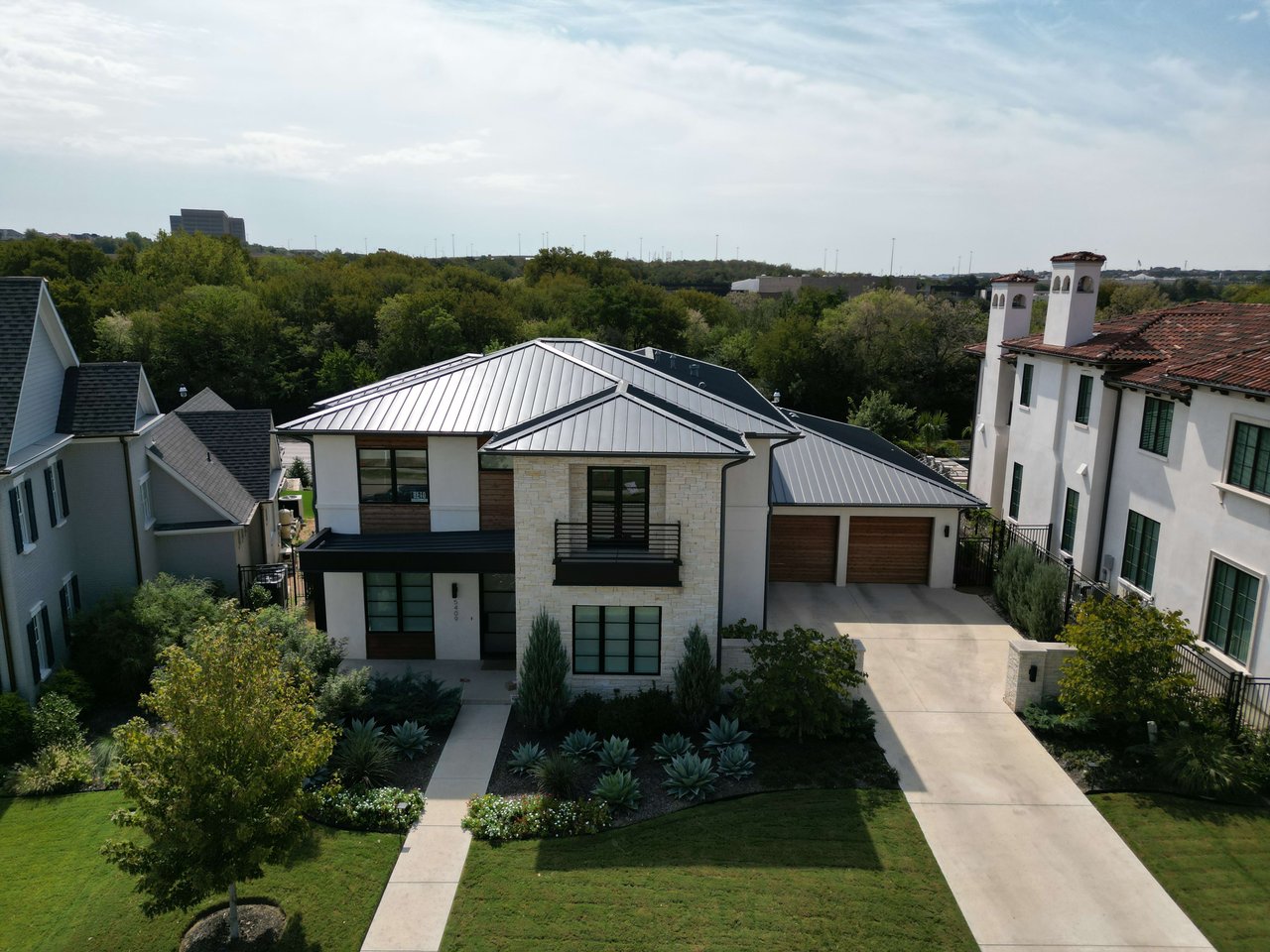
Riverhills itself is custom architecture on curving streets, minutes from Waterside and The Shops at Clearfork, with the Trinity Trails and the river at the back door and Chisholm Trail Parkway putting downtown and the medical district within a short drive.
I owned a home in Riverhills and sold it. So I know this neighborhood as a homeowner as well as a broker — what the HOA is actually like, how the streets differ, and what a buyer notices on the second visit rather than the first. I'm also a Certified Residential Appraiser, which matters more here than in most places. Here's why.
I pulled every Riverhills listing over the three years ending September 2026. There were 34, and 21 closed.
Seven sales a year. That is the thinnest market I cover.
Thin markets behave differently from ordinary ones, and the difference is not that prices are unpredictable. It's that the list price carries more weight here than almost anywhere else, because there aren't enough transactions for the market to correct it gently. Twenty-one sales spread across a range from $1.3 million to $4.6 million means that for any particular house, the number of genuinely comparable sales is two or three — sometimes fewer.
That's the whole reason your agent's appraisal training matters here and doesn't much matter in a subdivision with two hundred sales a year. When the comps run out, someone has to actually reason about value.
This is the finding I'd most want a buyer or a seller here to have, and it runs opposite to how price per square foot usually behaves.
In Riverhills, price per foot goes up as homes get larger — and it tracks lot size even more strongly.
The correlation between lot size and price per foot is 0.72, which for residential data is very strong. Between house size and price per foot it's 0.60. Both positive.
In most neighborhoods the opposite is true — a kitchen and a roof and a foundation don't scale with square footage, so bigger houses carry a lower price per foot. I showed a Fort Worth subdivision where that slope ran from $239 down to $175 in two agents, two prices.
Riverhills inverts it for the same reason Montrachet does: the land is a large enough share of value to overwhelm the construction-cost effect. The lots here range from roughly 7,400 square feet to more than 34,000 — nearly a five-fold spread inside one small neighborhood — and the larger positions cluster on particular streets.
Practically, two things follow.
A per-foot average for “Riverhills” is close to meaningless. If someone applies the neighborhood's $422 median to a home on a quarter-acre-plus lot, they will undervalue it badly. Apply it to a home on a standard lot and they'll do the reverse.
Your phase and lot position are most of your resale story. Your copy of the floor plan is not what separates your house from the one two streets over. The ground under it is.
Over three years, 12 of 34 listings — 35% — were cancelled or expired without selling. Eight properties came to market more than once.
What those listings were asking is worth knowing.
The withdrawn listings asked a median of $514 per square foot, against the $422 that sales actually cleared — about 22% over. Their median list price was $2,697,500, well above the $1,800,000 median close. And they sat a median of 84 days before coming off, against 26 days for homes that sold.
The shape of it is familiar from every thin luxury market I cover: homes positioned near the clearing level trade quickly, and homes positioned well above it tend to come off the market rather than be negotiated down. There isn't the buyer volume to produce six months of counteroffers.
That isn't distress. Riverhills owners hold real equity and long horizons, and when the number doesn't come they'd rather stay than chase it. If you own at the upper end, it's simply worth knowing which of those two outcomes you're setting up.
On market conditions, with a caveat about what this sample can and can't tell you. Riverhills is 21 closed sales over nearly three years — genuinely too few to detect a price trend even if a strong one existed, and I'd rather say so than dress up noise as a finding. Measured anyway, it comes out at +0.2% a year, which is as flat as a number gets.
The broader picture carries more weight at this sample size. Out of eighteen Fort Worth neighborhoods I've measured, none has a statistically significant decline in price per foot. Values have held; what changed is how long a sale takes and how many owners simply withdraw instead of cutting. At seven sales a year on the bluff, that makes the opening number close to the whole decision — there isn't enough transaction volume for the market to correct you gently.
HOA dues run a median of about $2,789 a year, with a range from roughly $1,850 to $6,500 depending on section — generally covering grounds maintenance, management and security. Reasonable for what it is, but confirm the figure for the specific property, because the spread here is wide.
Property taxes follow the ordinary Fort Worth pattern: Fort Worth ISD, City of Fort Worth, Tarrant County, plus hospital, college and water district levies — a combined rate near 2.19%, with no PID assessment. On a $1.8 million home that's real money, and it's worth modeling before you fall for a floor plan. I've written more about what Fort Worth's growth has done to tax bills.
Pools are close to standard — roughly two-thirds of the homes that have come to market have one. At this price point their absence costs more than their presence adds.
For sellers: start with the part that works. Homes positioned near the clearing level here go in about 26 days at 95% of original list — that is a healthy result by any Fort Worth standard. With seven sales a year and 35% of listings coming off the market, the list price is what determines which side of that line you land on. What works is comparables drawn from your actual lot tier, a defensible accounting of what the land contributes, and a realistic read on the two or three genuinely competing homes — not a neighborhood average.
For buyers: know which tier you're buying into before you compare anything, and read a home that has sat a while carefully. Out here it often means an owner in no particular hurry rather than a problem with the house — worth asking about either way.
I've been a Riverhills homeowner, I'm a Fort Worth broker, and I'm a Certified Residential Appraiser. In a neighborhood where the comps run out after two or three sales, that last one stops being a credential and starts being the job.
Call or text (682) 207-4310, or send me a note.
Sales figures are medians from NTREIS listings and closed sales for the three years ending September 2026, reported in aggregate. Tax rates, HOA dues and market conditions change — confirm current figures for a specific property before relying on them.
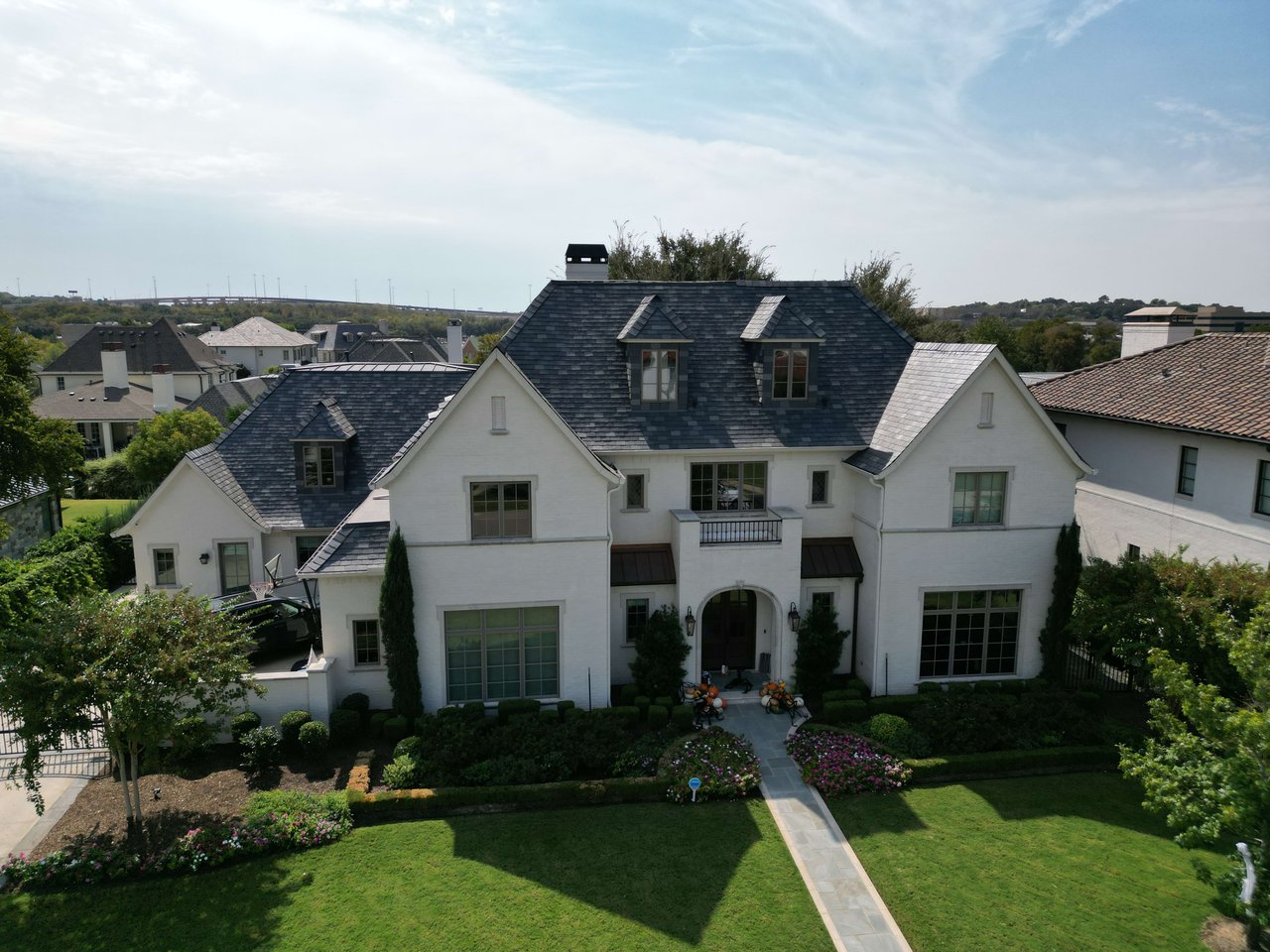
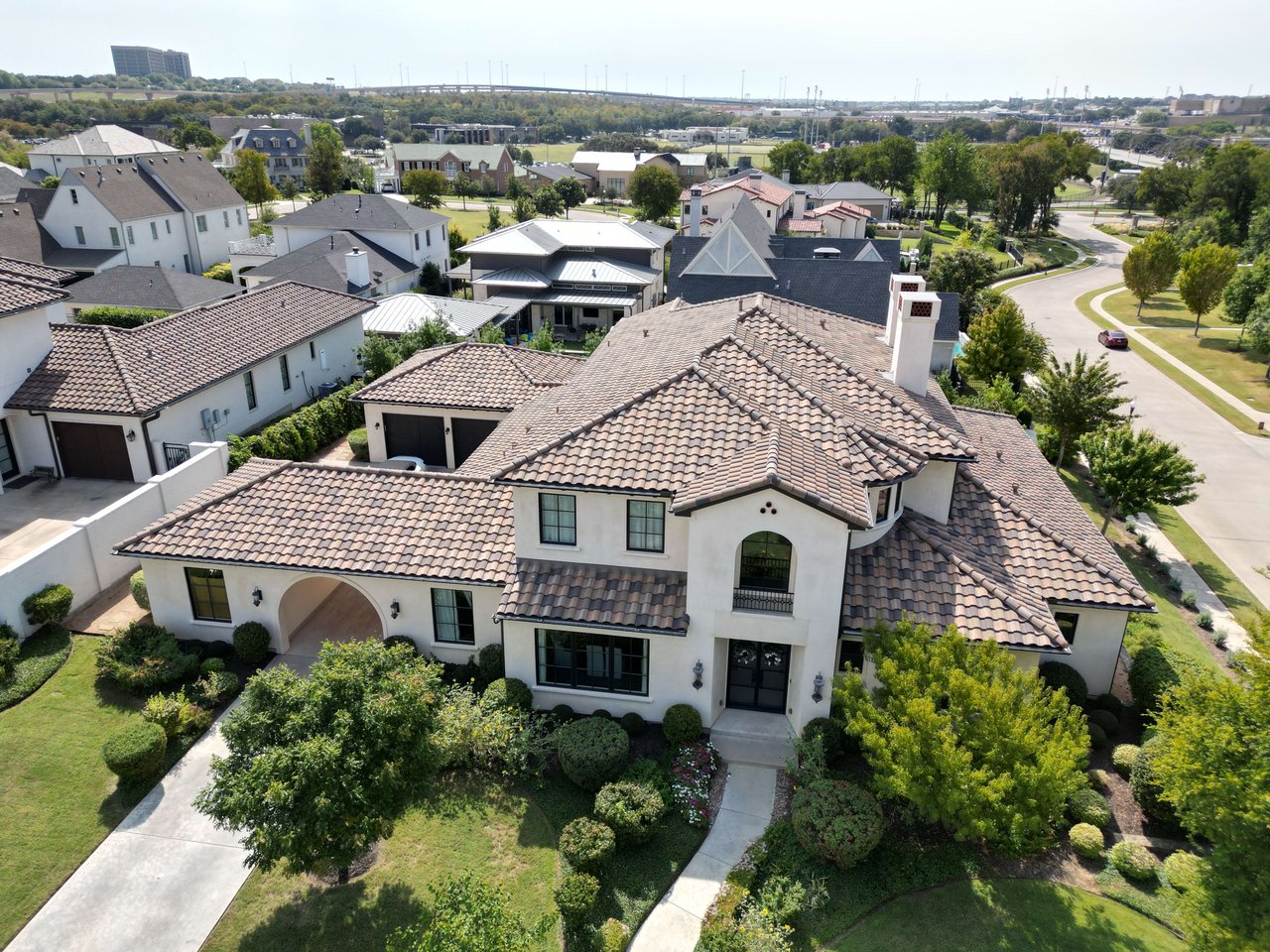
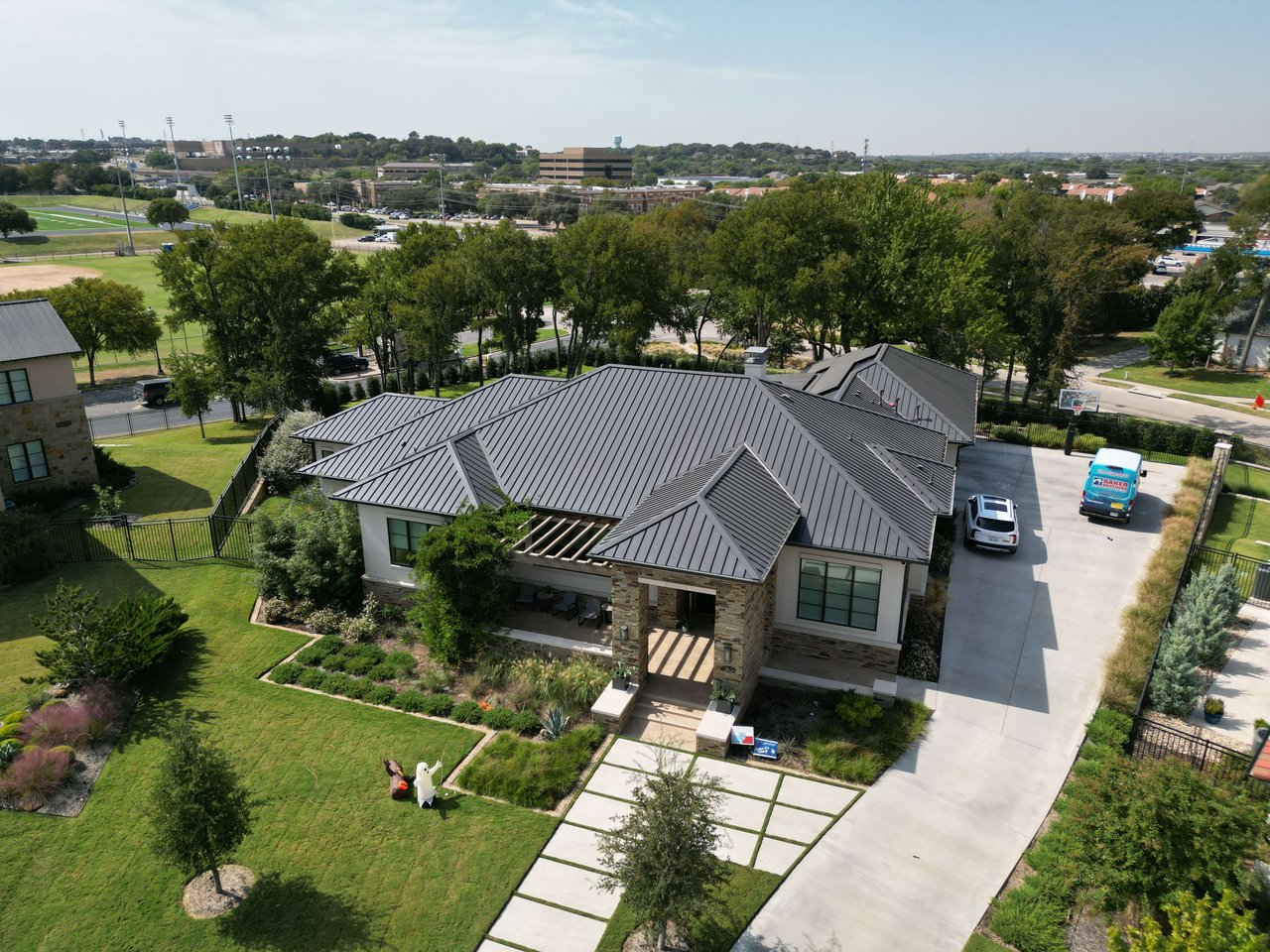
Whether buying or selling, get property-specific guidance from a Fort Worth broker and Certified Residential Appraiser.

