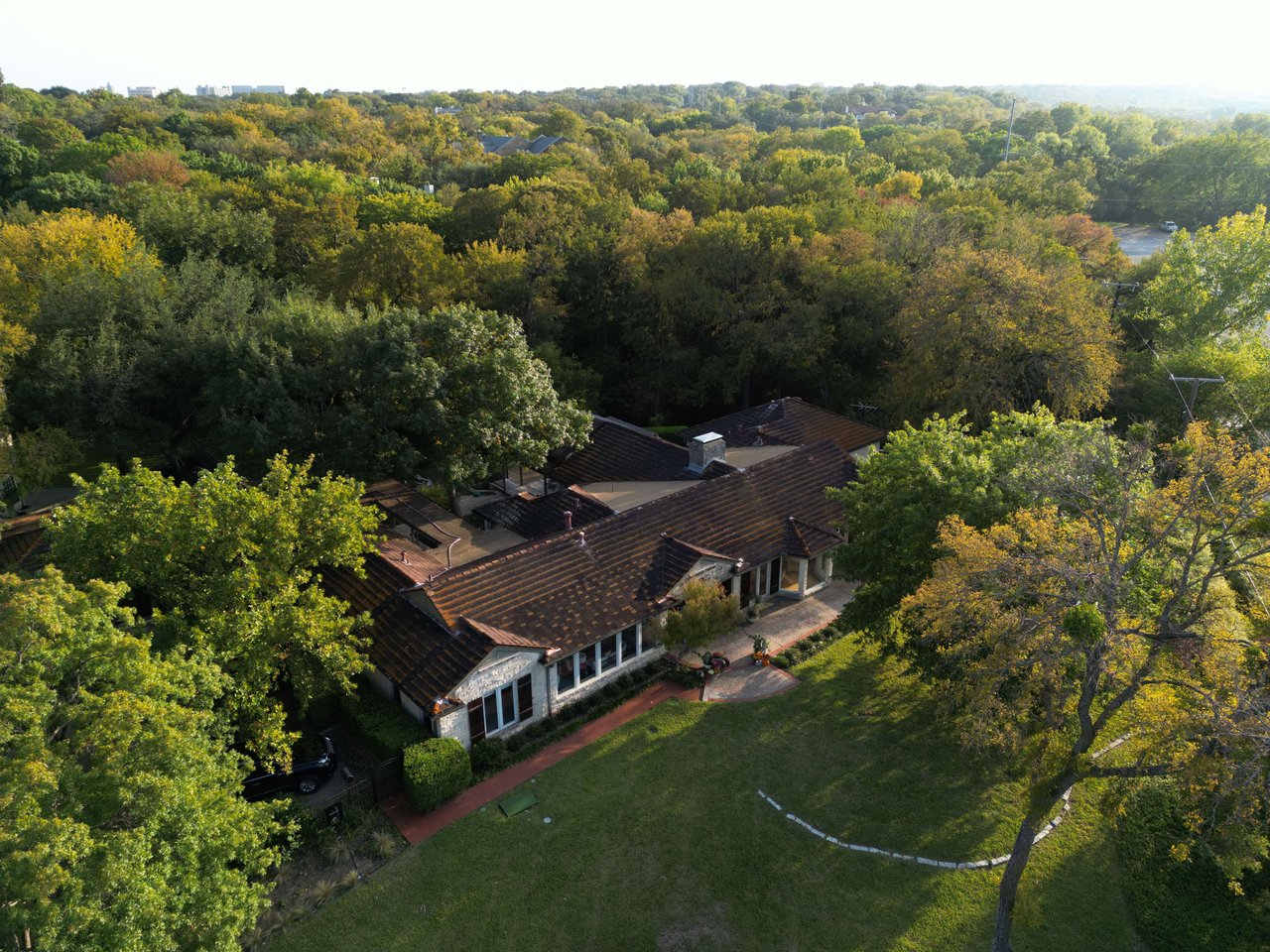
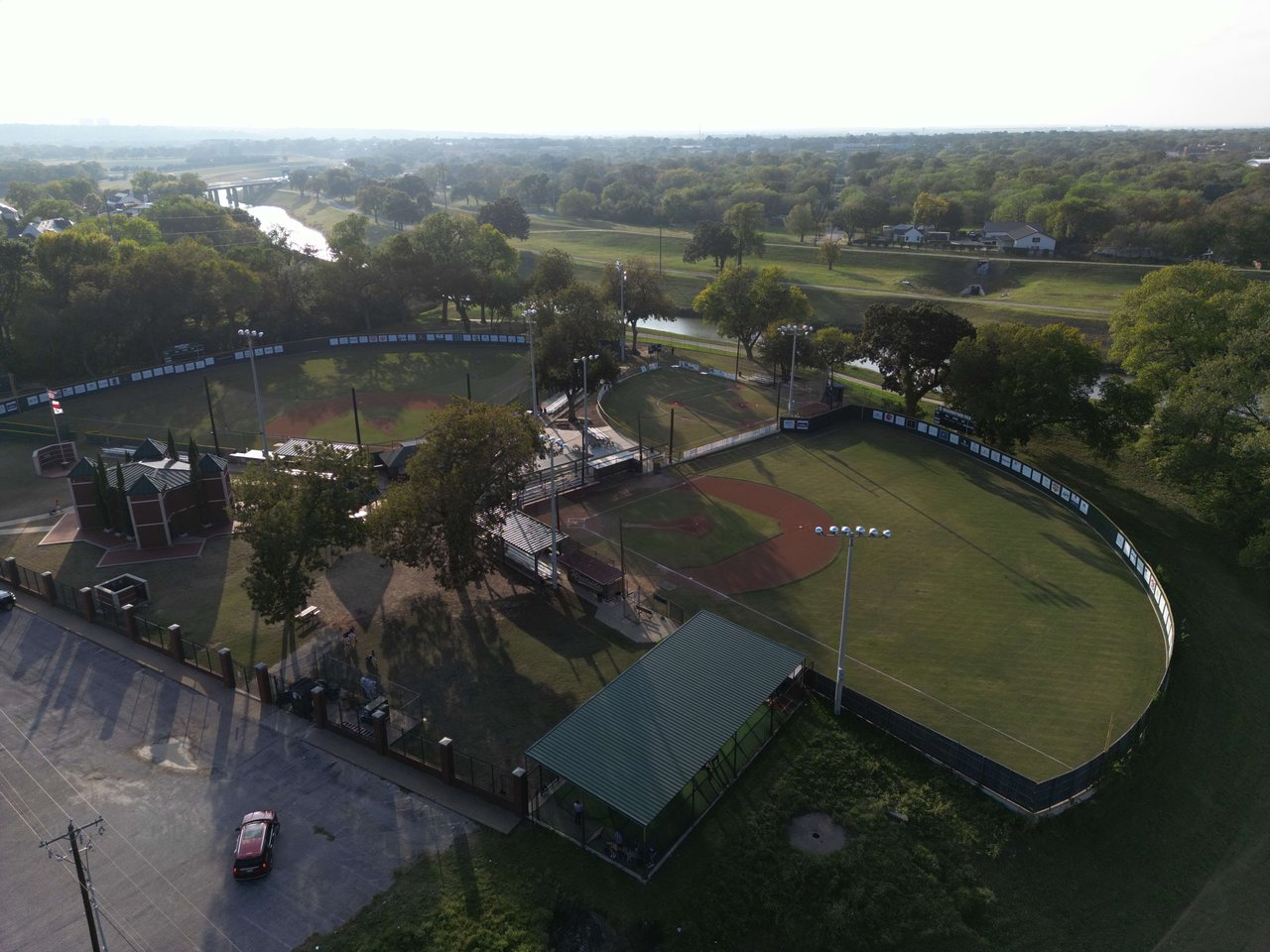
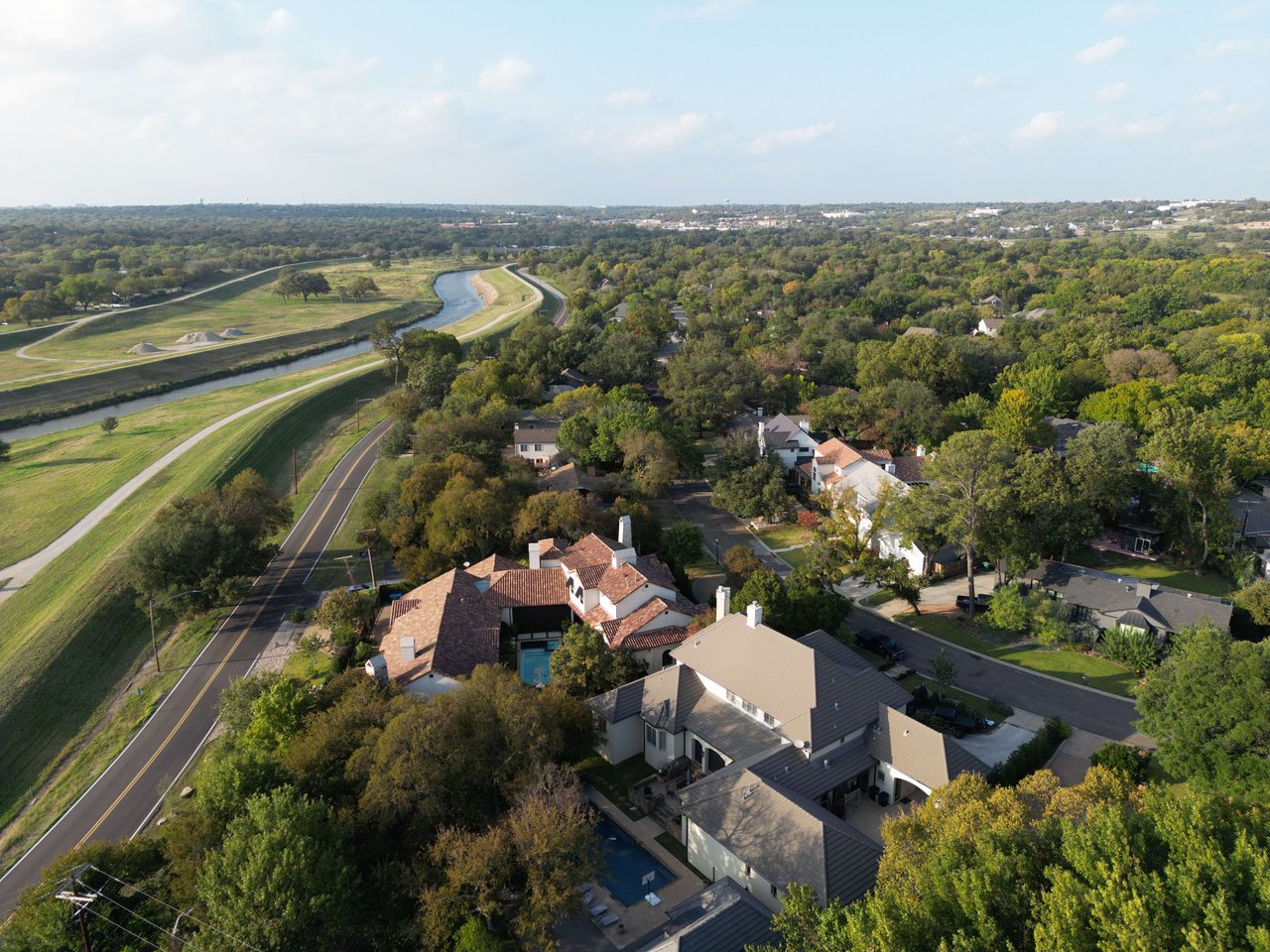
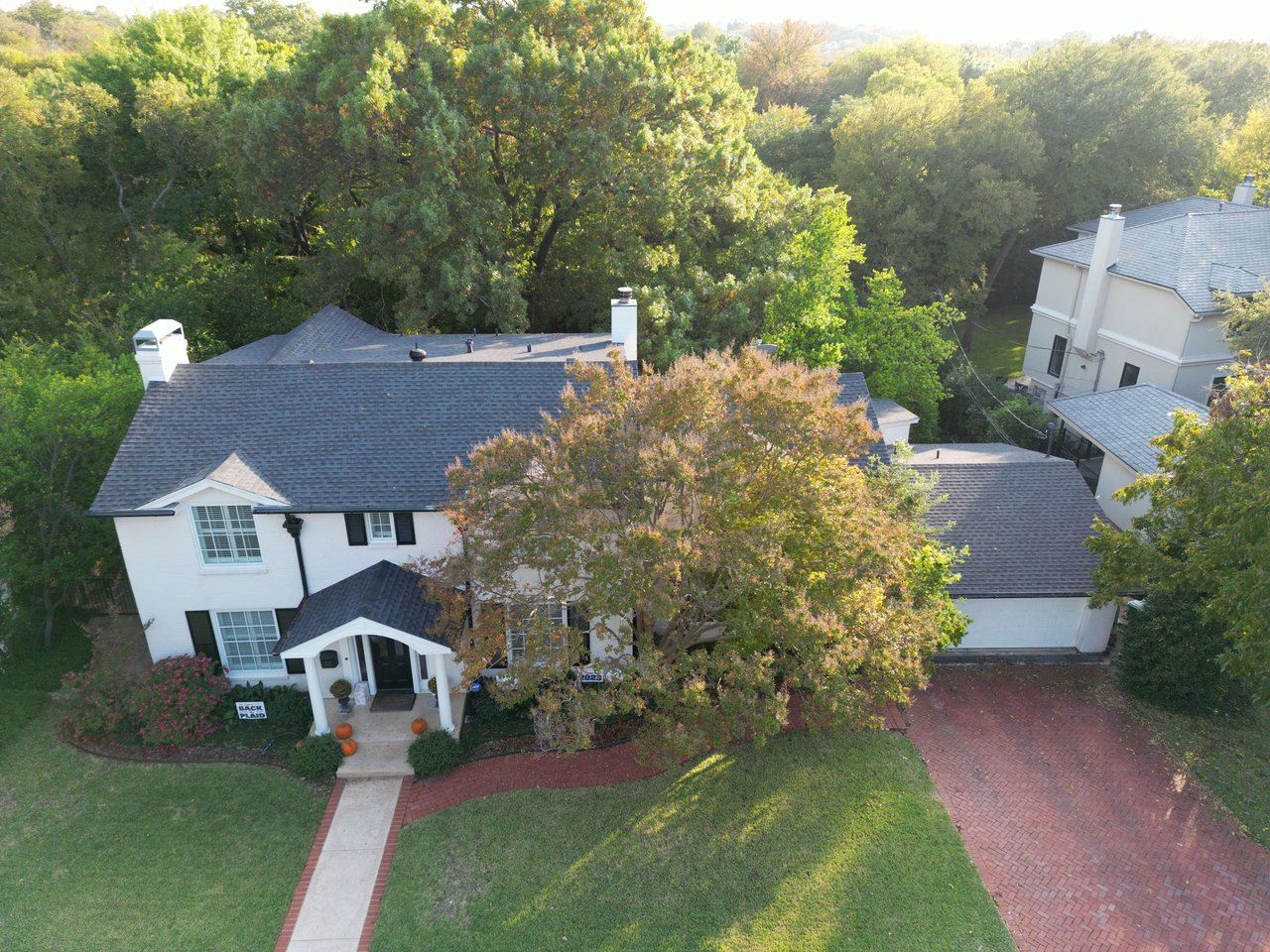
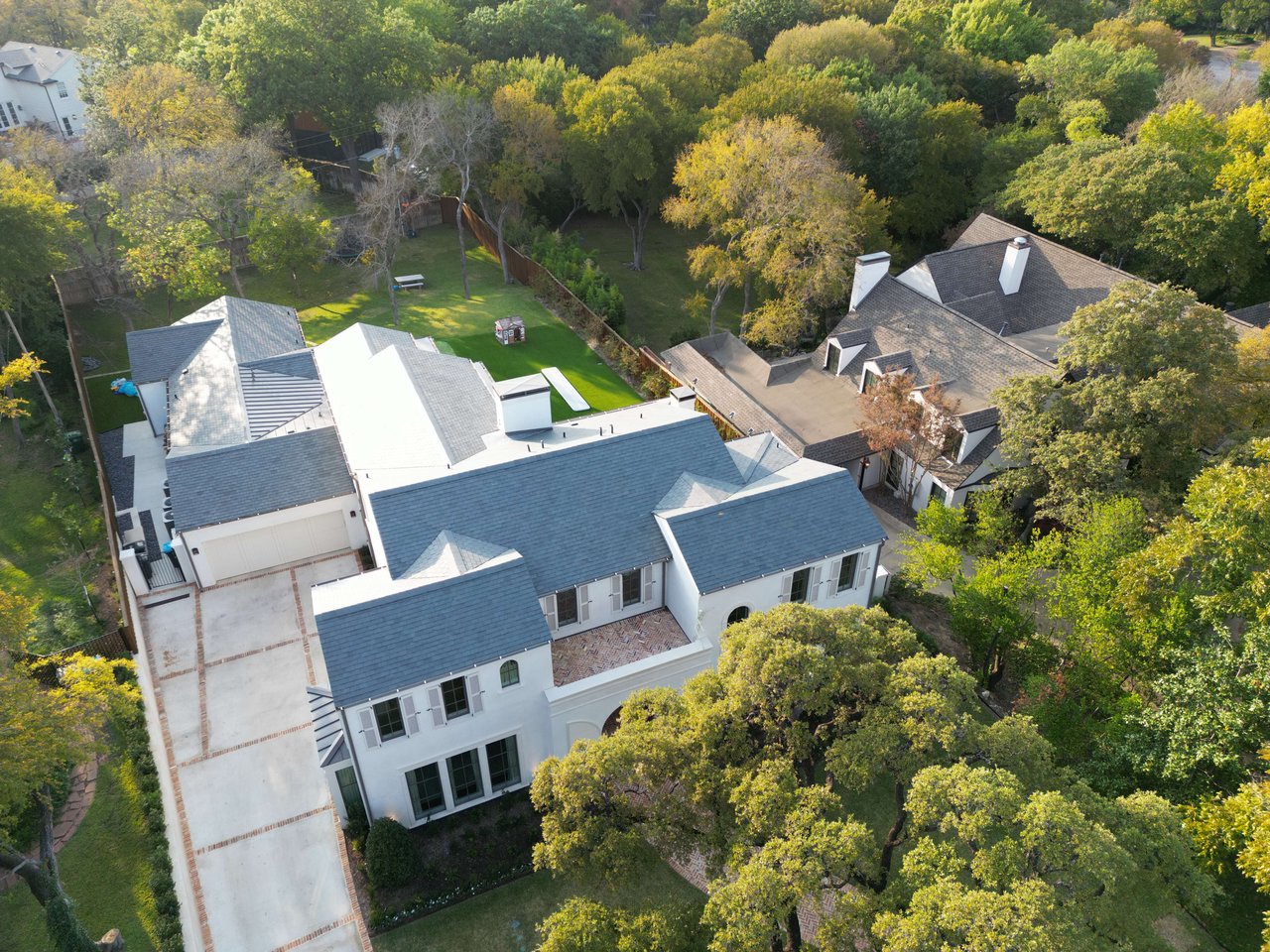
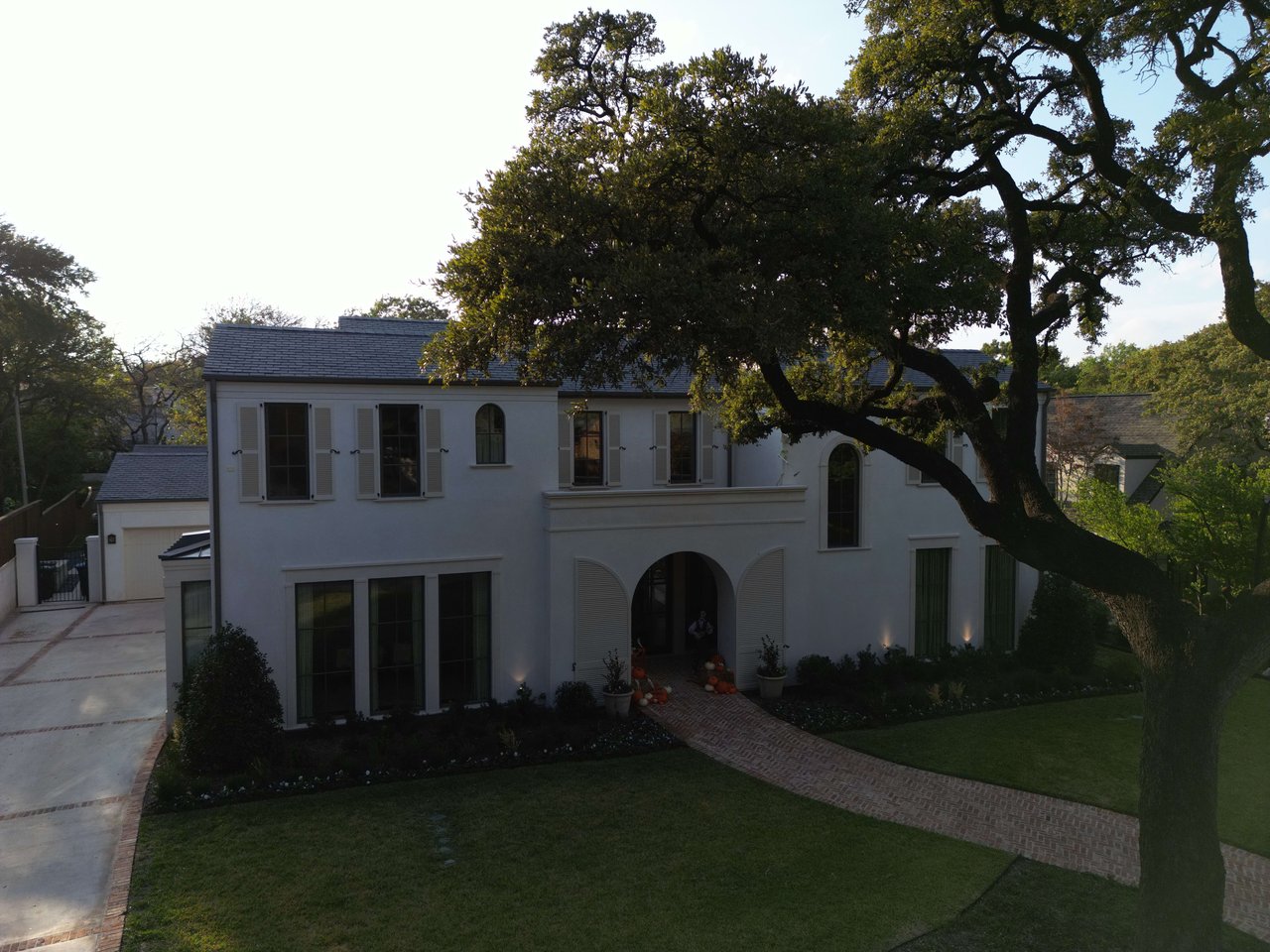
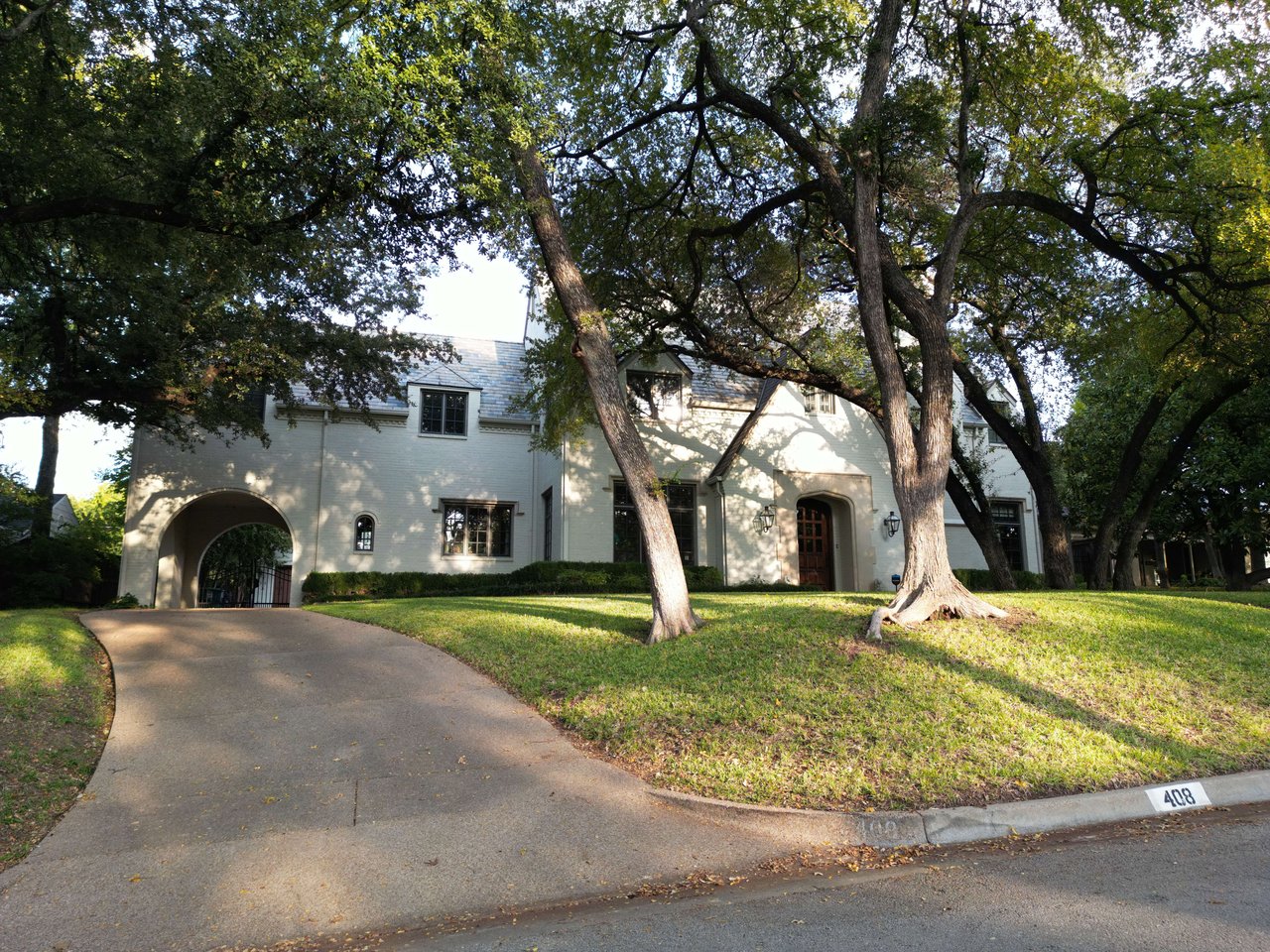
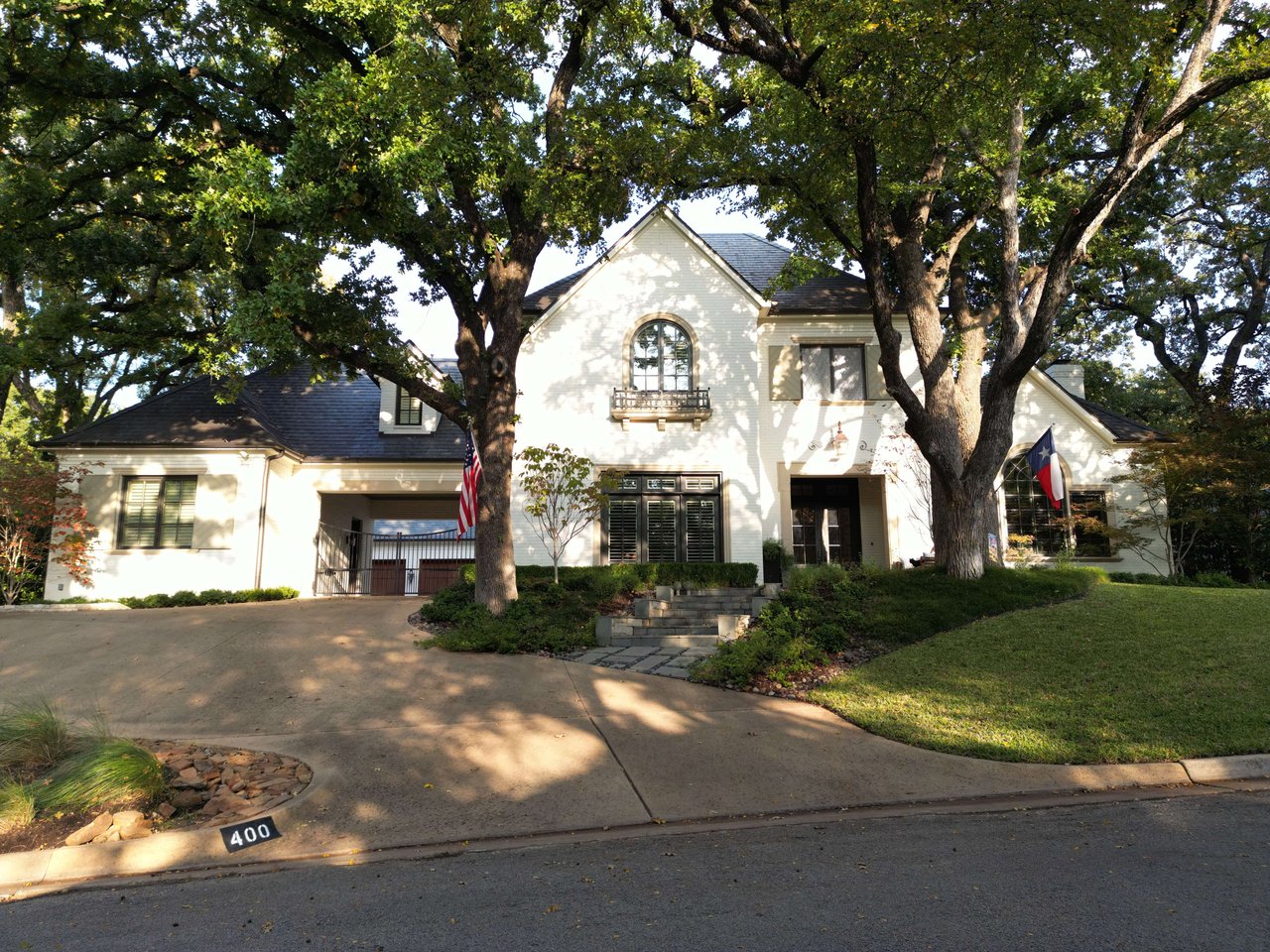
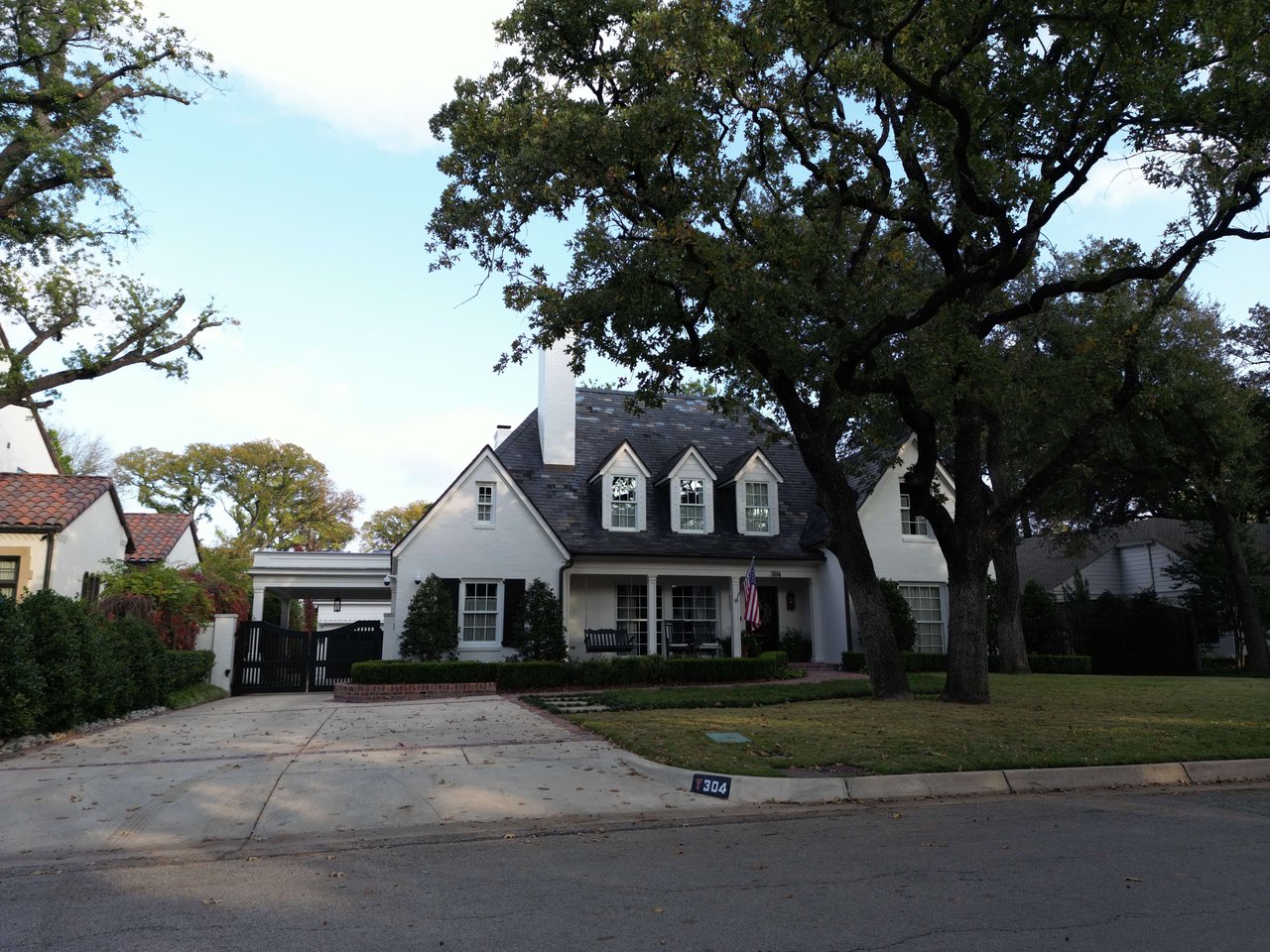
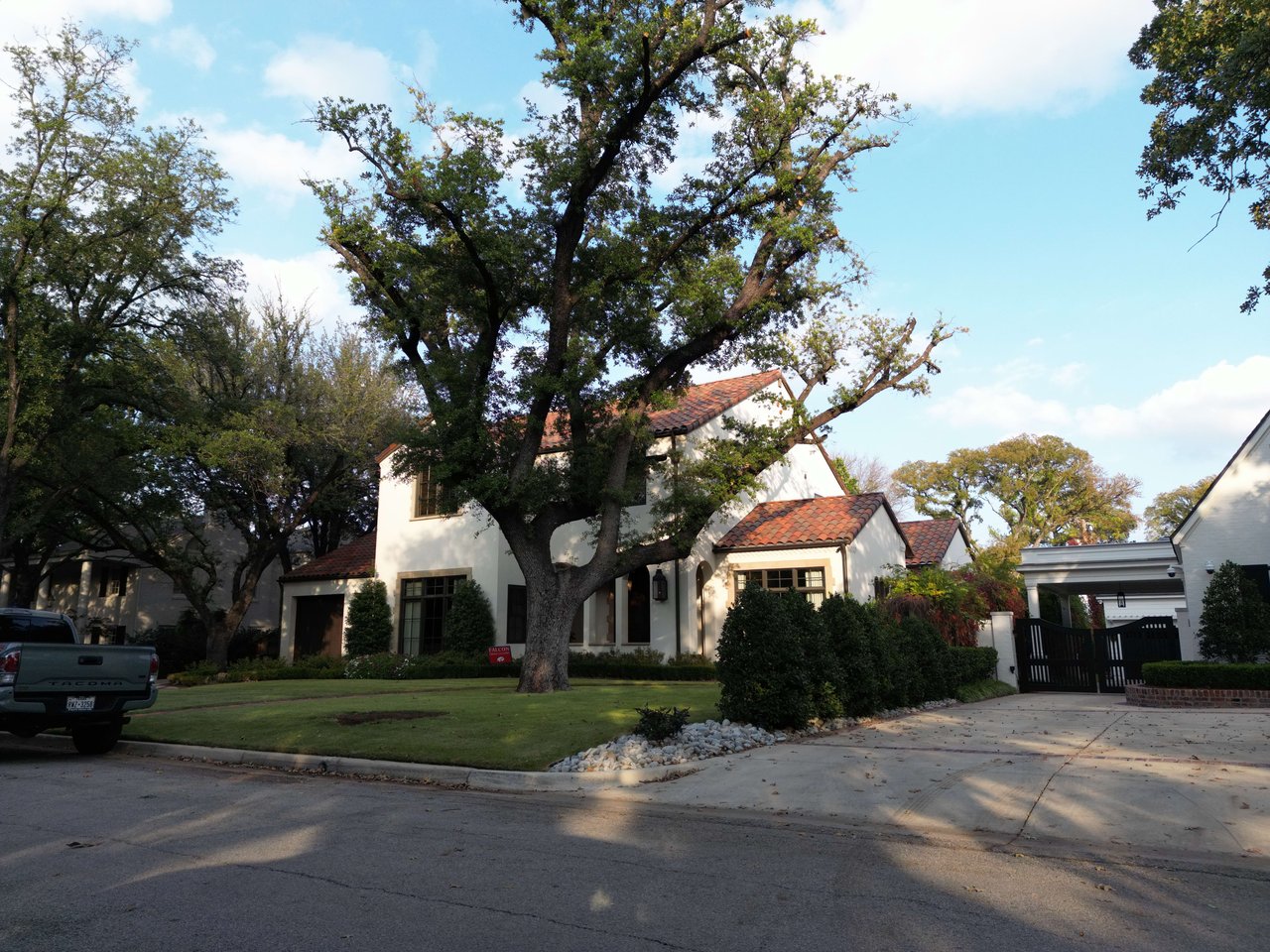
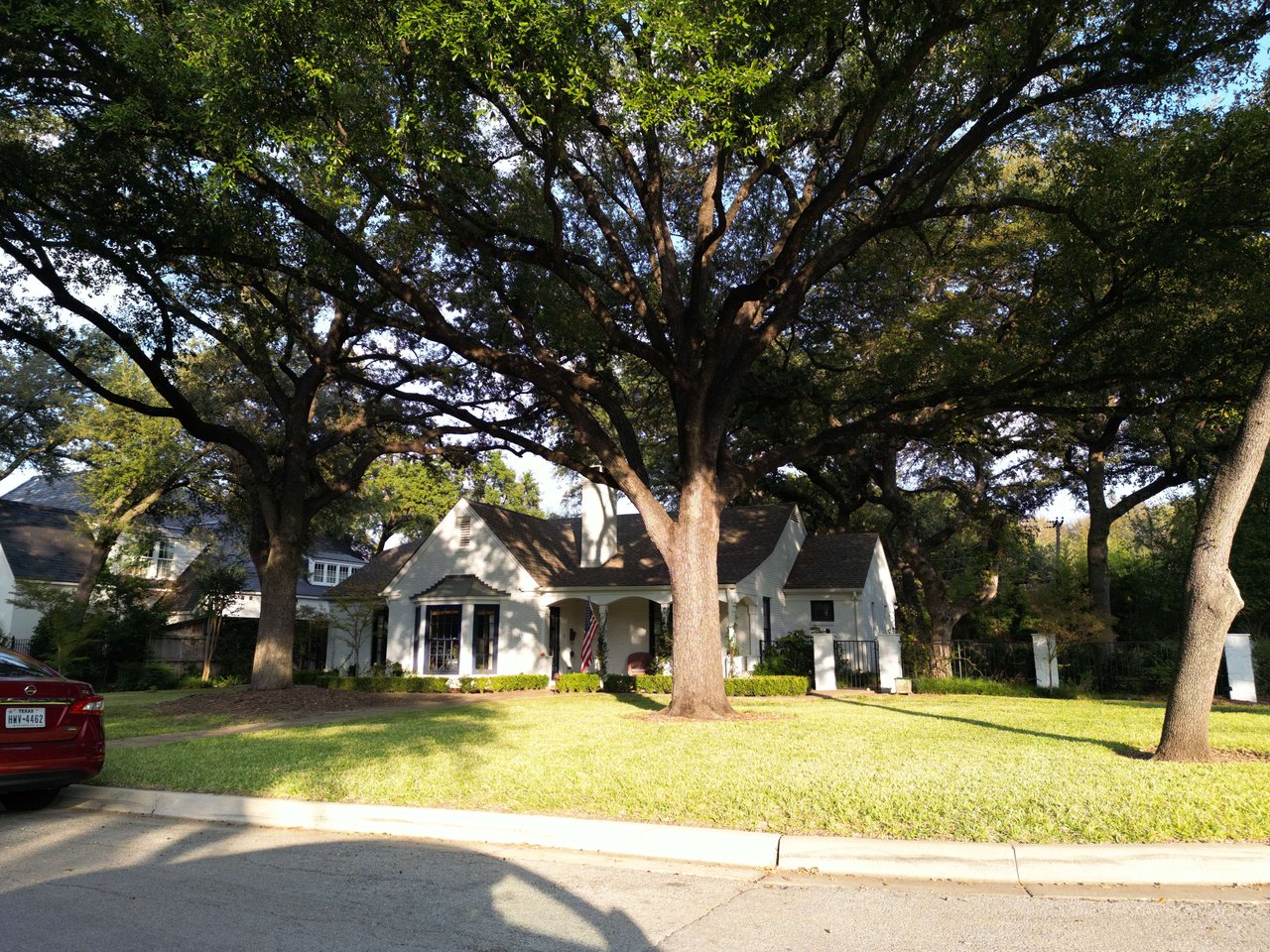
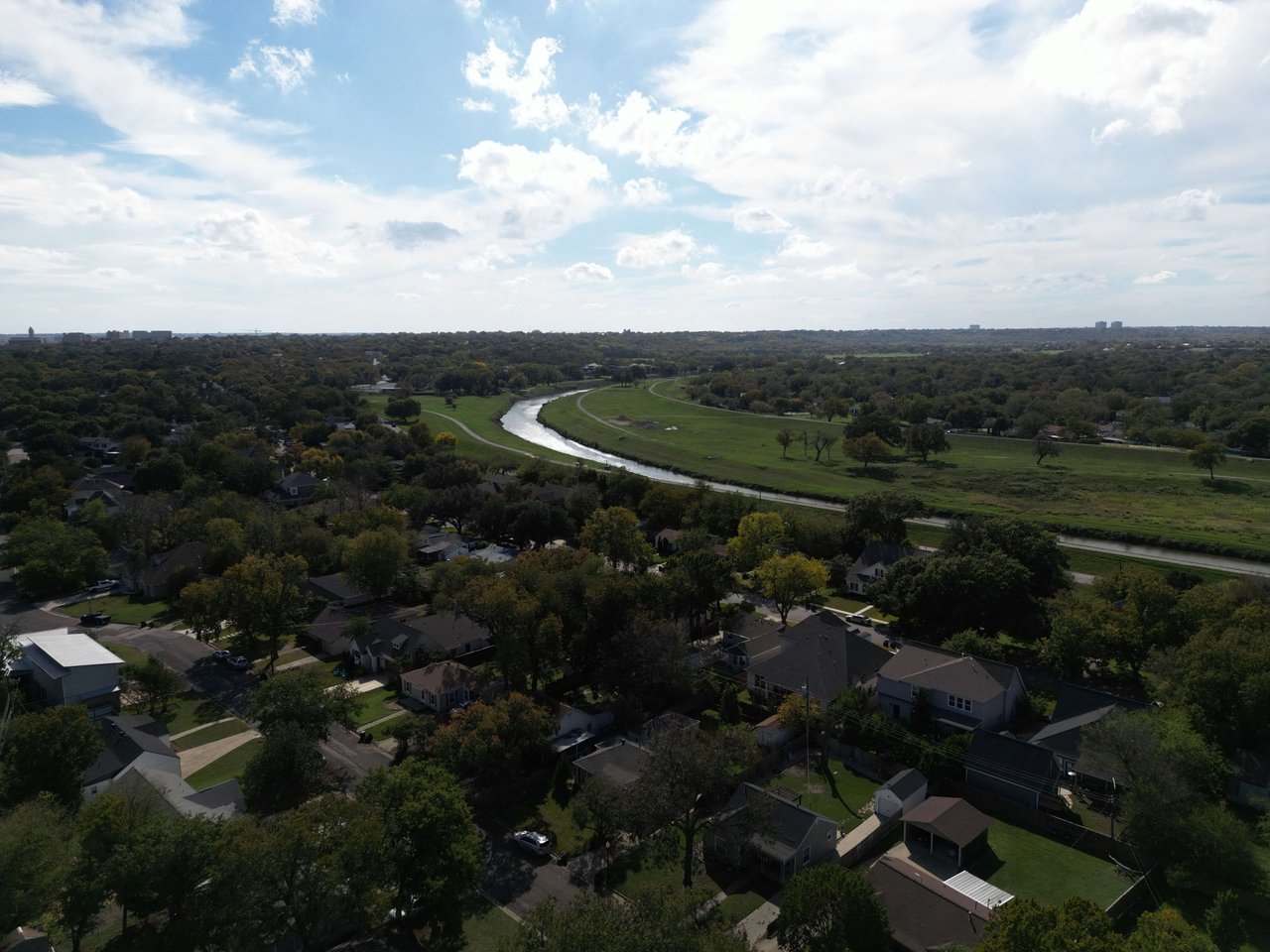
Crestwood sits in the bend of the West Fork of the Trinity, north of the Cultural District and about five minutes from downtown. Winding streets, heavy tree canopy, no through traffic, and the Trinity Trails at the bottom of the hill. It is one of the few central Fort Worth neighborhoods where you can walk out the door onto a trail system and also be at the Kimbell in ten minutes.
It was also built almost all at once. Of the homes that came to market here over the last five years, 36 were built in 1942 — a single wartime year accounting for better than a third of the neighborhood. Seventy of them predate 1960. Twenty-nine were built in 2002 or later.
And exactly one was built between 1960 and 2001. Forty-two years, one house. Crestwood went up in a burst, sat unchanged for two generations, and then started being rebuilt one lot at a time.
That history is why this neighborhood is hard to price, and why the obvious comparison gets it backwards.
I'm a Fort Worth broker and a Certified Residential Appraiser, and what follows is what the closed sales actually show.
What Crestwood costs
Over the three years ending September 2026, Crestwood produced 118 listings and 81 closed sales — about 27 a year.
- Median close $672,500 on 2,182 square feet — about $322 per foot
- Median lot 9,008 square feet
- Median 26 days on market at 96.4% of original list
- Closed prices ran $285,000 to $2,250,000
- Seven homes are active right now — close to three months of supply
Twenty-six days is fast. For comparison, most of the condominium markets I cover run two to four times that. Crestwood also barely relists: cumulative days on market reads 27 against a days-on-market figure of 26, meaning almost nothing here goes off and comes back. And about one in ten homes that came to market failed to sell. That is a healthy neighborhood by any measure I have.
The lot is the variable. Almost everything else is noise.
Here is the comparison anyone would make first. The 1940s originals sell for $311 a foot. The post-2002 rebuilds sell for $322 a foot. An eleven-dollar gap, about three and a half percent.
Read at face value that says new construction carries essentially no premium in Crestwood — that a 1942 cottage and a house finished last year are worth nearly the same per square foot. Sellers of older homes love that number. It is wrong.
The reason is that the rebuilding did not happen evenly across the neighborhood. It happened on the smaller lots. Median lot under a 1940s original is 9,845 square feet. Median lot under a rebuild is 7,841. The builders bought where land was cheapest, which is the north end.
So the raw comparison is measuring two things at once and letting them cancel: newer house, smaller lot. Separate them and the picture inverts.
In a model of price per square foot across five years of closed sales, lot size is the single strongest variable in this neighborhood. Adding it takes the model's explanatory power from roughly 5% to 21% — four times — and every coefficient in the model changes when it goes in:
What it does to price per foot | Without lot size | With lot size |
Being a post-2002 rebuild | +6.6% (not significant) | +21.5% |
Lot size | — | +0.42% per 1% of lot |
House size | −3.5% (not significant) | −24.4% per 1% of house |
The rebuild premium is not three and a half percent. Compared like for like on the same size lot, it is about twenty-one percent — and that one is statistically solid rather than a coin flip.
Which cuts both ways, and the second direction is the one people miss. Land in Crestwood is worth a great deal, and a big lot carries an older house a long way. A 1940s original on a 13,000-foot lot is not competing with a rebuild on 7,500 feet. It is a different asset, and in this market it is frequently the more valuable one.
The negative coefficient on house size is the ordinary pattern and worth stating anyway: past a point, extra square footage adds price but subtracts price per square foot. A 5,000-foot house on a standard Crestwood lot does not earn the per-foot figure a 1,700-foot house earns.
What I tested that turned out not to be there
The thing everyone says about Crestwood, including the description that used to be on this page, is that proximity to the river and the trails drives value.
I measured it. Every sale in the export carries a latitude and longitude, so I put position into the model directly — north to south, east to west — alongside lot size, house size and vintage.
It does nothing. Neither direction comes anywhere close to statistical significance. Once you know a home's lot size and whether it has been rebuilt, knowing where in Crestwood it sits tells you essentially nothing more about what it will sell for.
There is a sensible explanation. Not one home in this export is waterfront. Nothing in Crestwood actually fronts the river — the trails are reached through park entrances and the neighborhood's edges. So trail access is not a premium some houses have and others don't. It is an amenity the entire neighborhood shares, and shared amenities get priced into all of it rather than into particular streets.
That is a real selling point for Crestwood as a whole. It is just not a reason to pay more for one address inside it, and I would rather tell you that than repeat something that sounds right.
What the market is doing
Values here are rising about 4.2% a year, controlling for house size, lot size and vintage. That holds up statistically, and it is a genuinely good result — a fair number of Fort Worth markets have been flat over the same stretch and one or two have given ground.
Median price per foot by year: $256 in 2021, $299 in 2022, $310 in 2023, $336 in 2024, $310 in 2025, $311 in 2026. The last three years read flat on the surface. They aren't — what changed is which houses sold. Control for size and lot and the underlying trend is still up.
That is the same trap as the rebuild comparison, in a different costume. A median is only as good as the mix behind it.
The association, and what it does not do
Crestwood has an active neighborhood association that runs events, handles communication and looks after the character of the place. It is voluntary. It is not a mandatory homeowners association, and the sales record backs that up — only three of 166 listings over five years reported any dues at all.
Practically: no mandatory assessment, no architectural review with teeth, and no association approval standing between a buyer and a closing. It also means the neighborhood's consistency rests on what owners choose to do, which is part of why the rebuild question matters so much here.
Crestwood is entirely within Fort Worth ISD. Verify current attendance zones for a specific address before relying on them — boundaries move.
Two houses, two entirely different inspections
The split that runs through everything else on this page runs through the mechanical systems too, and more starkly than I expected.
Sixty-eight percent of Crestwood sales are pre-1960 construction. Thirty-two percent were built in 1996 or later. Nothing at all sits in between.
There is no 1970s Crestwood house. No 1985 Crestwood house. Which means the polybutylene plumbing era and the problem-panel era essentially skipped this neighborhood — and you are choosing between a house with 1940s systems and one with modern ones, with nothing in the middle to compromise on.
On the originals, four things worth having looked at, none visible on a walkthrough:
- Supply lines — galvanized pipe was standard, corrodes closed from the inside, and shows up as falling pressure
- The sewer line — cast iron of this age deteriorates internally; a camera inspection is cheap relative to what it can find
- The electrical panel — brand and age, not just function
- Foundation and drainage — river-bend clay with eighty years of mature canopy on top of it
Plenty of these houses have had all four addressed across eighty years of ownership. The question is which, and whether the price reflects it.
Build year tells you what is likely, not what is there. Houses get repiped, panels get replaced, and sewer lines get lined — plenty have been. The point is knowing what to ask about and what to have looked at, not assuming the worst.
The middle ground nobody talks about
The twenty-one percent figure describes a full rebuild — the extreme end of the question. Most Crestwood owners are nowhere near that. They own an eighty-year-old house, they are thinking about selling, and the actual question is how much to do first.
That is a harder question here than almost anywhere in Fort Worth, because Crestwood has no middle ground in its housing stock. Almost nothing was built between 1960 and 2001. A buyer is choosing between an original and a rebuild, and a partly-renovated original sits in a gap the neighborhood does not otherwise contain.
Which means the order of the work matters more than the budget. A 1942 house has to be financeable before anything else is worth spending — roof, foundation, systems — and none of those pay a premium; they simply keep the house eligible for a mortgage. I tested fourteen common improvements against 33,000 Fort Worth closings in what to fix before you list, and in what order, including three that measured at zero.
The Crestwood-specific version of the answer is the one above: on a large lot, restraint is usually the right call. The land is carrying the number, and money poured into a house sitting on a 13,000-foot lot is competing against a value that was already there.
What I look at in Crestwood
- Lot size first, square footage second. It is the strongest predictor in the neighborhood and the one most often left out of a comparison.
- Vintage, priced honestly. A rebuild is worth roughly twenty percent more per foot than an original on a comparable lot — not the three percent the raw medians suggest, and not the fifty percent a builder might imply.
- Whether an addition reads as original. Crestwood's 1940s houses have been added onto for eighty years, at wildly varying quality. An appraiser looks at how the addition ties into the roofline, the foundation and the floor plan, not at the total square footage.
- What the lot could support. On the larger lots, land value is a real part of the number, and that sets a floor under an older house that a per-foot comparison will miss entirely.
- Trees and grade. Mature canopy is part of what people buy here, and removal or damage is a cost a buyer inherits.
- Flood zone and insurance. This is a river-bend neighborhood. Pull the current determination for the specific parcel rather than assuming the block's status.
If you're selling in Crestwood
Homes here sell at about 96% of original list in under a month, which means the market rewards getting the number right the first time and there is little advantage in testing a high one.
The work is the comparable set. A 1942 original on a 13,000-foot lot and a 2019 rebuild on 7,500 feet are both "Crestwood, 1,900 square feet" in a spreadsheet, and they are not the same house. Getting that wrong in either direction costs real money — and in a neighborhood with almost no product built between 1960 and 2001, there is no middle ground to split the difference with.
Buying or selling in Crestwood
A neighborhood built in one year and rebuilt one lot at a time, where the headline comparison between old and new is off by a factor of six, and where the thing everyone credits for the value turns out not to be in the sales at all.
What I can tell you is what the closed sales on comparable lots actually support, how wide the range around that is and what drives it. The evidence here is good — 118 listings and five years of it — and it says something different from what the averages say.
For the wider picture, my Fort Worth market report applies the same method across the whole city — thirty-one ZIP codes, thirty-three thousand sales, and what separates the ones holding value from the ones that aren't.
Call or text (682) 207-4310, or send me a note.
Figures are medians and model results from NTREIS listings and closed sales in Crestwood, reported in aggregate, for the periods noted. School assignments, flood-zone status, insurance requirements and market conditions change — confirm current figures for a specific property before relying on them.