Fort Worth Passed a Million People. Here's What It Did to the Tax Bill.
Growth
Growth
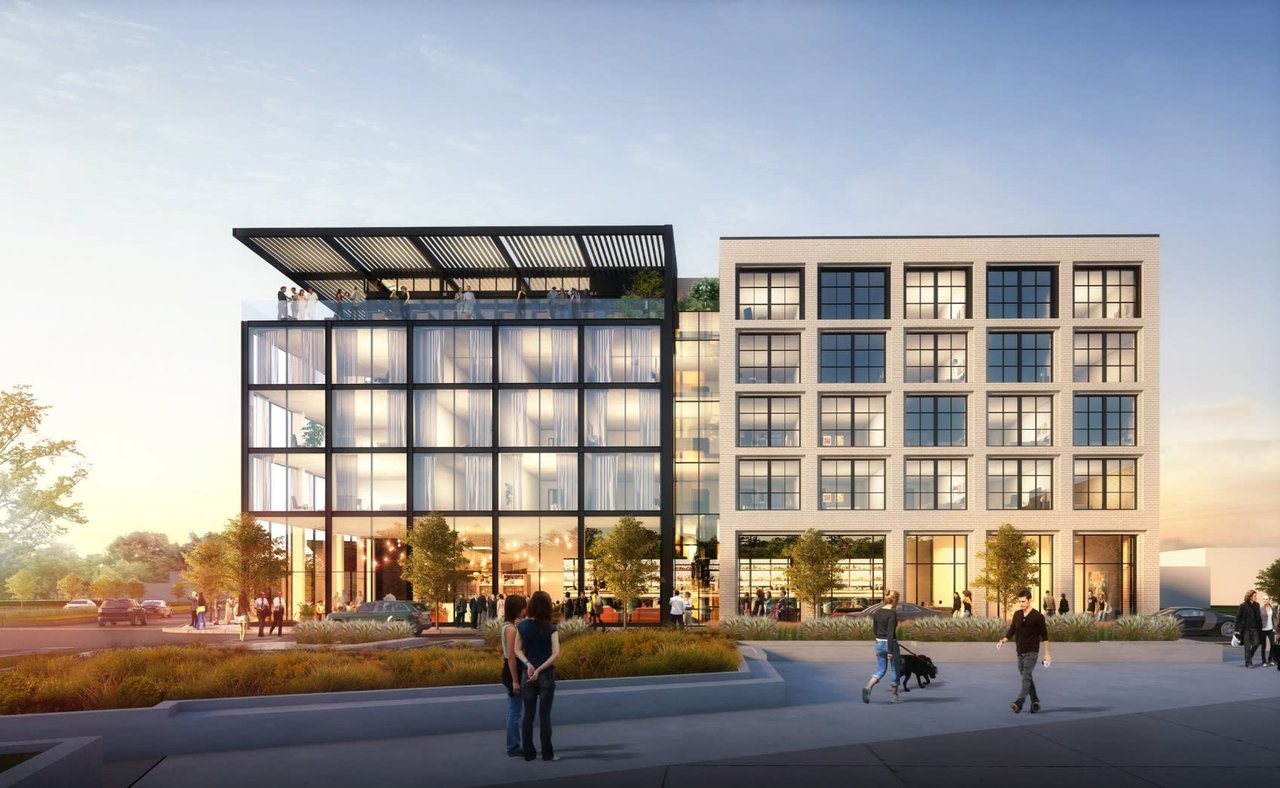
Fort Worth passed a million people. As of the Census Bureau’s latest estimates the city has 1,028,117 residents, which makes it the tenth largest city in the United States. That happened quietly, the way most things here happen, and it changes the math for anyone buying.
I want to give you an honest version of what the growth is, what it brought with it, and what it has done to the cost of owning something here — including the part that shows up every October in an envelope from the appraisal district.
You’ll see Fort Worth called the fastest-growing city in the country. That was true in some years; it isn’t the current picture, and the accurate version is more useful anyway.
Between July 2024 and July 2025 the city added 19,512 residents. That’s the second-largest numeric gain of any city in the country, behind Charlotte. By percentage Fort Worth doesn’t crack the top fifteen — that list is dominated by much smaller places, including Celina up the road at almost 25% in a single year, which is what happens when a town of a few thousand adds a few thousand more.
So Fort Worth isn’t growing explosively. It’s growing steadily, at scale, and it has been for a long time. For a buyer, that distinction matters. Explosive percentage growth in a small suburb tends to mean new rooftops, thin comparable sales, and values that depend on the next phase selling well. Steady absorption into an established city of a million means deeper sales data, more stable pricing, and neighborhoods whose character is already set.
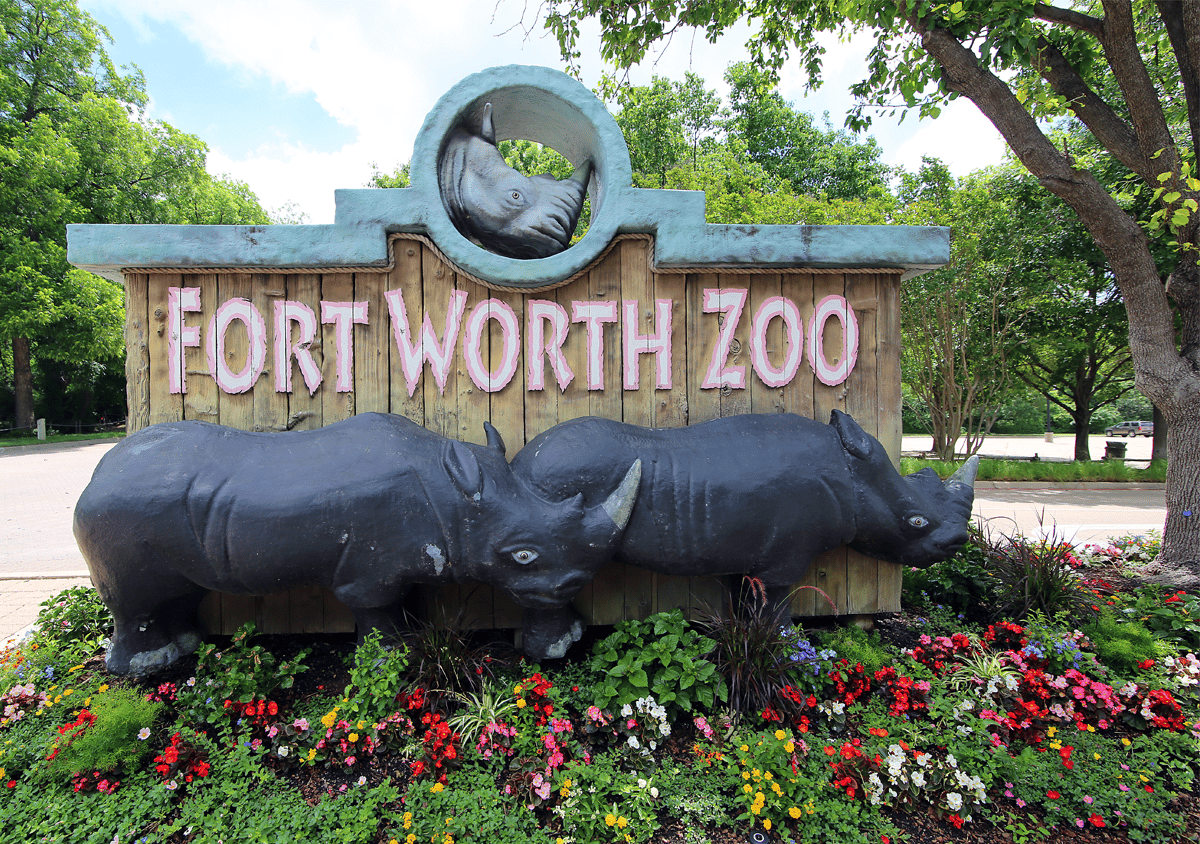
The Cultural District is the part of Fort Worth that surprises people who haven’t spent time here. The Kimbell, the Modern, and the Amon Carter sit within walking distance of each other, which is an unusual concentration for a city this size. The Zoo and TCU anchor the same general area.
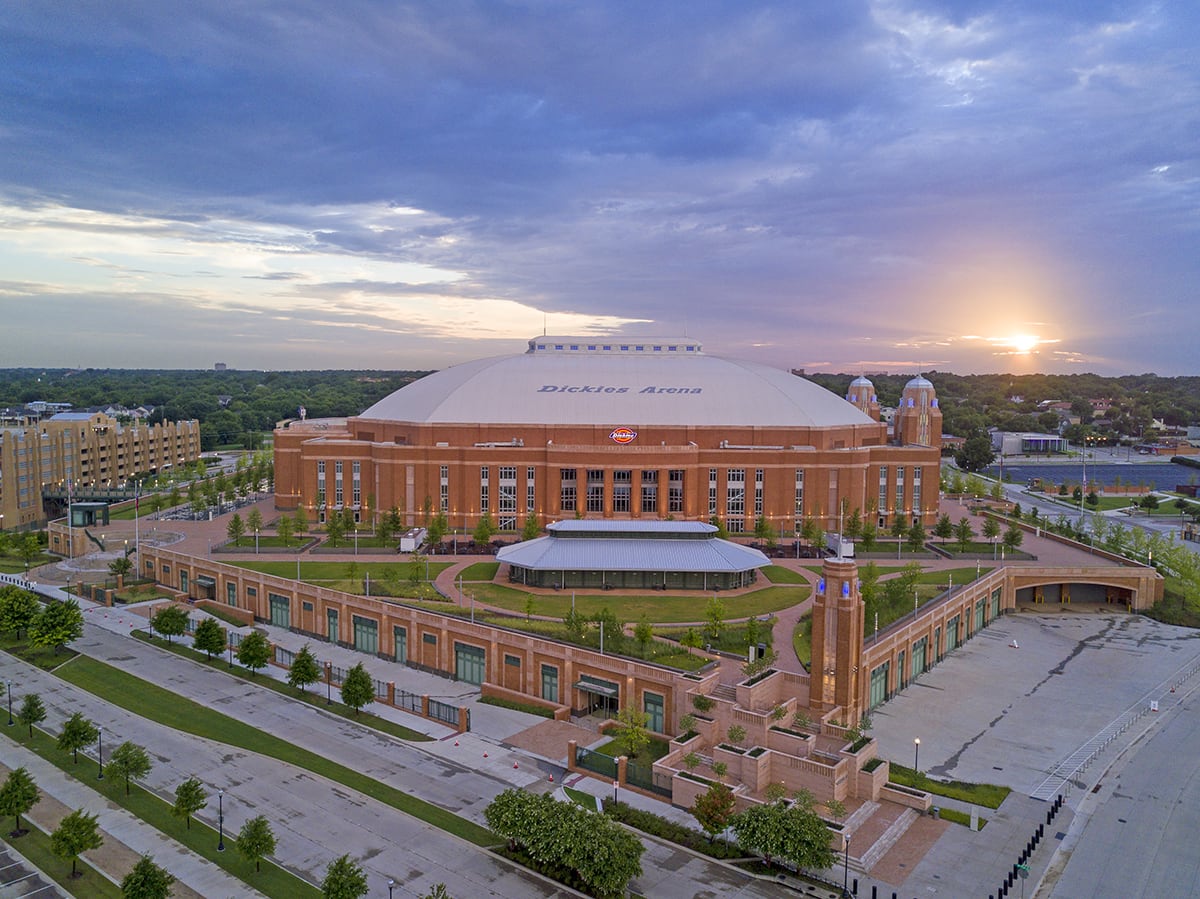
Dickies Arena, which opened in 2019, has turned into one of the busiest venues of its size in the country, and the booking range is genuinely broad — bull riding one week and a stadium act the next. The Crescent Hotel gave the Cultural District a hotel that locals actually use, which is rarer than it sounds.
The restaurant scene has gotten materially better, and not just larger. Tim Love has been the anchor here for years, and the arrivals since have raised the ceiling rather than simply adding seats.
None of that is why you’d buy a house. It’s why people who move here tend to stay, which is what eventually shows up in values.
Here’s where I’m more useful than a general enthusiasm piece. I’m a Certified Residential Appraiser as well as a broker, and a meaningful share of my phone calls are from homeowners asking for help protesting their assessed value. I see what the growth did from that side.
Rising values are pleasant when you’re selling and expensive when you’re staying. Texas has no state income tax, and property tax carries the load instead — so when values climb the way they have here, longtime residents on fixed incomes feel it first and hardest. That has been the real cost of this growth, and for several years the state talked about it more than it did anything about it.
That finally changed, and if you’ve been running on old information you should update it.
In 2025 the legislature passed and the governor signed a package of relief, and on November 4, 2025 Texas voters approved the constitutional amendment behind it with about 79% of the vote. The headline items:
Roughly $50 billion was committed to property tax relief in that session. It is the largest change to this in a long time and it is a real reduction for most homeowners.
Now the appraiser’s footnotes, which is where people get surprised.
The exemption applies to school district taxes. School taxes are the largest line on most Tarrant County bills, so this is meaningful — but the city, the county, the hospital district and the college district each set their own rates and their own exemptions. Your total bill doesn’t fall by anything like the full percentage you might expect from the headline.
It reduces what you’re taxed on, not what you’re worth. Your assessed value can still rise. The exemption subtracts from the taxable base; it doesn’t cap appreciation. The separate 10% annual cap on homestead assessed-value increases is what limits the climb, and it’s a different mechanism.
You have to have the homestead exemption on file. I still find owners — usually people who bought recently — who never filed. If you closed in the last couple of years, check. It’s free, and it’s the single largest thing most homeowners can do about their bill.
Growth is not free. Longtime residents in neighborhoods that appreciated fastest are being priced out by the tax bill rather than the mortgage, which is a particularly frustrating way to lose a house you already own. Traffic has gotten worse. Some of the character that brought people here is being renovated out of the neighborhoods that had it.
And buying here is harder than the national headlines suggest, because the competition is uneven. The desirable pockets move quickly; other areas sit. A market average tells you almost nothing about the six blocks you’re actually shopping.
The advantage Fort Worth still has is that it’s a city of a million people that hasn’t finished acting like a smaller one. You can get into the Cultural District, downtown, or an established neighborhood at numbers that would be impossible in a comparably sized city elsewhere.
What I’d tell you to do is what I’d do myself: look at the tax bill alongside the price, not after it. Two homes at the same price in different districts, with different exemption histories, are not the same monthly obligation, and the difference compounds for as long as you own.
That’s the kind of thing I check before my clients write an offer, because I spent fifteen years valuing property in this market before I ever listed one.
Call or text (682) 207-4310, or send me a note. Happy to look at a specific neighborhood with you.
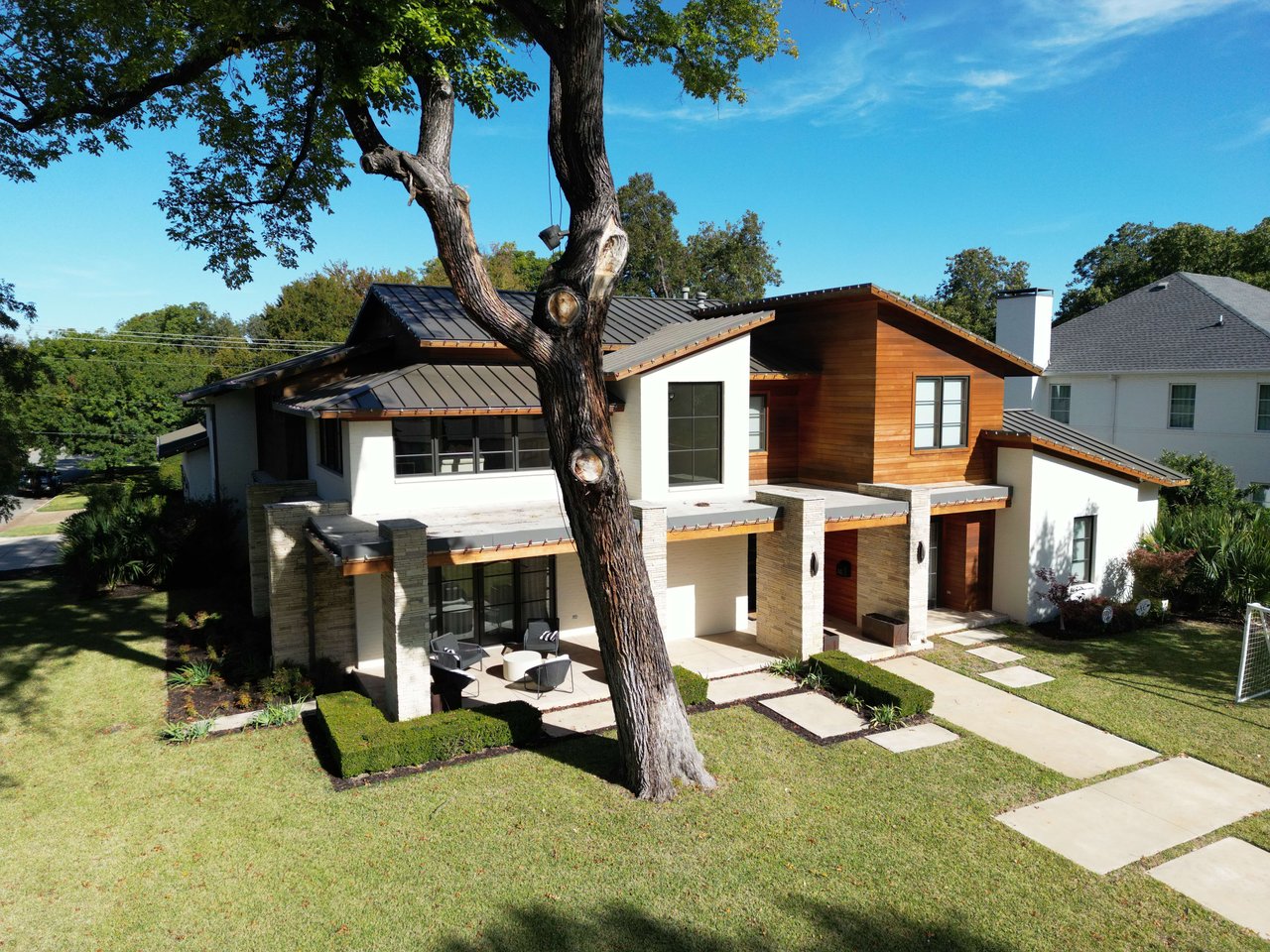 Tanglewood
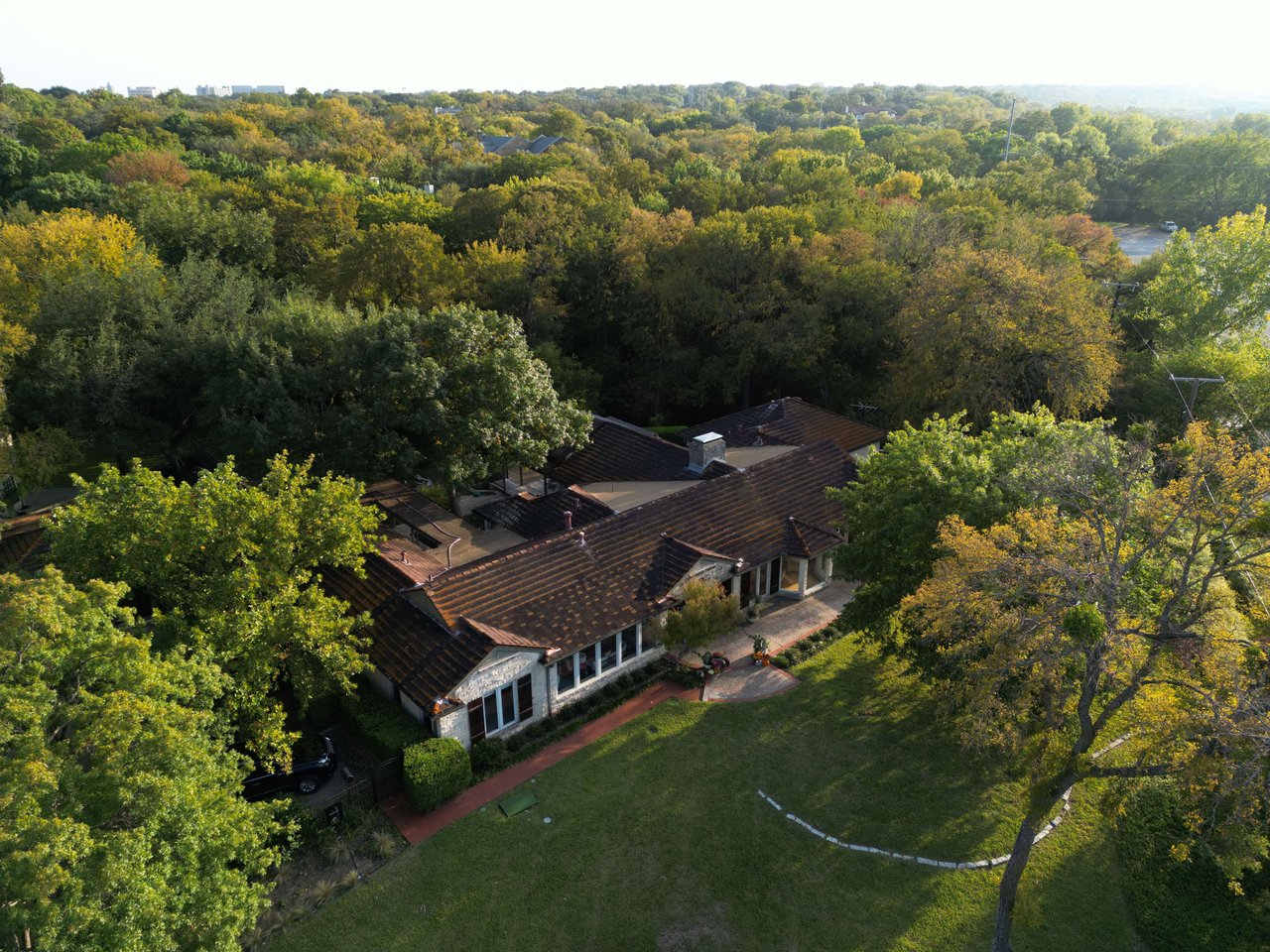 Crestwood
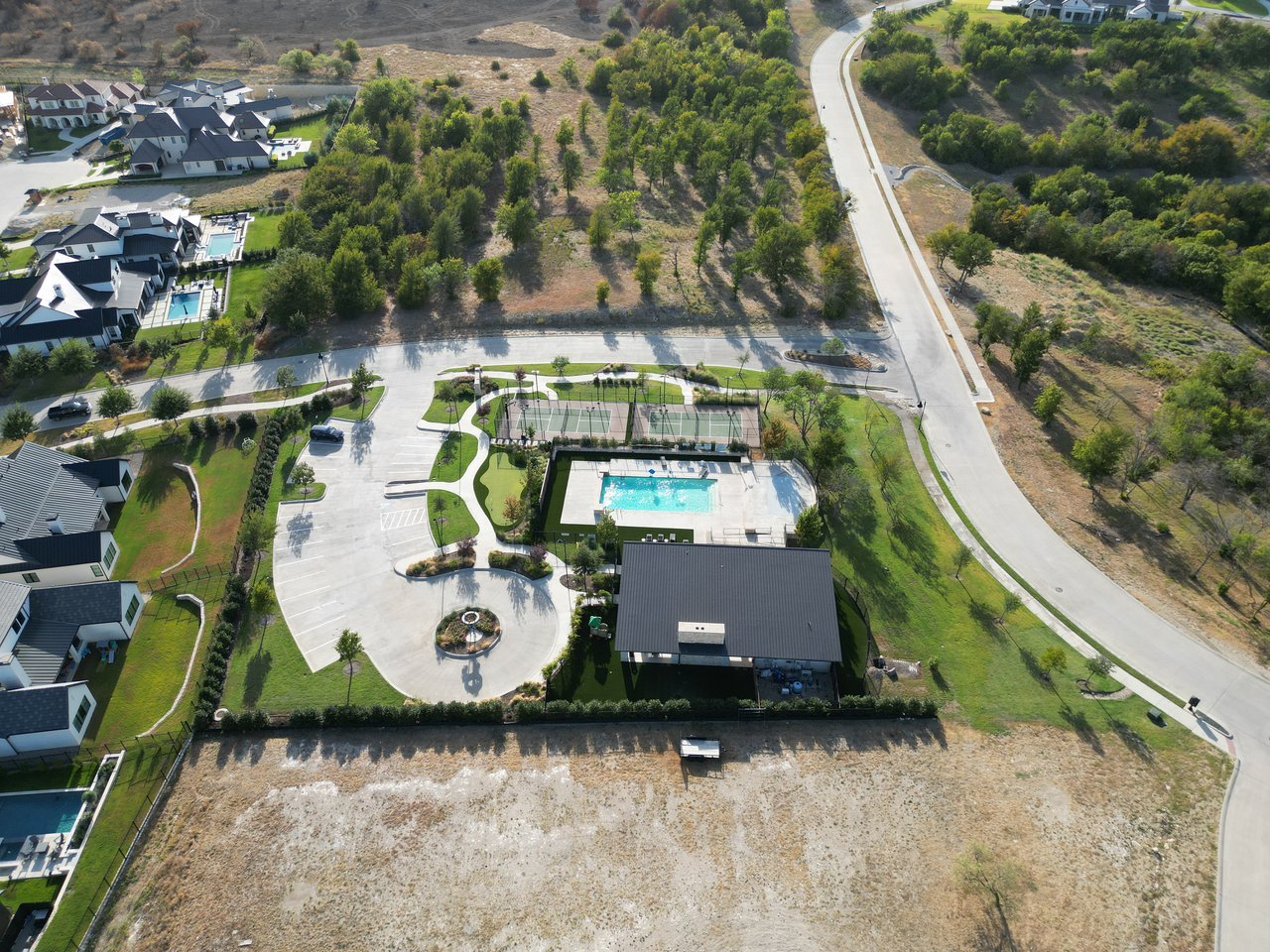
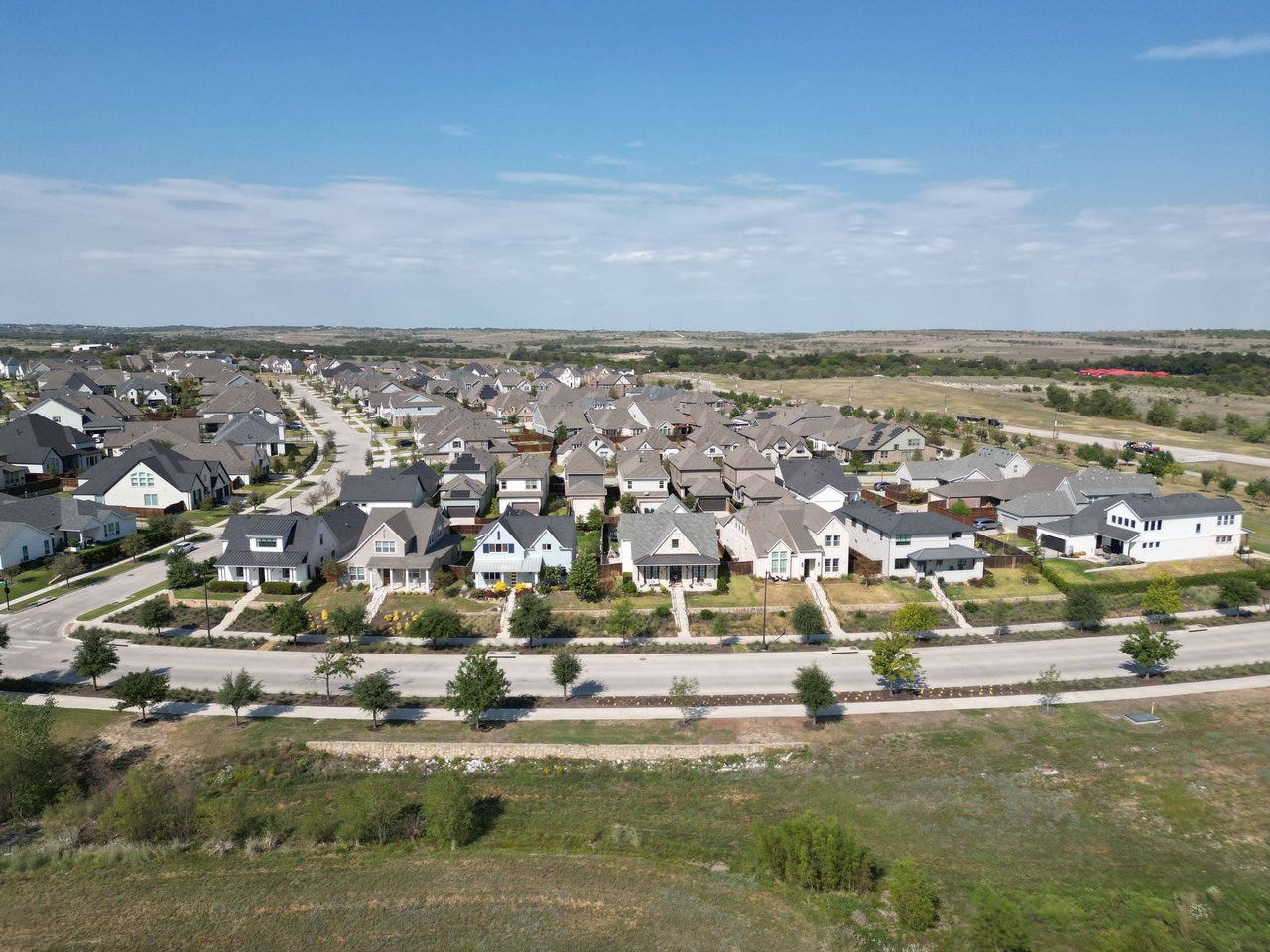 Walsh Ranch
 Montserrat / Montrachet
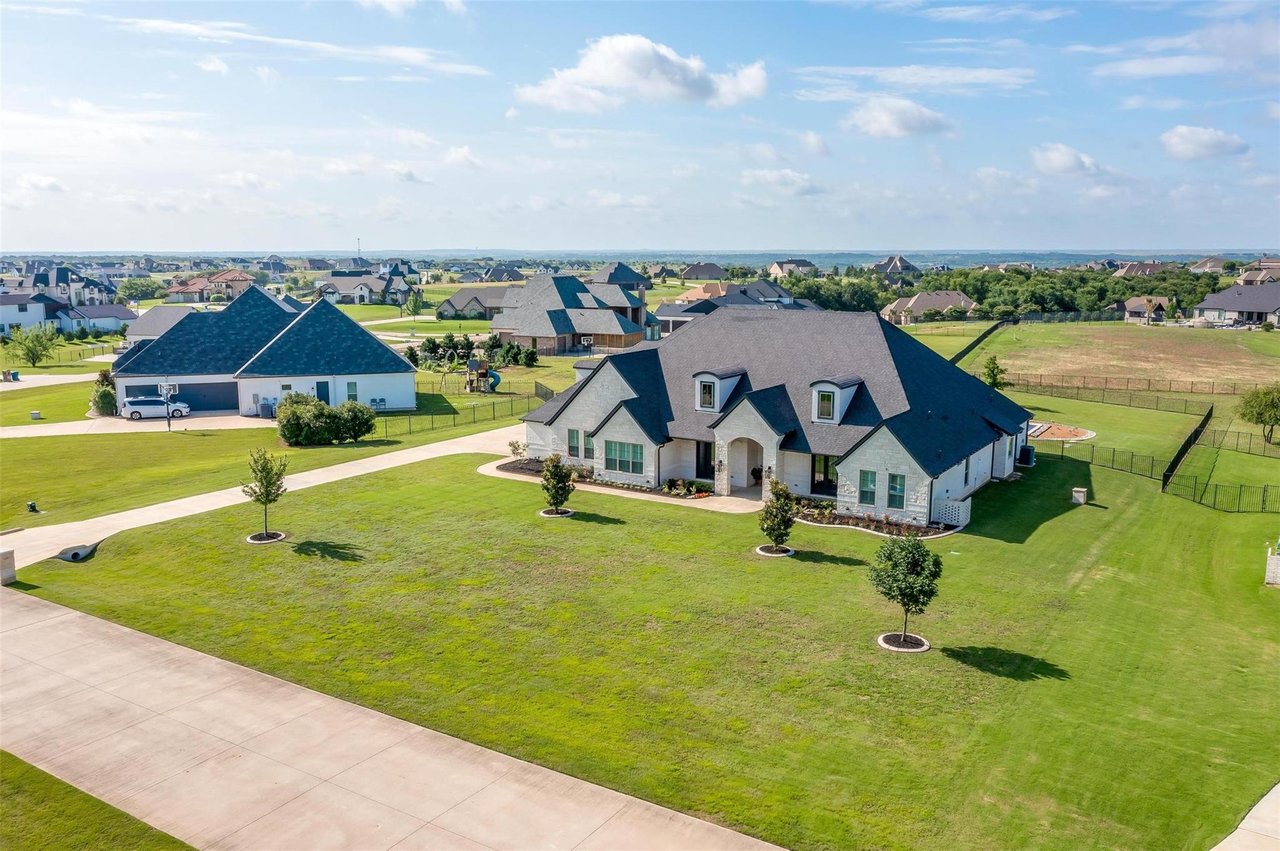 Bella Flora
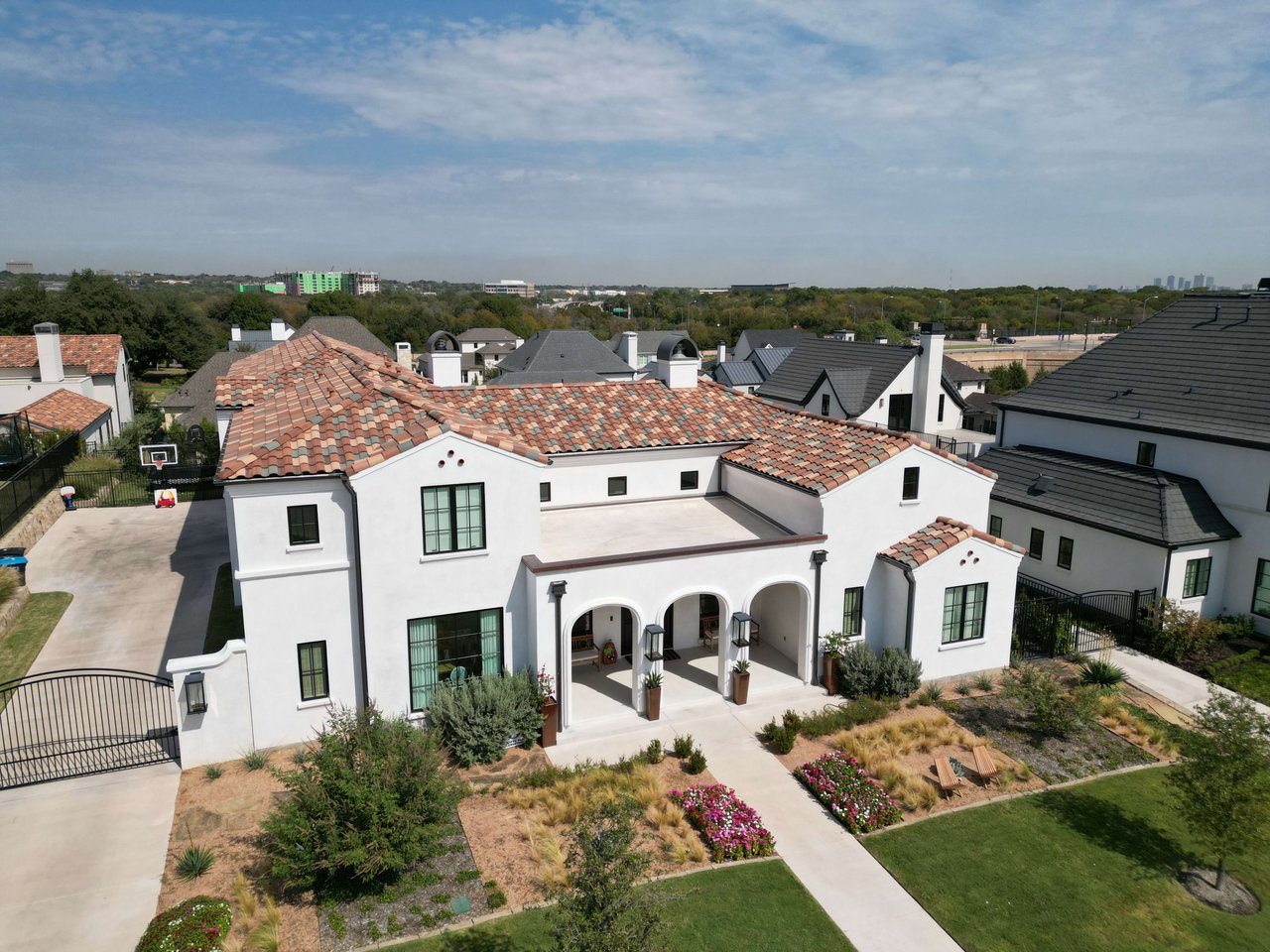 Edwards Ranch Riverhills
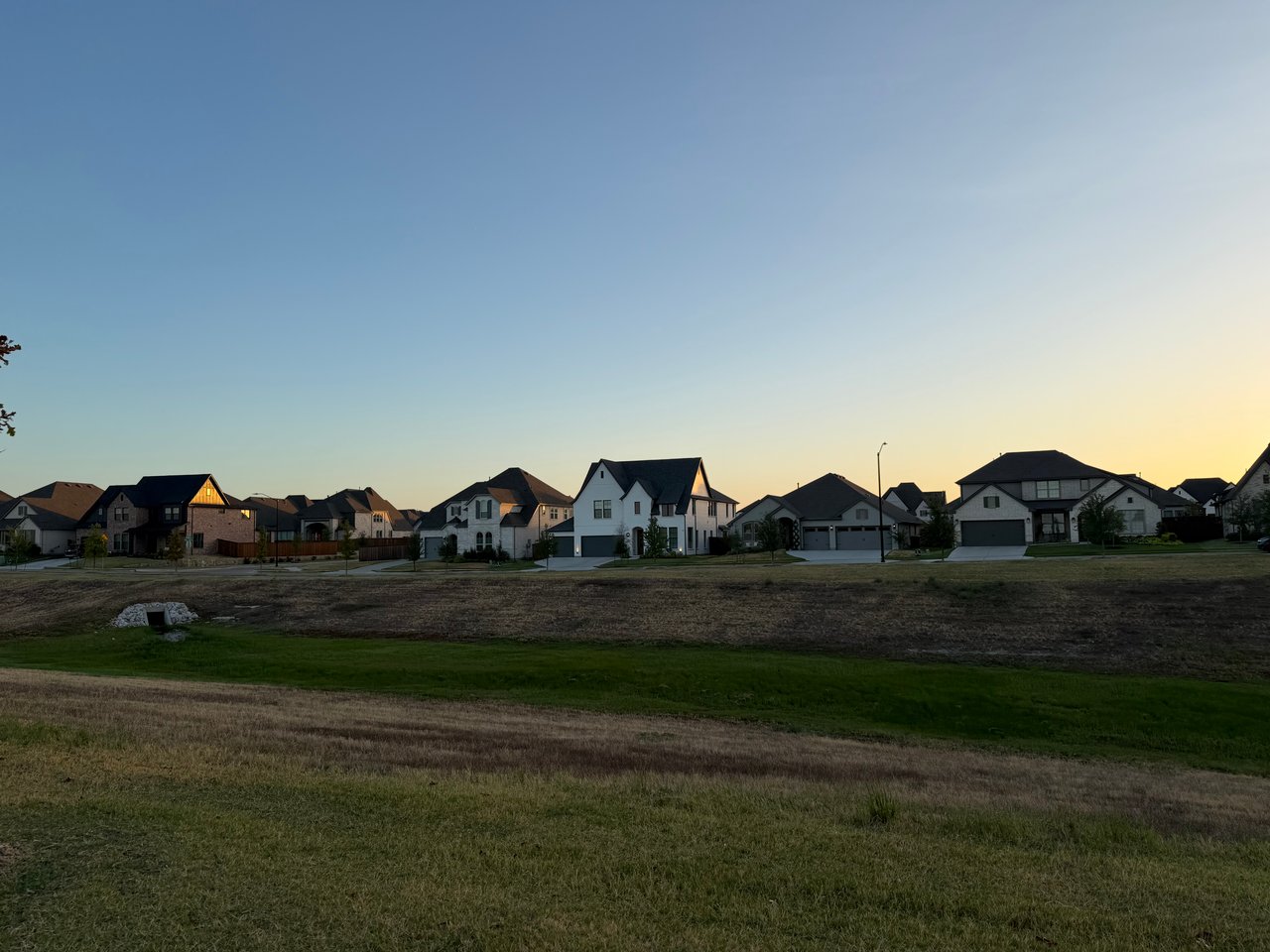 Tavolo Park
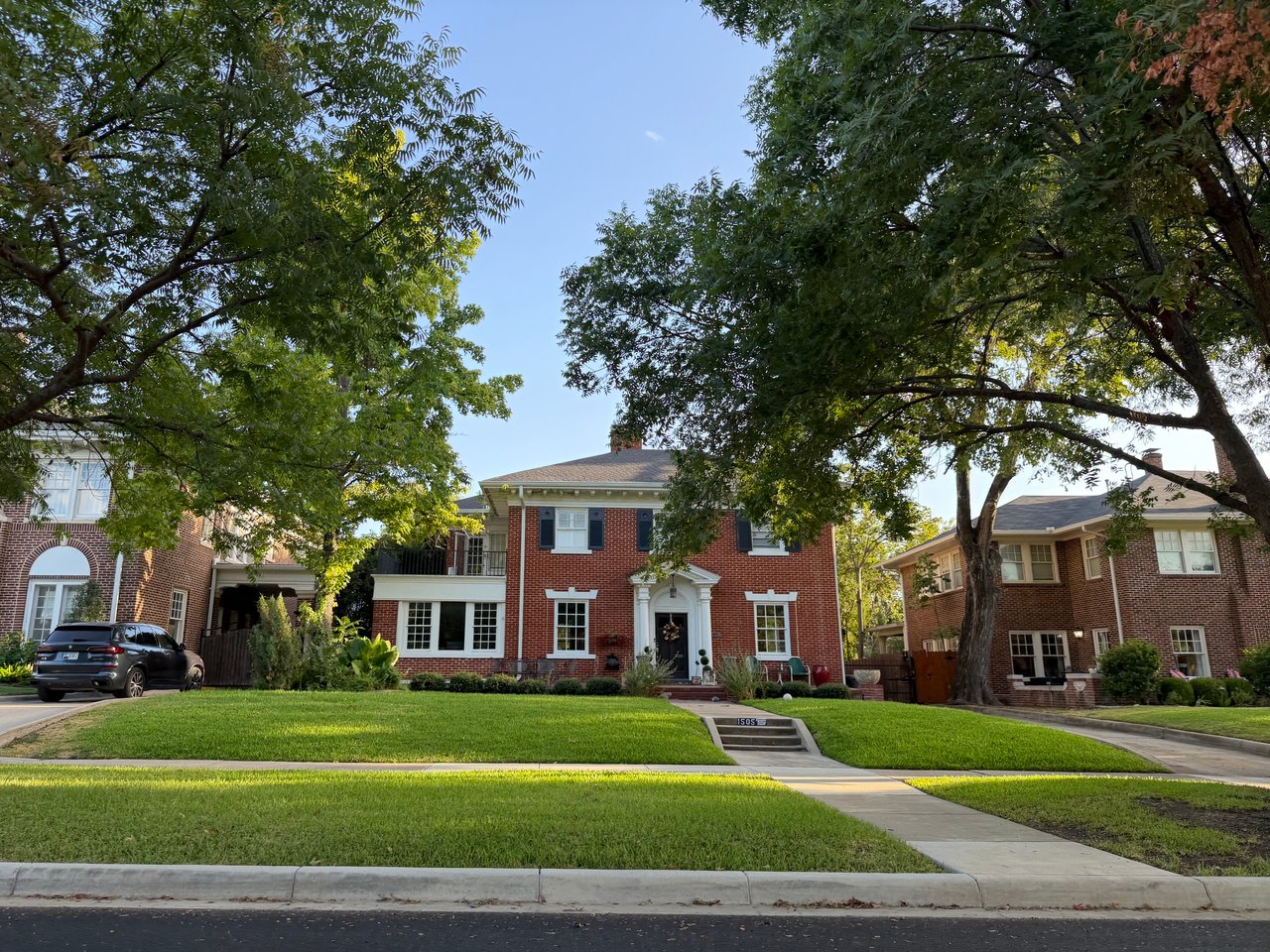 Ryan Place
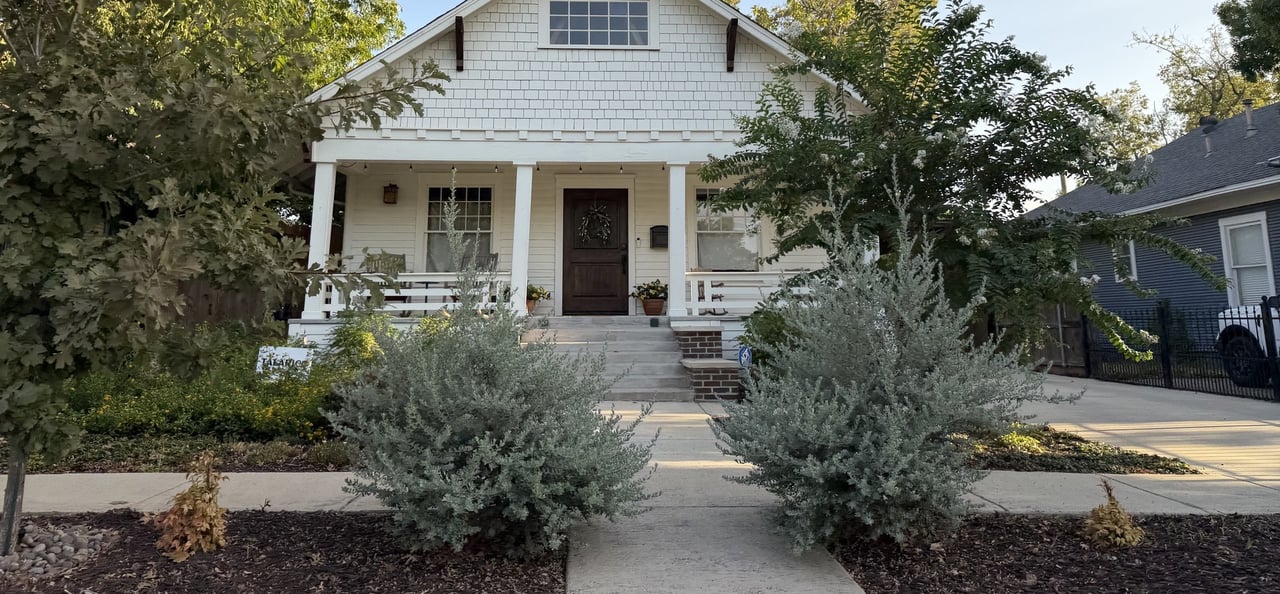 Fairmount
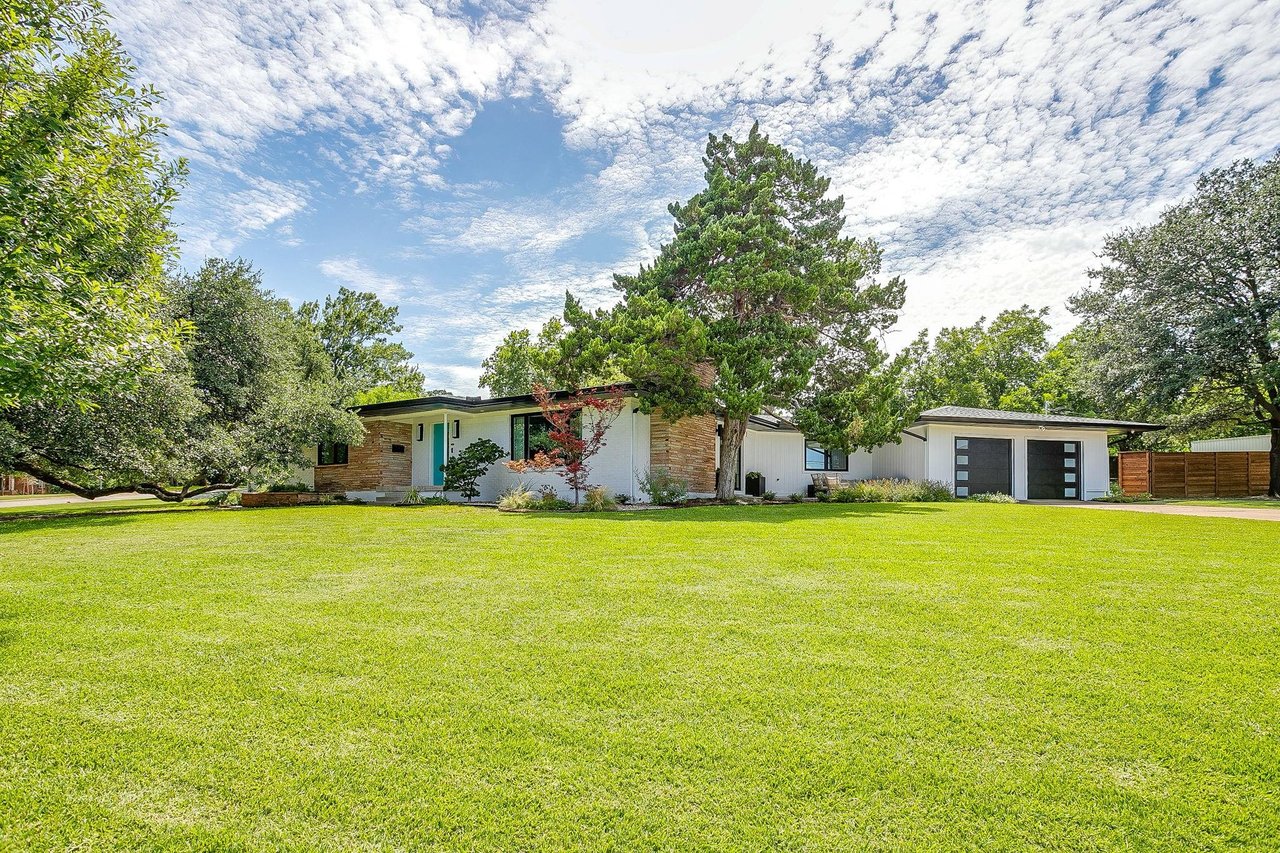 Ridglea
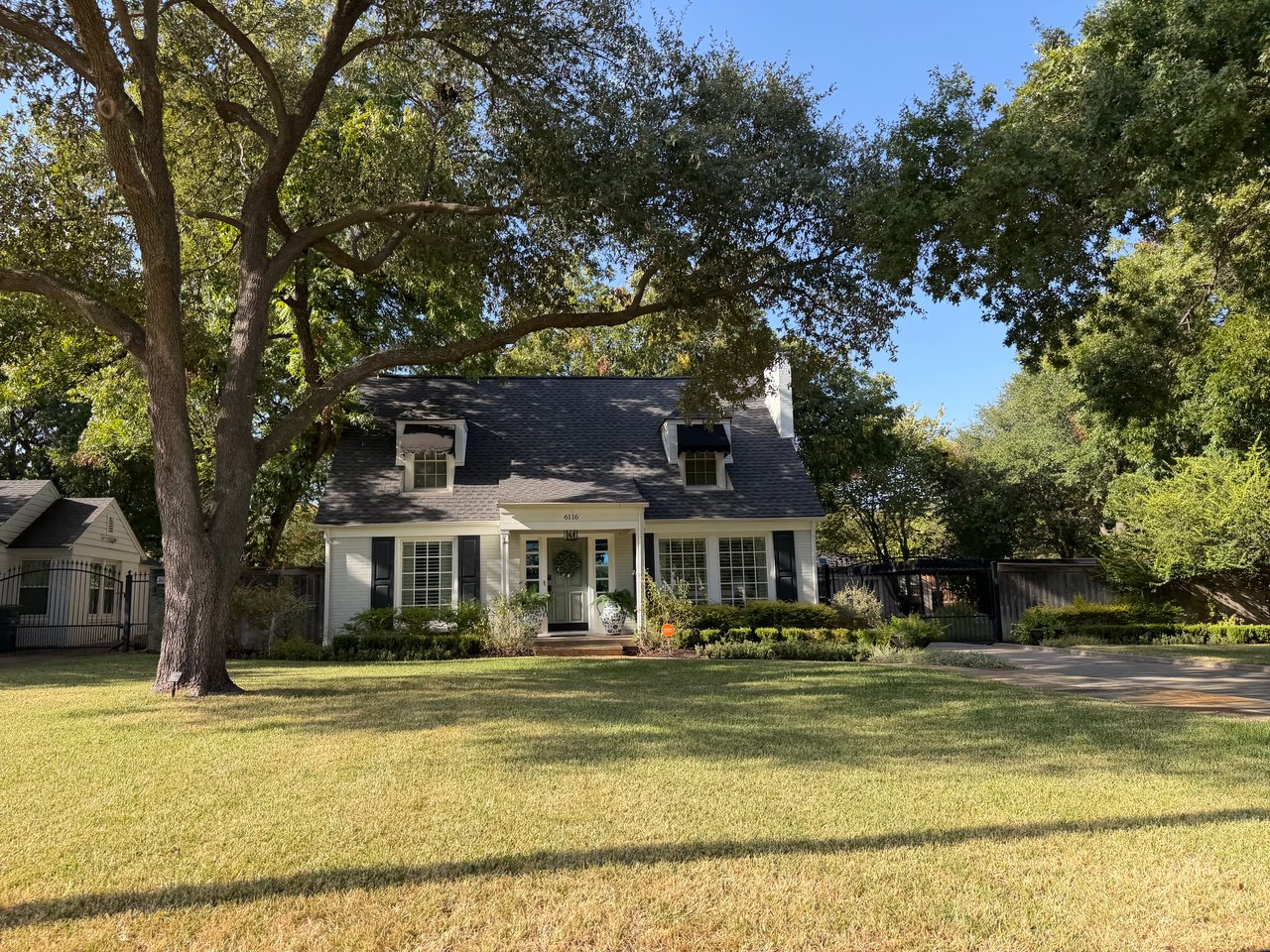 Ridglea North
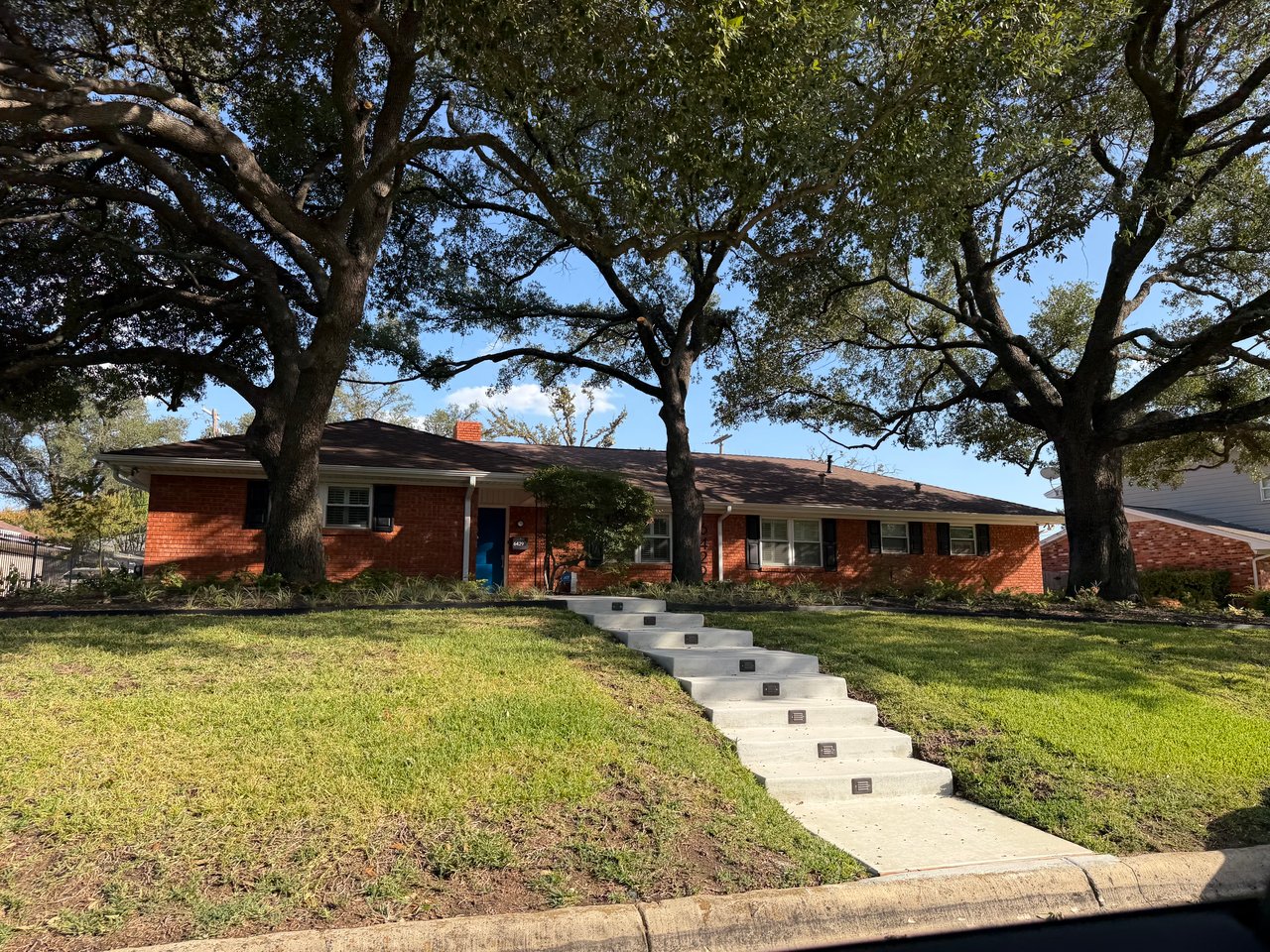 Ridgmar
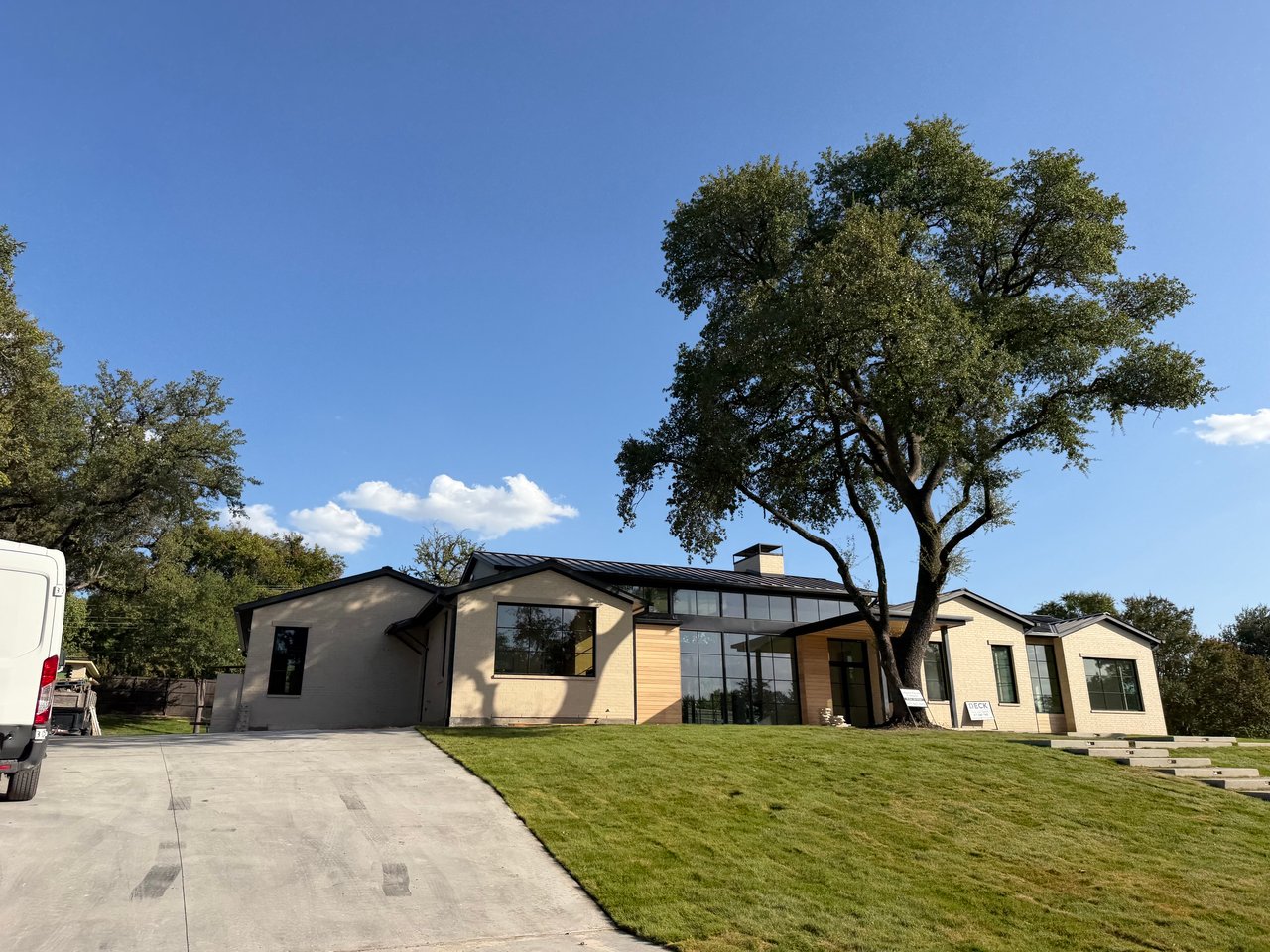 Westover Hills
Rivercrest Bluffs & River District
Westover Hills
Rivercrest Bluffs & River District
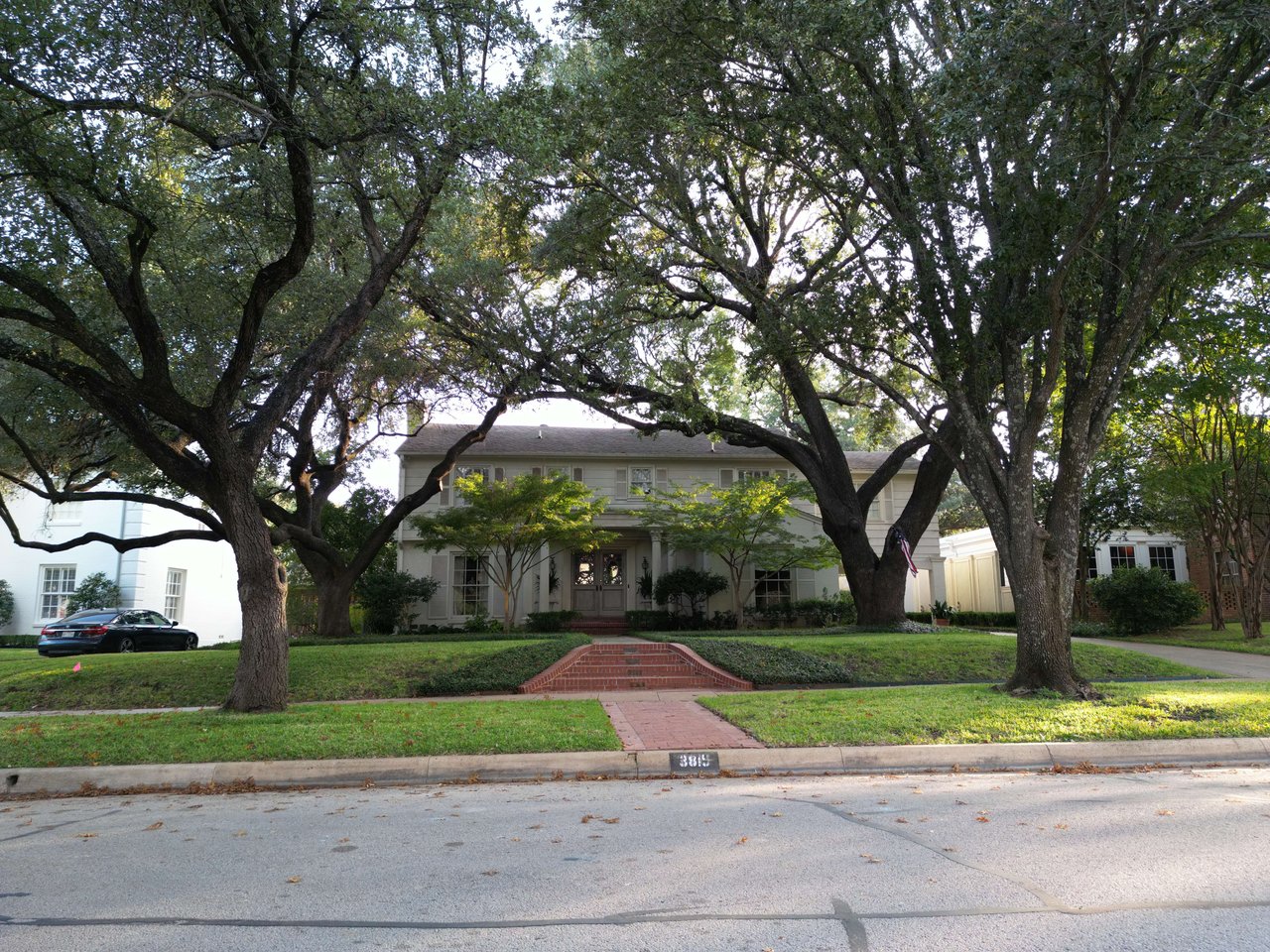 Rivercrest, Monticello & North Hi Mount
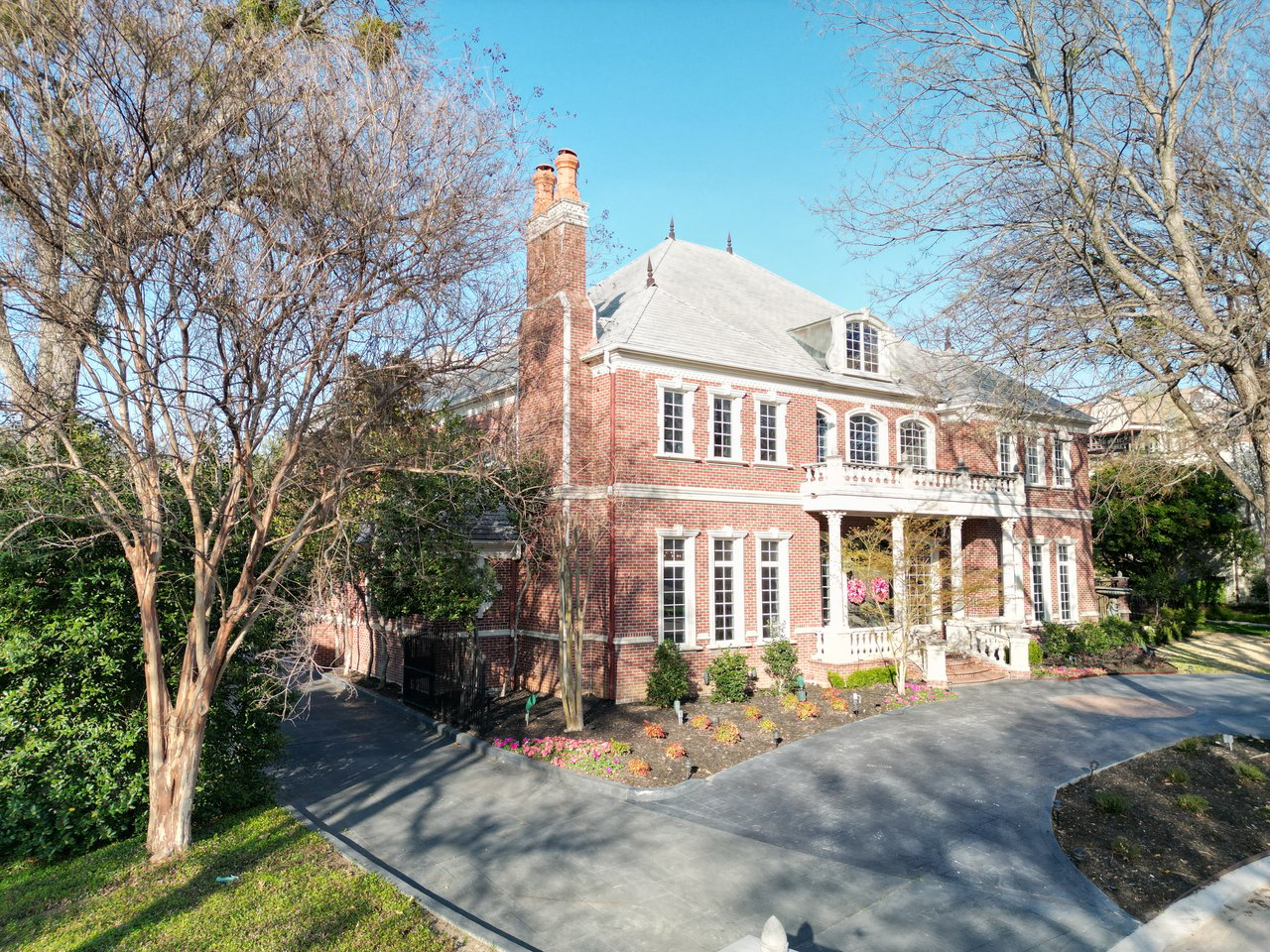 Mira Vista
Overton Park
Overton Woods
Westcliff
Arlington Heights
Benbrook
Ventana
Downtown
Linwood
Eagle Mountain & Marine Creek
Beltmill & Watersbend
Heritage & Alliance
Presidio & Tehama Ridge
Wedgwood
North Richland Hills
Hurst
Euless
Bedford
Grapevine
Westlake
Keller
Southlake
Colleyville
Arlington
Burleson
Crowley
Mansfield
Kennedale
Aledo
Weatherford
Azle
Granbury
Springtown
Cleburne
Joshua
Godley
Alvarado
Ponder
Krum
Waxahachie
Midlothian
Poolville
Decatur
Justin
Mira Vista
Overton Park
Overton Woods
Westcliff
Arlington Heights
Benbrook
Ventana
Downtown
Linwood
Eagle Mountain & Marine Creek
Beltmill & Watersbend
Heritage & Alliance
Presidio & Tehama Ridge
Wedgwood
North Richland Hills
Hurst
Euless
Bedford
Grapevine
Westlake
Keller
Southlake
Colleyville
Arlington
Burleson
Crowley
Mansfield
Kennedale
Aledo
Weatherford
Azle
Granbury
Springtown
Cleburne
Joshua
Godley
Alvarado
Ponder
Krum
Waxahachie
Midlothian
Poolville
Decatur
Justin
Stay up to date on the latest real estate trends.

H-E-B is coming to Chisholm Trail and Oakmont in late 2028. I measured six North Texas stores to find out what that does to home values. It doesn't — but it changes ho… Read more
Home Improvement
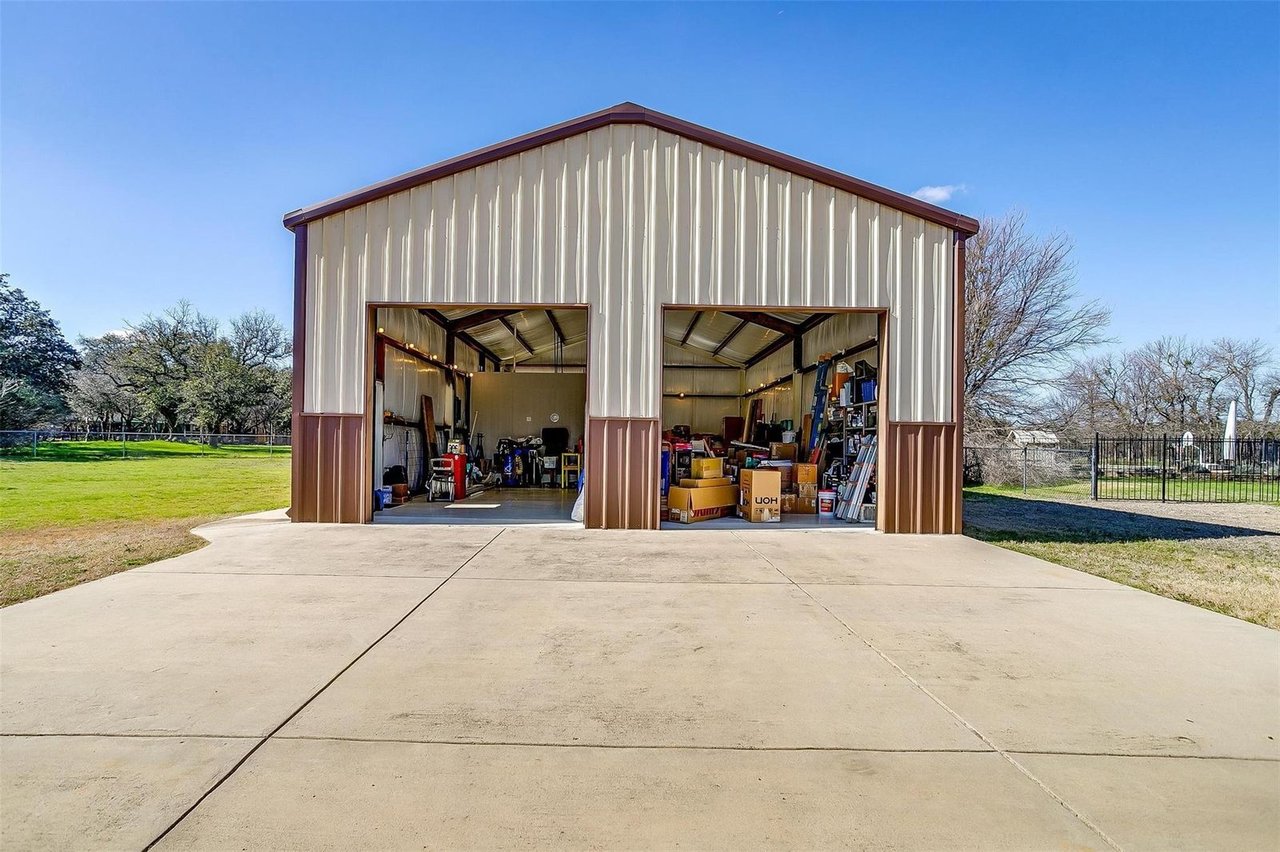
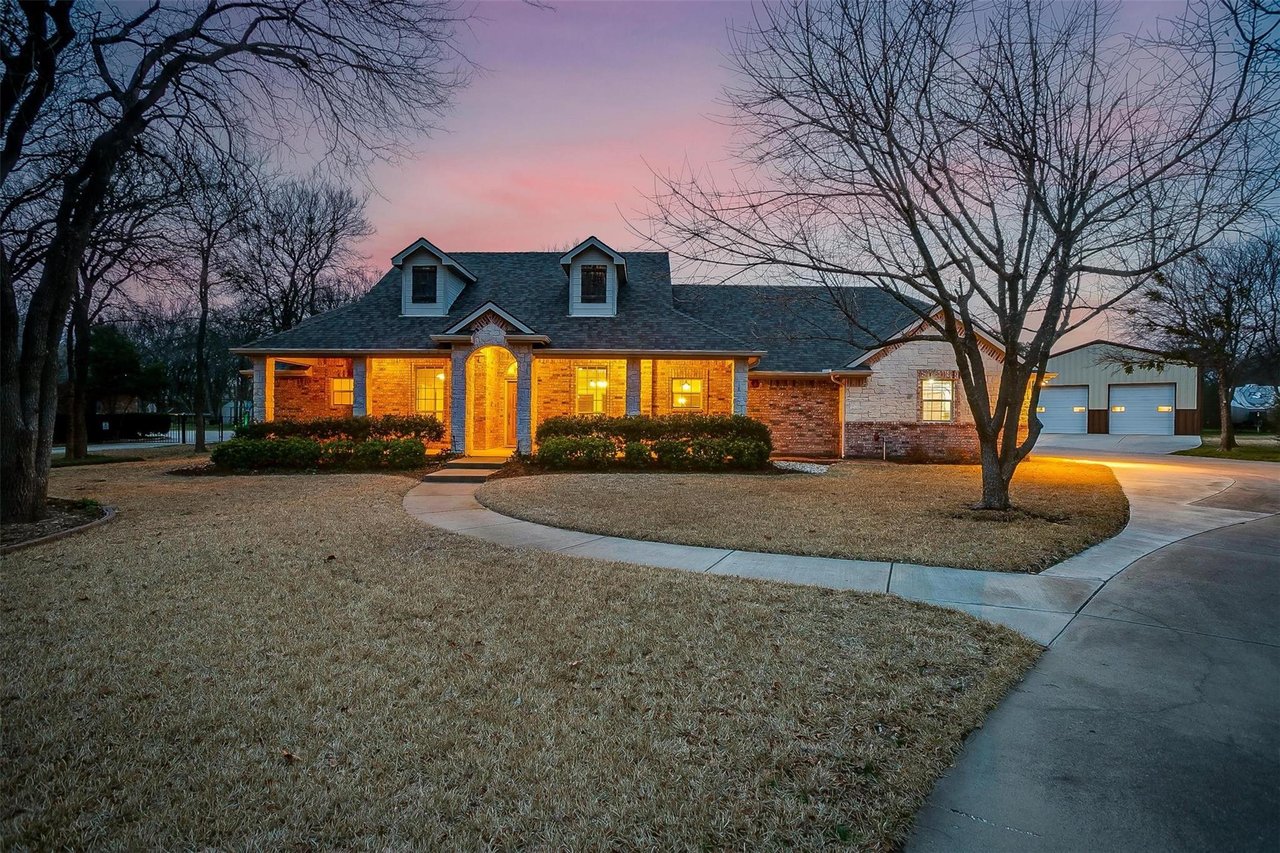
A shop with electricity adds about 6% of the sale price. The same building without power adds 2.6% — the same as a storage shed.
Home Improvement
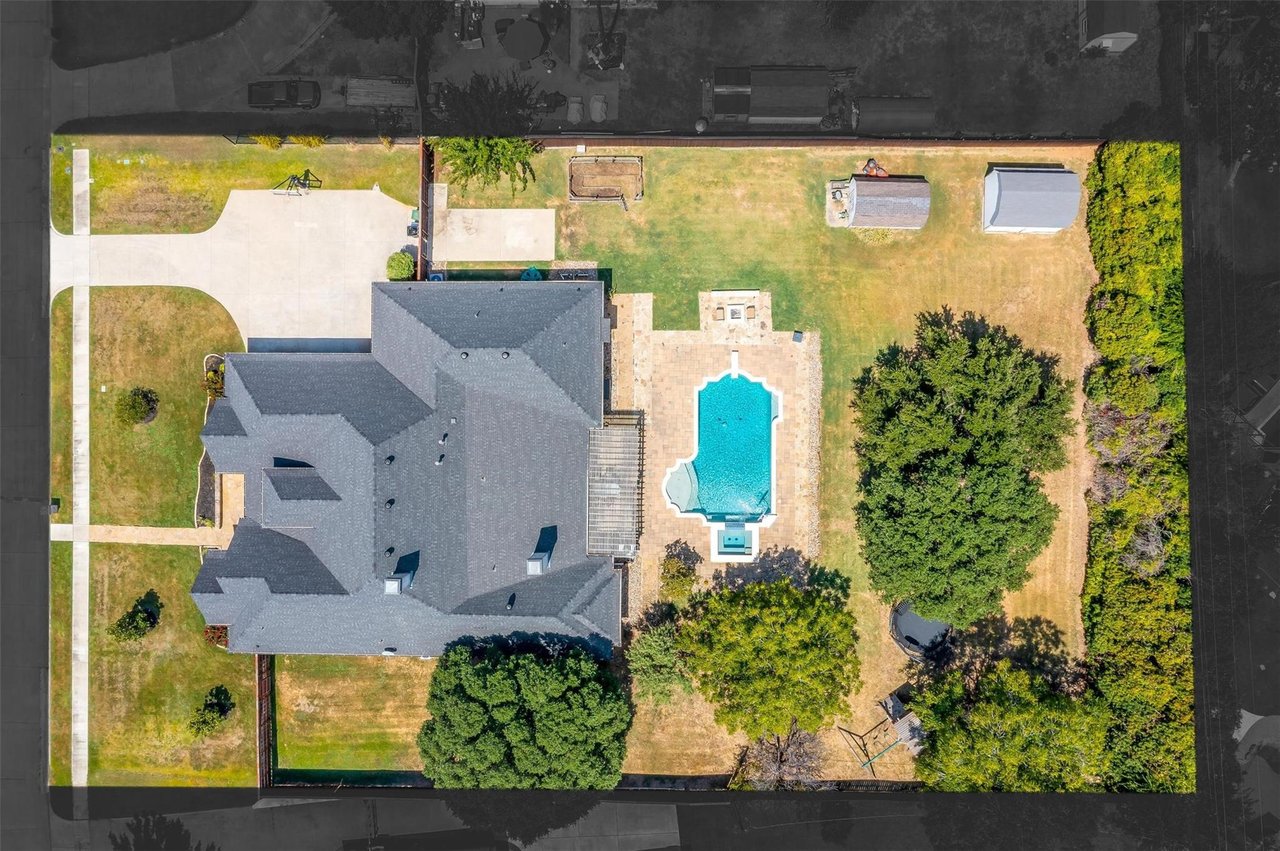
2,002 accessory units measured. Having one adds about 7% — and how big it is adds nothing, so build the smallest one that does the job.
Seller Resources
Your old days on market follow you until you've been gone 30 days — then they vanish completely. 16,465 relisted DFW houses measured.

Home Improvement
About 9% of your price almost regardless of neighborhood — half to all of what one costs to build. And they sell eight days faster.
Buyer Resources
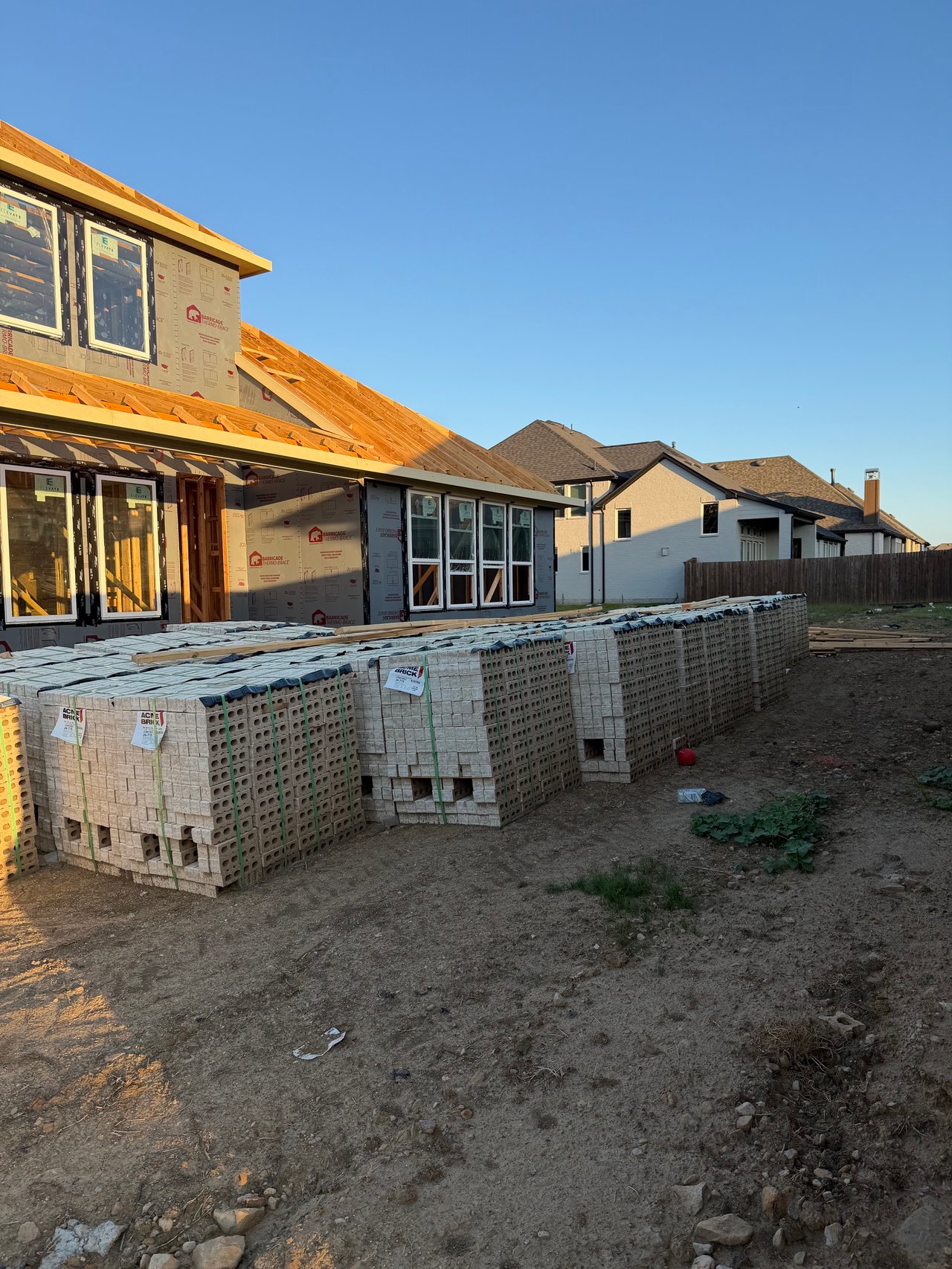
On a new build the listed tax is the vacant lot's bill, and it roughly quadruples in year two — about $526 a month on a $450,000 house.
Buyer Resources
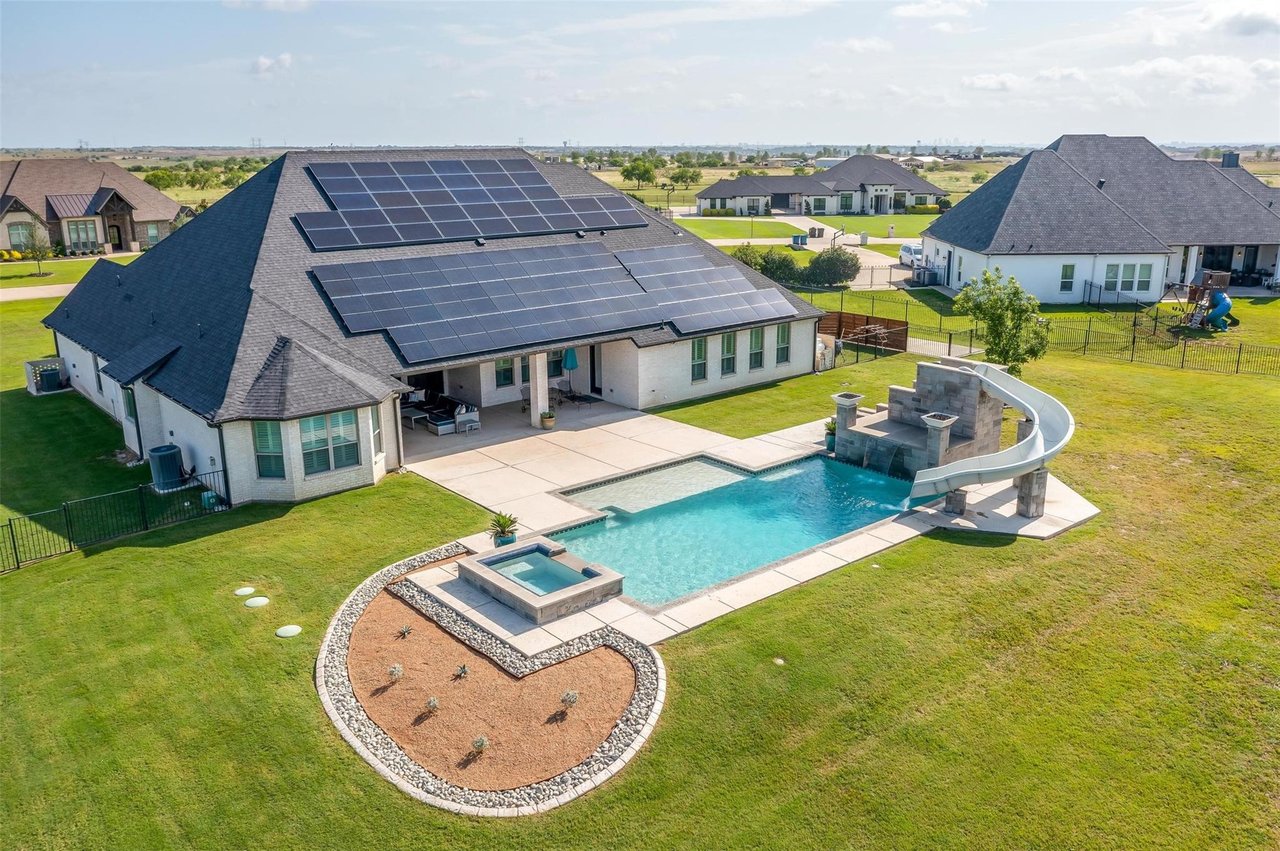
Owned panels add about 3%. Leased panels add nothing — and a listing that doesn't say which gets priced like a lease.

Seller Resources
Your twenty acres are not worth ten times your neighbor's two. Per-acre price falls about a quarter every time a tract doubles.
Owner Resources
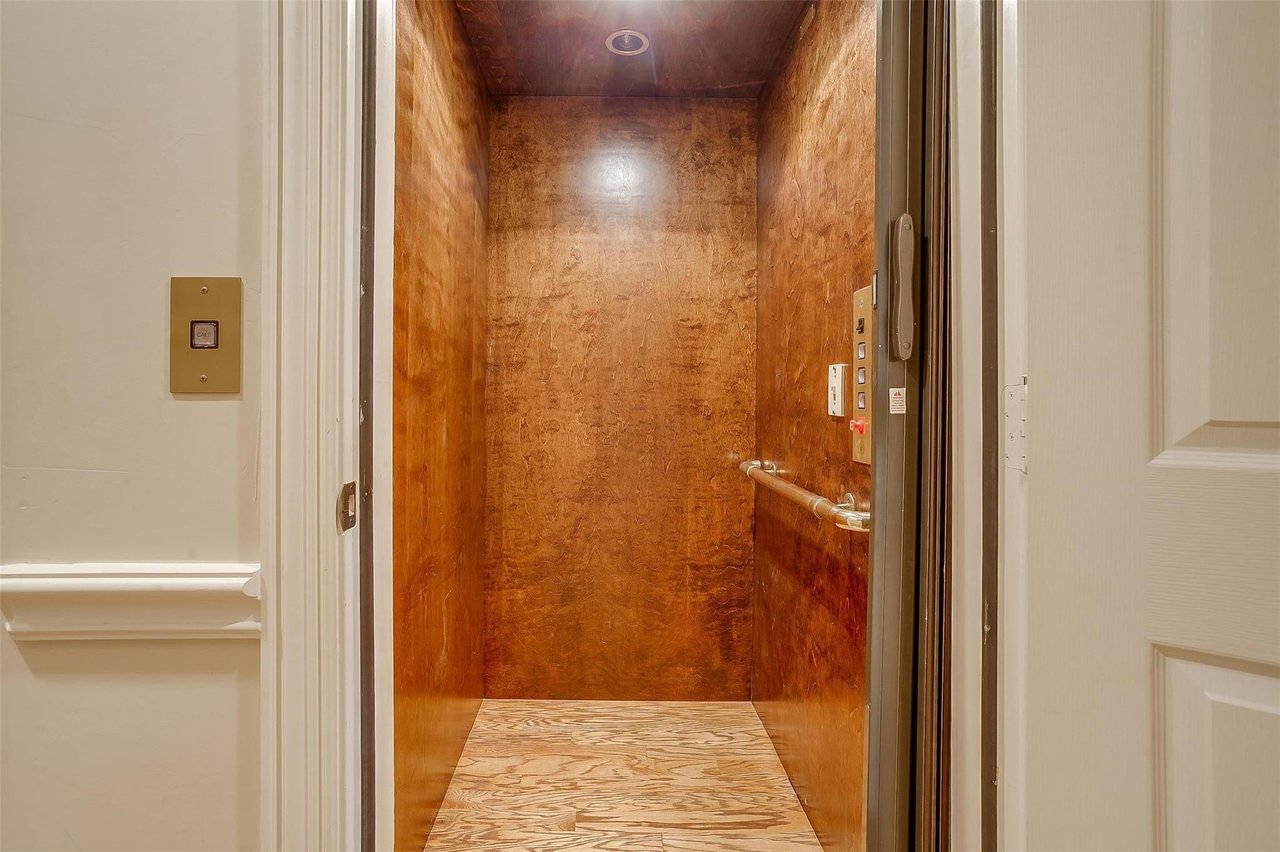
I listed one in North Richland Hills that sold in nine days at 99% of asking. The elevator wasn't why — and 121 sales out of 89,302 show why not.
I've trained three appraisers in this market, and every figure on this blog comes from closed sales I pull and model myself. The same analysis, applied to one address.