Before You Write an Offer on a Condo, Ask for These Five Things
Buyer Resources
Buyer Resources
Buying a condo is not buying a house with less yard. You’re buying a unit and a share of a building, and the second half is where the money is. Most of what matters sits in documents you have a right to see — and a narrow window in which to read them.
Below is what that means in practice: first a little about this market, then the five things I ask for on every condo my clients look at.
Small, concentrated, and unusual in one specific way.
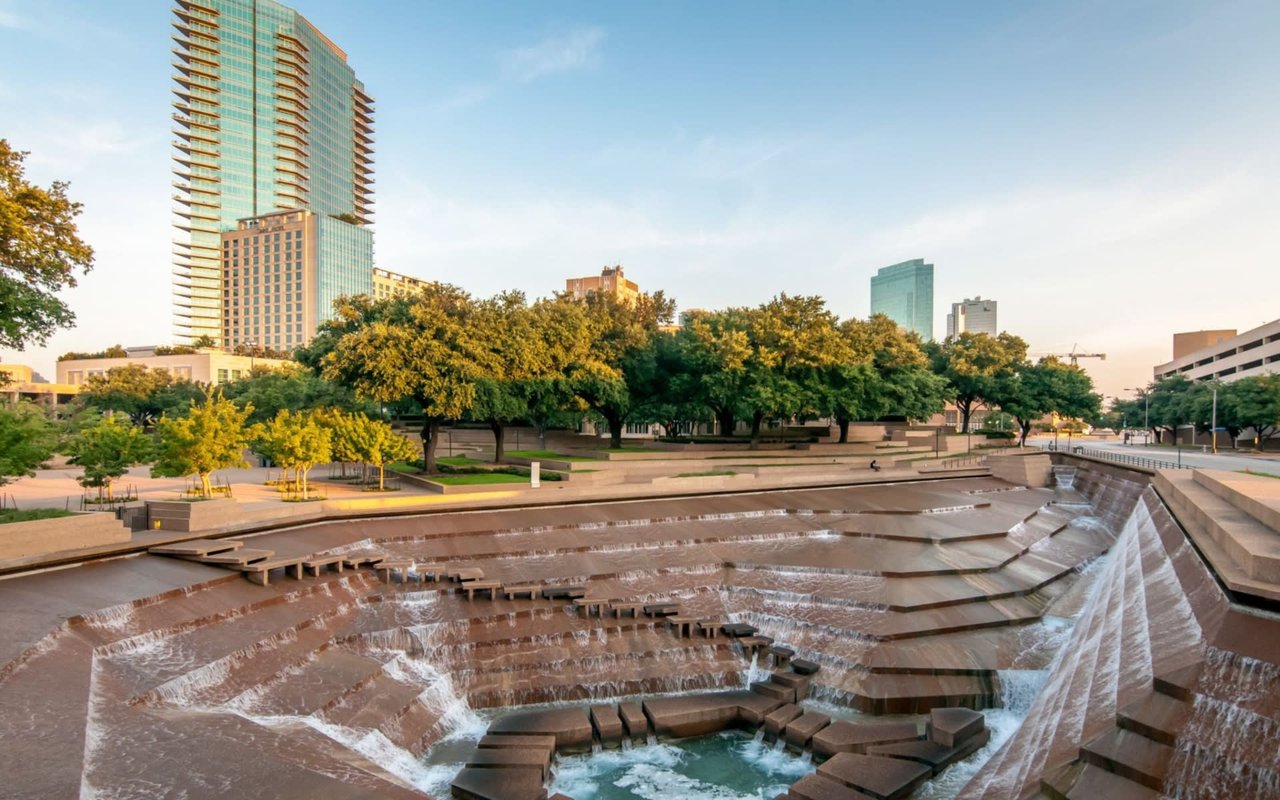
Most cities this size built their condos as condos. A lot of Fort Worth’s weren’t. A meaningful share of what you’ll look at downtown and around the Cultural District is a conversion — an early-twentieth-century commercial building, a department store, a bank tower, turned into residences decades later.
That changes what you should worry about, and the listing won’t tell you.
A conversion is a mix of ages, and the mix is the part you can’t see. A good one replaces a great deal — the windows usually go, because original commercial glazing won’t meet residential energy and egress requirements, and the mechanical, electrical and plumbing inside the units are typically new. What doesn’t change is the structure: the frame, the foundations, the exterior masonry, the shafts they run through. And some things are a coin toss. Elevators may have been modernized at conversion or may be original equipment with a new cab interior. The garage is often the one built for the original use, doing a job it was never designed for.
So the useful question isn’t “how old is the building.” It’s what was replaced at conversion and what wasn’t — and almost nobody asks it. The reserve study is where the answer lives, because a proper one lists each major component with its installation date and remaining life. That’s the difference between a building with a twenty-year-old roof and one with a ninety-year-old parapet behind it.
One small thing while you’re looking: check whether the year on the listing is when the building was built or when it was converted. Sometimes both dates appear, in different fields, decades apart.
The second thing worth knowing is timing. Much of Fort Worth’s condo inventory came to market inside a narrow window in the mid-2000s, right before the financial crisis. Buildings converted around the same time tend to reach the same points in their component life cycles around the same time — which is why several of them have been raising dues and levying assessments within the same handful of years.
And the market is small, which cuts two different ways depending on which unit you buy.
The common floor plans repeat many times over inside the same building. That gives you plenty of comparable sales — and plenty of competition, because when you sell there may be ten identical units listed alongside yours, and the only lever any of you has is price. It’s the main reason “count the competition” made this list.
The unusual units have the opposite problem. A penthouse, a corner unit, a combined unit, an odd layout — those might have traded twice in a decade. Thin comparable data makes a unit harder to value, harder to appraise for a lender, and slower to sell, because nobody involved has a confident answer to what it’s worth. Distinctive is lovely to live in and awkward to price.
And in a conversion, the gap between those two categories is usually wider than the square footage suggests. Old commercial buildings have deep floor plates — sensible for a department store, awkward for apartments. The interior units come out long and narrow with a single bank of windows at one end, while the corner units get glass along two walls. On paper that difference might be a couple of hundred square feet, which reads as a modest size adjustment and nothing more.
Which is the trap, and it’s worth stating plainly: the comparable that misleads you isn’t the one that looks different. It’s the one that looks close. A big adjustment invites somebody to check it. A small one quietly says these are nearly the same property — right when the two units differ most in the thing no pricing grid has a line for.
So if you’re buying, don’t shop by floor plan and square footage alone — go stand in the actual unit, at a time of day when you’d normally be home. And if you’re drawn to the corner unit, understand you’re paying a premium the raw price-per-square-foot math won’t explain, and that you’ll need to find a buyer who feels the same way about it when you sell.
None of that is a reason not to buy. It’s a reason to ask different questions than you’d ask about a house.
This is the part most buyers get wrong, and it’s why the list below is yours to work through rather than something you can delegate.
A reasonable person assumes the professionals have it covered. The appraiser values it, the inspector checks the condition, the lender reviews the project. Here is what those three actually do.
The appraiser is looking at your unit and at what comparable units in that building have sold for. On a conventional loan the project questionnaire — typically Fannie Mae Form 1076 — is completed by the association or its management company and returned to the lender. The appraiser often never sees it. When an appraisal comes in at the contract price, it means the unit is consistent with its neighbors. It does not mean anyone examined the building.
The inspector is also looking at your unit. Texas sets the scope, and it’s narrower than most buyers expect: an inspection is a limited visual survey, the inspector isn’t required to examine anything buried, hidden or concealed, and on multi-family property the standards specifically allow skipping what belongs to another unit or another building. More to the point, the standards state an inspector may not determine the life expectancy or age of a system or component. Remaining life is the number that decides what this building costs you — and the person you hired to evaluate condition isn’t permitted to give it to you. I’ve also never met an inspector who evaluates the waterproofing membrane under the pool deck as part of a unit inspection. It isn’t the engagement or the scope.
The lender is checking eligibility against that form — a document in which the association describes itself, in checkboxes, with nothing requiring it to attach the study or the budget.
So in a normal condo purchase, nobody looks at the building. The only people who ever do are the reserve study preparer and whatever engineer the association hires, and both of them report to the board.
Here’s the flip side, and it’s genuinely good news. Texas gives you the right to demand documents nobody else in the transaction can require. On the one thing that determines what this building costs you over the next ten years, the buyer is better positioned than every professional involved. That only helps if the buyer reads them.
Texas requires the association to disclose the current operating budget, the amount held in reserves for capital expenditures, and what portion of those reserves is already earmarked for specific projects.
Most buyers skim it. Go straight to the reserve figure and compare it to what the association’s own reserve study says it should be. That gap is the single best predictor of where your dues are headed. A well-funded building with high dues is safer than an underfunded one with low dues, and it isn’t close.
Ask whether there is one and when it was done. As of August 2026, Fannie Mae requires a reserve study completed or updated within three years of the loan application for condo project approval, and no longer accepts baseline funding. A stale study isn’t just an information gap now — it’s a financing problem, which shrinks your buyer pool when you go to sell.
Worth knowing what’s coming, too: for loan applications dated on or after January 4, 2027, the minimum reserve allocation under a full project review rises from 10% to 15% of the budget. Buildings currently budgeting at the old minimum have a little over a year to close that gap, and the money comes from somewhere.
The current figure tells you almost nothing. The trajectory tells you everything. Steady increases with the occasional step mean a board doing its job. Flat for years in an older building usually means somebody is deferring — and deferred maintenance doesn’t go away. It gets billed later, with interest.
There’s a reason to care about this beyond general prudence. When I went back through fourteen years of sales in five Fort Worth buildings, the converted high-rises converged on roughly the same cost per square foot to run, regardless of who was managing them or how the boards differed. That number appears to be set by concrete, elevators, insurance and time rather than by anybody’s decisions. A building charging well under it usually isn’t cheaper. It’s earlier. And the owners holding units when it catches up are the ones who pay for the years before they arrived.
Not “is one pending” — what has happened over the last ten years, and for what. One assessment tells you the building has costs. A pattern tells you the reserves aren’t keeping up. And assessments can be large: I’ve seen a Fort Worth building levy ten dollars per square foot after a freeze, which is over twelve thousand dollars on an average two-bedroom.
Ask whether wind and hail carries a separate deductible, and whether it’s a flat dollar amount or a percentage of insured value. On a high-rise those are very different numbers. Then ask what the master policy covers versus what your own HO-6 has to pick up. Most owners find out after a loss.
There’s a financing angle here as well. For loan applications dated on or after July 1, 2026, Fannie Mae caps the allowable master-policy deductible at $50,000 per unit. A building carrying more than that has an eligibility problem, which becomes a resale problem for every owner in it.
Count the competition. How many units with your floor plan are for sale right now, and how many sold in the last twelve months? If more are listed than the building sells in a year, you’re buying into a line — and you’ll be standing in it again when you sell. I’ve looked at buildings where a dozen units of a single floor plan were on the market at once, with most of them asking less than the same plan traded for a decade earlier.
Walk the parking space. From the car to the door, carrying something. Two units with identical square footage and identical dues can be very different properties depending on where the space sits. It’s permanent, it affects resale, and it appears in no listing field anywhere.
In a building that only sells a few units a year, buyers end up anchoring to what’s listed, because that’s what’s visible. Be careful with that.
An asking price isn’t a value. It’s a ceiling — almost nobody asks less than they’d take. So a unit that sits unsold is evidence that value is below the ask, and the longer it sits the stronger that gets. A listing that was withdrawn or cancelled is stronger evidence still: it’s a number the market was shown and declined. And the same unit listed, cancelled, relisted lower and cancelled again is the most informative of all — that’s the market saying no three times, at three different numbers.
Read listings as a ceiling and they’re useful. Read them as a value and you can be wrong by a very wide margin.
I bought a condo myself at thirty, a few years into working as an appraiser. I didn’t ask for a reserve study. Not because I didn’t know what one was — I knew exactly what one was — but because I wasn’t in an analytical frame of mind that week. I was excited. It felt like I’d gotten somewhere.
That’s the version of this that actually costs people money, and it’s worth naming, because it isn’t an information problem. The buyers most likely to skip the documents aren’t careless or uninformed. They’re having one of the better weeks of their year, and slowing down feels like manufacturing a reason to be unhappy. I understand the feeling. I’d still make the request.
All of it happens inside your option period. The worst outcome isn’t finding a problem — it’s closing without knowing there was one.
If you want the longer version of why the dues trajectory matters more than the dues themselves, I went back through fourteen years of sales across five Fort Worth condo buildings and wrote up what I found. Read it here.
A condo purchase is a document problem as much as a property problem, and the documents arrive on a clock. If you want an agent who will sit down with the resale certificate and the reserve study rather than hand them to you in a PDF — and who will say plainly when the numbers argue for walking away — that’s the kind of representation The Bilodeau Group provides. (Legal questions about the declaration go to your attorney; that part isn’t my lane.)
I’m a licensed Texas broker and a Certified Residential Appraiser, which is why this article is about reserve schedules rather than countertops. In a purchase I’m acting as your agent, not as your appraiser — but the habit of reading a building the way an appraiser reads one comes with me. It’s the same attention I bring to any transaction where the complexity is hiding somewhere other than the price: estates and probate sales, divorce, partial interests, unusual properties, and anything where the comparable sales don’t tell the whole story.
Call or text (682) 207-4310, or send me a note. Happy to look at a specific building with you before you write anything.
 Tanglewood
 Crestwood
 Walsh Ranch
 Montserrat / Montrachet
 Bella Flora
 Edwards Ranch Riverhills
 Tavolo Park
 Ryan Place
 Fairmount
 Ridglea
 Ridglea North
 Ridgmar
 Westover Hills
Rivercrest Bluffs & River District
Westover Hills
Rivercrest Bluffs & River District
 Rivercrest, Monticello & North Hi Mount
 Mira Vista
Overton Park
Overton Woods
Westcliff
Arlington Heights
Benbrook
Ventana
Downtown
Linwood
Eagle Mountain & Marine Creek
Beltmill & Watersbend
Heritage & Alliance
Presidio & Tehama Ridge
Wedgwood
North Richland Hills
Hurst
Euless
Bedford
Grapevine
Westlake
Keller
Southlake
Colleyville
Arlington
Burleson
Crowley
Mansfield
Kennedale
Aledo
Weatherford
Azle
Granbury
Springtown
Cleburne
Joshua
Godley
Alvarado
Ponder
Krum
Waxahachie
Midlothian
Poolville
Decatur
Justin
Mira Vista
Overton Park
Overton Woods
Westcliff
Arlington Heights
Benbrook
Ventana
Downtown
Linwood
Eagle Mountain & Marine Creek
Beltmill & Watersbend
Heritage & Alliance
Presidio & Tehama Ridge
Wedgwood
North Richland Hills
Hurst
Euless
Bedford
Grapevine
Westlake
Keller
Southlake
Colleyville
Arlington
Burleson
Crowley
Mansfield
Kennedale
Aledo
Weatherford
Azle
Granbury
Springtown
Cleburne
Joshua
Godley
Alvarado
Ponder
Krum
Waxahachie
Midlothian
Poolville
Decatur
Justin
Stay up to date on the latest real estate trends.

H-E-B is coming to Chisholm Trail and Oakmont in late 2028. I measured six North Texas stores to find out what that does to home values. It doesn't — but it changes ho… Read more
Home Improvement
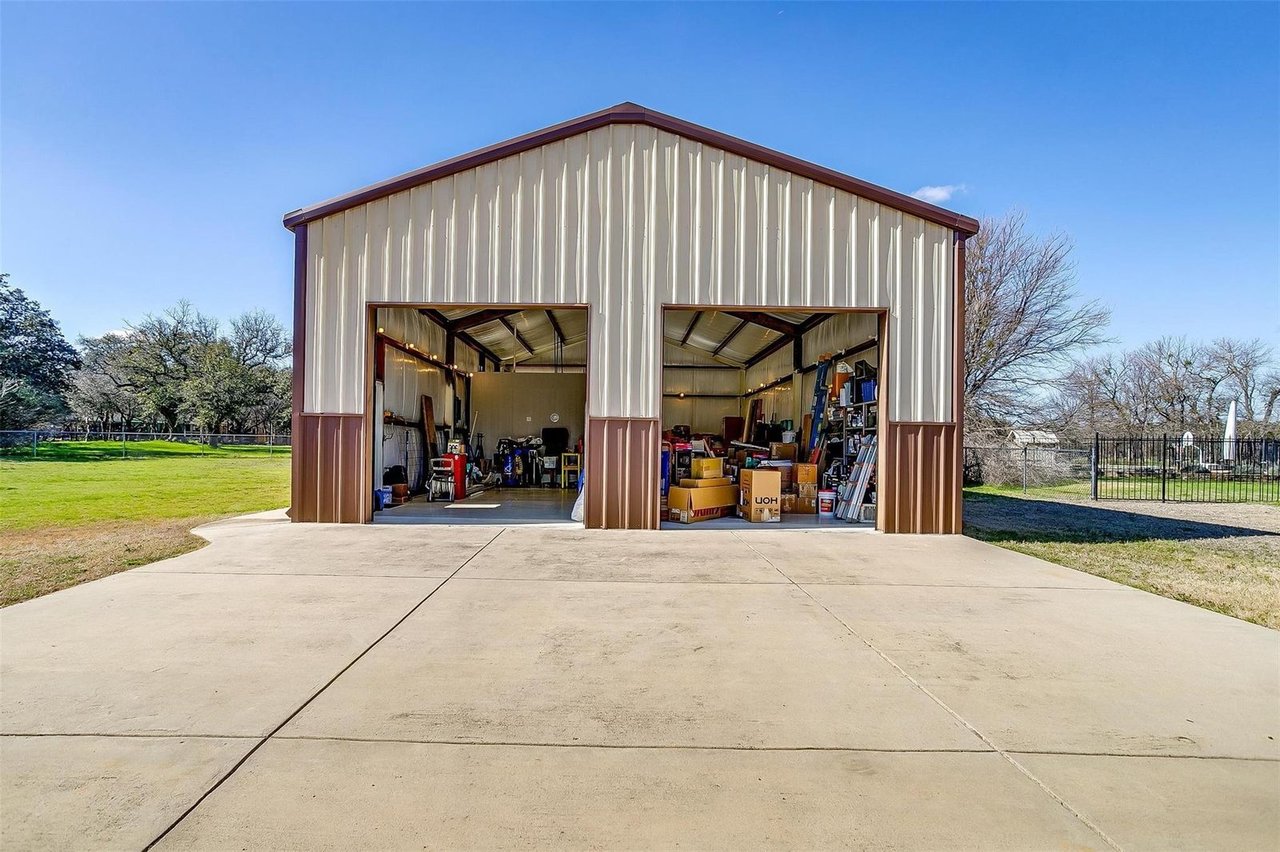
A shop with electricity adds about 6% of the sale price. The same building without power adds 2.6% — the same as a storage shed.
Home Improvement
2,002 accessory units measured. Having one adds about 7% — and how big it is adds nothing, so build the smallest one that does the job.
Seller Resources
Your old days on market follow you until you've been gone 30 days — then they vanish completely. 16,465 relisted DFW houses measured.

Home Improvement
About 9% of your price almost regardless of neighborhood — half to all of what one costs to build. And they sell eight days faster.
Buyer Resources
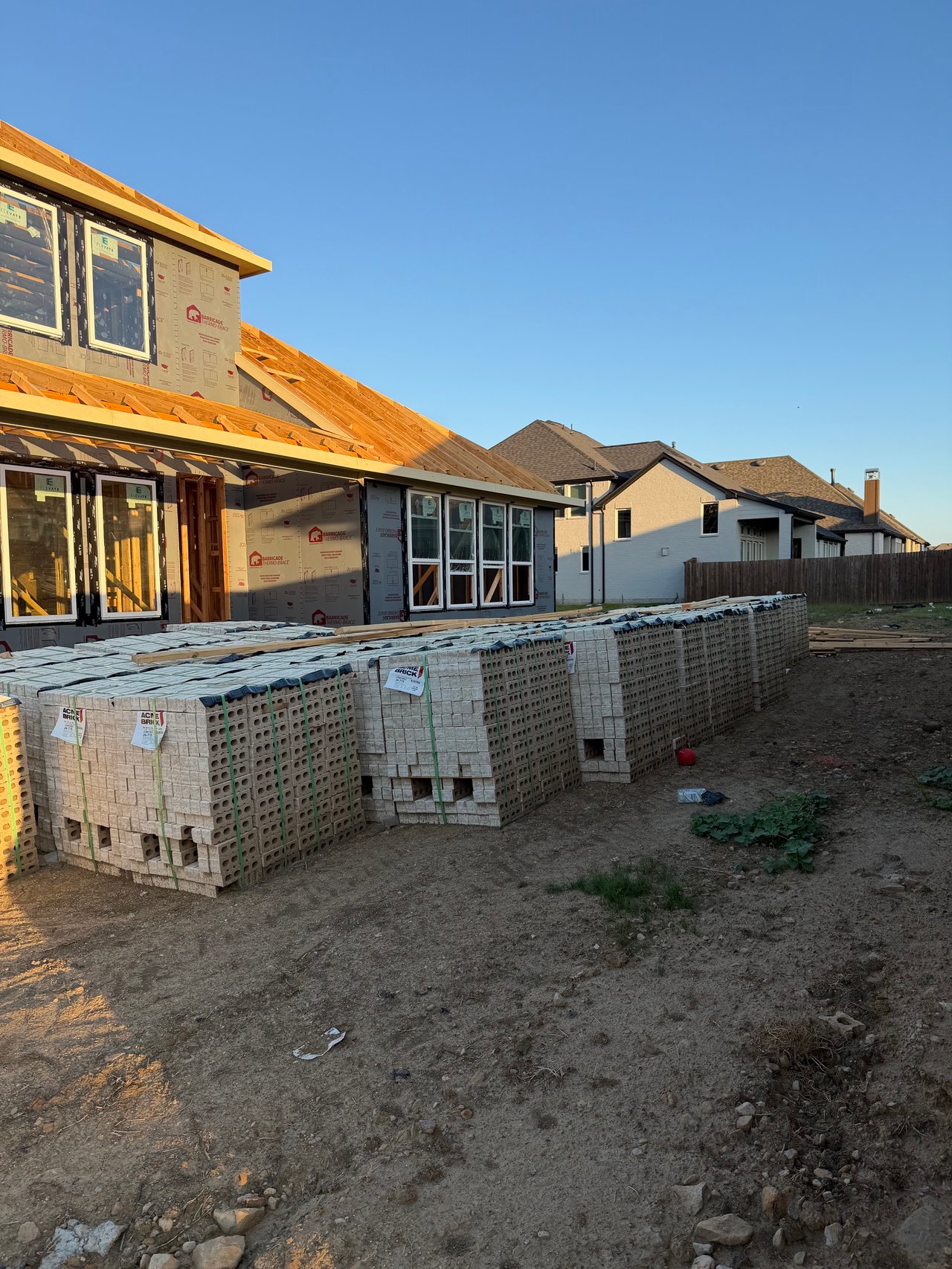
On a new build the listed tax is the vacant lot's bill, and it roughly quadruples in year two — about $526 a month on a $450,000 house.
Buyer Resources
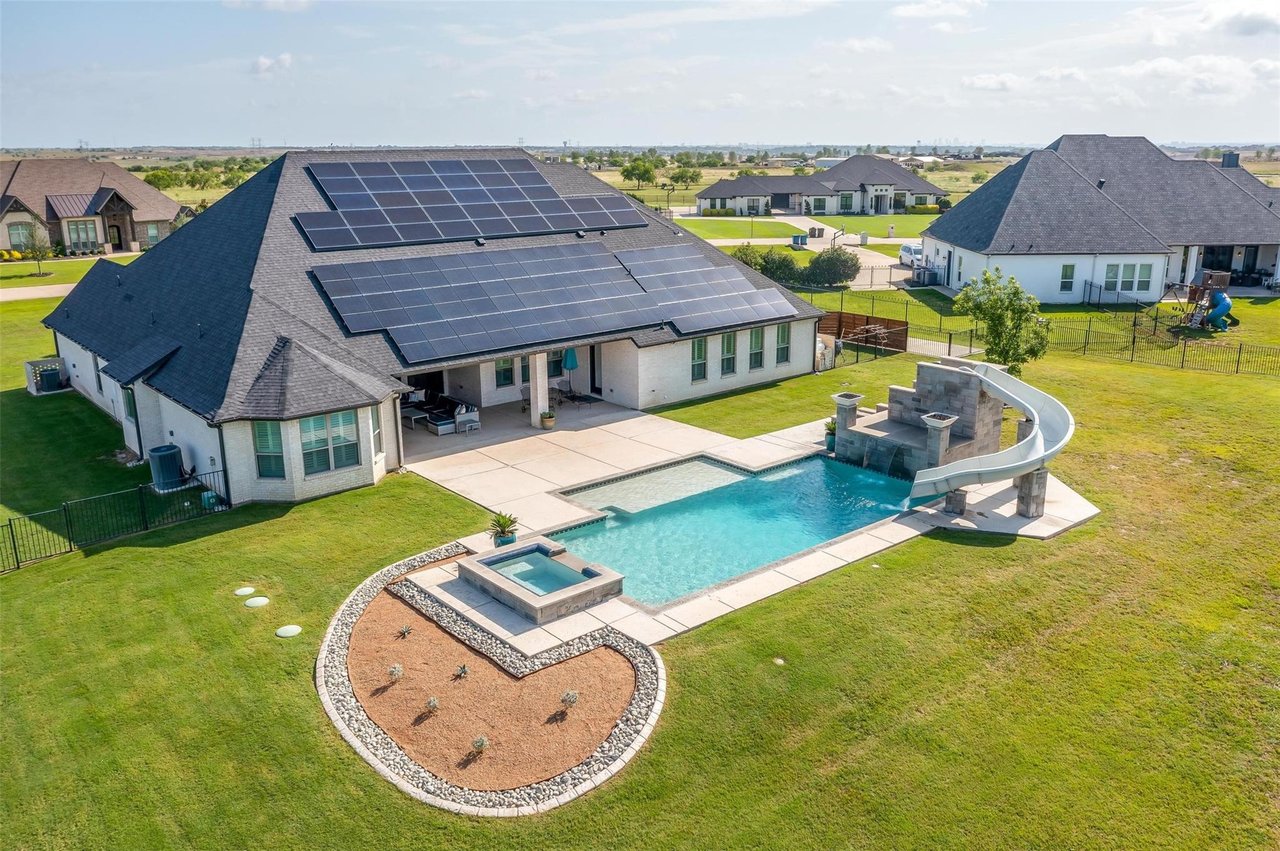
Owned panels add about 3%. Leased panels add nothing — and a listing that doesn't say which gets priced like a lease.

Seller Resources
Your twenty acres are not worth ten times your neighbor's two. Per-acre price falls about a quarter every time a tract doubles.
Owner Resources
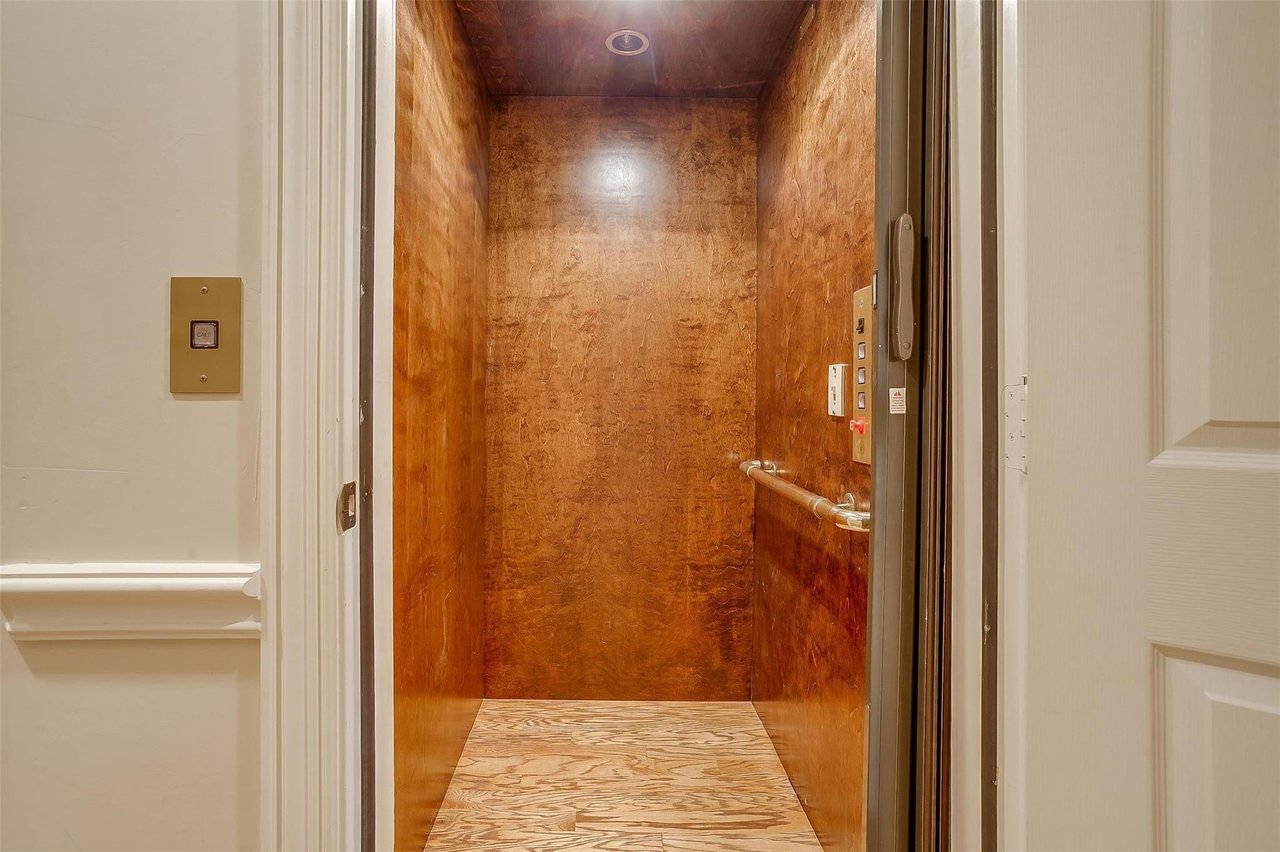
I listed one in North Richland Hills that sold in nine days at 99% of asking. The elevator wasn't why — and 121 sales out of 89,302 show why not.
I've trained three appraisers in this market, and every figure on this blog comes from closed sales I pull and model myself. The same analysis, applied to one address.