What to Fix Before You List, and in What Order
Owner Resources

Owner Resources
Every seller asks some version of the same question. Should I fix it first, or sell it as it is?
The answers available to you are mostly opinions. Kitchens and baths return the most. Paint is the cheapest dollar you'll ever spend. Never over-improve for the neighborhood. These get repeated because they sound right, not because anyone in Fort Worth has checked them.
So I checked. Below is what 33,000 closed Fort Worth sales say about which improvements show up in a sale price — and, more usefully, why the obvious way of reading that answer is wrong in a way that could cost you real money.
Every MLS listing carries a written description. Most sellers never think about it again, but collectively those remarks are a record of what Fort Worth agents thought was worth mentioning about 33,000 houses.
I searched them for the improvements sellers actually consider — renovations, roofs, HVAC, counters, flooring, paint, staging — then tested each one against the closing price, controlling for house size, lot size, build year, date of sale and ZIP code. So a house in Wedgwood is compared against Wedgwood, and a 1955 ranch against other 1955 ranches.
Here is the result, across 32,655 sales with complete data.
Mentioned in the listing | Share of listings | Associated with |
Pool | 9.1% | +8.6% |
Quartz counters | 12.5% | +7.5% |
Stainless appliances | 24.8% | +4.0% |
Granite counters | 26.6% | +3.7% |
Open floor plan | 24.3% | +3.4% |
New windows | 1.9% | +3.1% |
Renovated or remodeled | 12.3% | +2.9% |
Luxury vinyl plank | 8.2% | +2.5% |
New HVAC | 3.9% | +1.3% |
“Updated” | 25.7% | +0.8% |
New roof | 7.1% | −0.7% (not significant) |
New paint | 8.4% | −1.0% |
Foundation repair or warranty | 0.8% | −1.3% (not significant) |
Professionally staged | 1.1% | −4.8% |
Now. If you read that table as a shopping list — install quartz, get 7.5%; skip the staging, save 4.8% — you will make an expensive mistake, and I would rather explain why than let you make it.
Every number above is a correlation. It tells you what kind of house tends to carry that word in its listing. It does not tell you what happens if you go and do the thing.
Take quartz. Listings mentioning quartz have a median build year of 2022. The overall median is 2006. Quartz is not mostly a renovation in Fort Worth — it is mostly a marker of new construction, and new construction sells for more for about fifteen reasons that have nothing to do with the countertop. Installing quartz in a 1962 kitchen does not import any of that.
Granite is the same story running the other direction. It appears in more than a quarter of all listings. A feature that common is not a differentiator; it is table stakes. The +3.7% is largely telling you that houses with granite are houses that have been updated at some point, which you already knew.
And then there is the bottom of the table, which is where this gets genuinely useful.
That −4.8% is the largest number on the list and the most badly misleading. Here is what staged listings actually look like next to everything else:
All sales | Listings mentioning staging | |
Median days on market | 32 | 56 |
Cut from original list price | 2.95% | 4.07% |
Share closing with seller concessions | 58.7% | 80.3% |
Median build year | 2006 | 2005 |
Median size | 1,918 sq ft | 1,884 sq ft |
Same age. Same size. But 75% longer on the market, deeper price cuts, and seller concessions on four sales in five instead of three in five.
These are not different houses in age or size. They are houses that were harder to sell, and the remarks say why.
All listings | Staged listings | |
Mention an open floor plan | 24.3% | 10.6% |
Median close | $339,990 | $305,000 |
Median price per foot | $178 | $165 |
Staged homes are less than half as likely to have an open floor plan. That is the clearest thing in the whole analysis, and it explains the rest of it.
A compartmentalized layout — small defined rooms, doorways instead of sightlines — is hard to photograph and harder to read when it's empty. A buyer walks into a bare room and cannot tell what it is for. Staging is what you do about that. It is the fix for a floor plan that doesn't explain itself, and floor plans that don't explain themselves were always going to take longer and settle for less.
So the causation runs backwards from how the table reads. These houses were older in layout, cheaper per foot, and harder to interpret before anyone brought furniture in. Staging is the response to those three facts, not the cause of them.
And one theory I tested that turned out to be wrong, since I had assumed it: staged listings are not flips. They come back as a quick resale within eighteen months only 3.4% of the time against 7.4% for listings generally, and they mention renovation, investors and vinyl plank flooring less often than average. Whatever is going on with staged homes in Fort Worth, investor activity isn't it.
The same reverse logic applies to the two other negatives. A seller advertises a new roof when the roof was the issue. A listing mentions a transferable foundation warranty because the foundation was repaired, and buyers price that honestly no matter how good the repair was. Those aren't improvements that backfired. They're disclosures.
Everything in that table measures something a seller put in. It cannot see the far more expensive situation, which is a house that's missing something buyers assume is there.
There's an order to this, and it matters more than the list does.
First: can the house be financed at all? Roof, foundation, HVAC. Nobody pays a premium for these — that's exactly what the data shows, with new roof measuring at zero — because a working roof is the assumed condition of a house, not a feature of one. But a roof at the end of its life, a foundation impaired badly enough, or an HVAC system that doesn't run can make a property non-mortgageable. At that point you are not negotiating with the buyer pool; you have left it. You're selling to cash, and cash expects to be paid for the privilege. That is where the largest discounts in real estate come from, and none of it appears in a table of upgrades.
Second: will it pass an appraisal? Peeling exterior paint, rotted wood, brick deflection, and similar deferred maintenance. FHA and VA appraisers call these out, and a called-out condition becomes a repair demand before closing whether you planned for it or not. Curing them doesn't make a house worth more than it should be — it gets the house back to where it belongs and keeps the widest possible set of buyers eligible for it. On an older house this is usually the highest-return money available, and it is almost never the fun money.
Third: the presentation layer. Landscaping, interior paint, flooring, fixtures, hardware. Real returns, modest scopes, short timelines, hard to get badly wrong. This is where most sellers should stop.
Fourth, and only with a plan: kitchens and baths. These are where the returns can be genuine and where the losses get large. The scopes are big, the timelines run long, and execution quality decides the outcome completely. This is the one tier I'd ask you not to start without talking it through first.
I had a seller who built luxury homes in Florida for a living. He asked me one question: should I update it?
I told him yes — interior paint and replace the carpet, plus the deferred maintenance. The carpet was in bad shape and so was the paint. Straightforward tier-three work, the kind that reliably comes back.
He did all of that. Then, without mentioning it, he also redid the kitchen.
I didn't push, because he built houses for a living and I assumed he knew what he was doing. What he produced was a flipper kitchen — everything white — dropped into a house whose remaining finishes were traditional. It clashed. I don't think that alone is why the house didn't sell. But it was part of it, and the bigger problem was downstream: having spent the money, he wanted to list high enough to recover it, and the market declined to agree.
Two different things went wrong there and both were avoidable. Executed properly, that kitchen might well have returned its cost. And if he'd told me the plan beforehand, I'd have said don't do it at all — then priced the house at a number that didn't need to carry a renovation nobody asked for.
He was a professional builder. He still lost money on the part he did without asking, and made money on the parts he asked about first. That's the whole argument for having the conversation, and it's why the fourth tier gets a warning label.
Three things, and I'd hold them loosely.
Maintenance is not an upgrade. New roof came back at −0.7% and not statistically significant. New HVAC managed +1.3%, barely. Buyers treat these as the baseline condition of a house. You may well need to do them to sell at all — see above — but do not expect the spend back as a premium on top.
The vaguer the claim, the less it's worth. “Updated” appears in a quarter of all listings and is associated with +0.8%. “Renovated or remodeled” — a stronger claim — gets +2.9%. Specific claims like new windows do better than general ones. Buyers discount adjectives and price evidence.
And the big-ticket item is genuinely big. A pool is associated with +8.6%, the largest effect here. But on a $300,000 house that is about $26,000, and a pool costs considerably more than that to install. This is the clearest case on the whole list of something that adds value and still loses money.
It can't tell you about your house.
A citywide average is built from thirty-three thousand houses, and the spread underneath it is enormous. In Ridglea, price per square foot tracks lot size rather than house size, which means money spent on the structure behaves differently there than almost anywhere else in the city. In Wedgwood, a fifty-year-old house is competing against brand-new construction a few miles south that costs about thirteen thousand dollars more — which changes the entire calculation about what's worth fixing.
Two identical renovations, two neighborhoods, two different answers. That is not a failure of the data. It is what the data is for.
I'm a Compass agent, and Compass Concierge covers the cost of pre-listing improvements up front, repaid out of the proceeds when the house closes. It solves a real problem: most sellers have equity rather than cash, and the work has to happen before the money arrives.
What it doesn't do — what no program does — is tell you whether a given scope of work comes back to you. That is a valuation question, and the fact that the money is available makes answering it more important rather than less. Money you don't have to find up front is still money you pay back at closing.
In a city where sixteen of thirty-one measurable ZIP codes are losing value, the difference between an improvement the comparable sales support and one they don't is not academic.
I hold a Texas broker's license and a Certified Residential Appraiser certification. Before you commit to a scope of work, what I can tell you is what the closed sales on houses like yours — your size, your vintage, your subdivision — actually support, how wide the range around that is, and which line items the evidence doesn't justify.
That conversation happens before the invoice rather than after it, and it costs you nothing.
Call or text (682) 207-4310, or send me a note.
Figures are from NTREIS closed sales inside Fort Worth city limits, 19 September 2023 through 18 September 2026, reported in aggregate. Effects are coefficients from log-price models controlling for house size, lot size, build year, sale date and ZIP code; “not significant” means p > 0.05. Listing-remark analysis identifies what an agent chose to write, which is not the same as what is physically present in a house. Nothing here is an appraisal or a valuation of any particular property.
 Mira Vista
 Rivercrest, Monticello & North Hi Mount
Rivercrest Bluffs & River District
Rivercrest, Monticello & North Hi Mount
Rivercrest Bluffs & River District
 Westover Hills
 Ridgmar
 Ridglea North
 Ridglea
 Fairmount
 Ryan Place
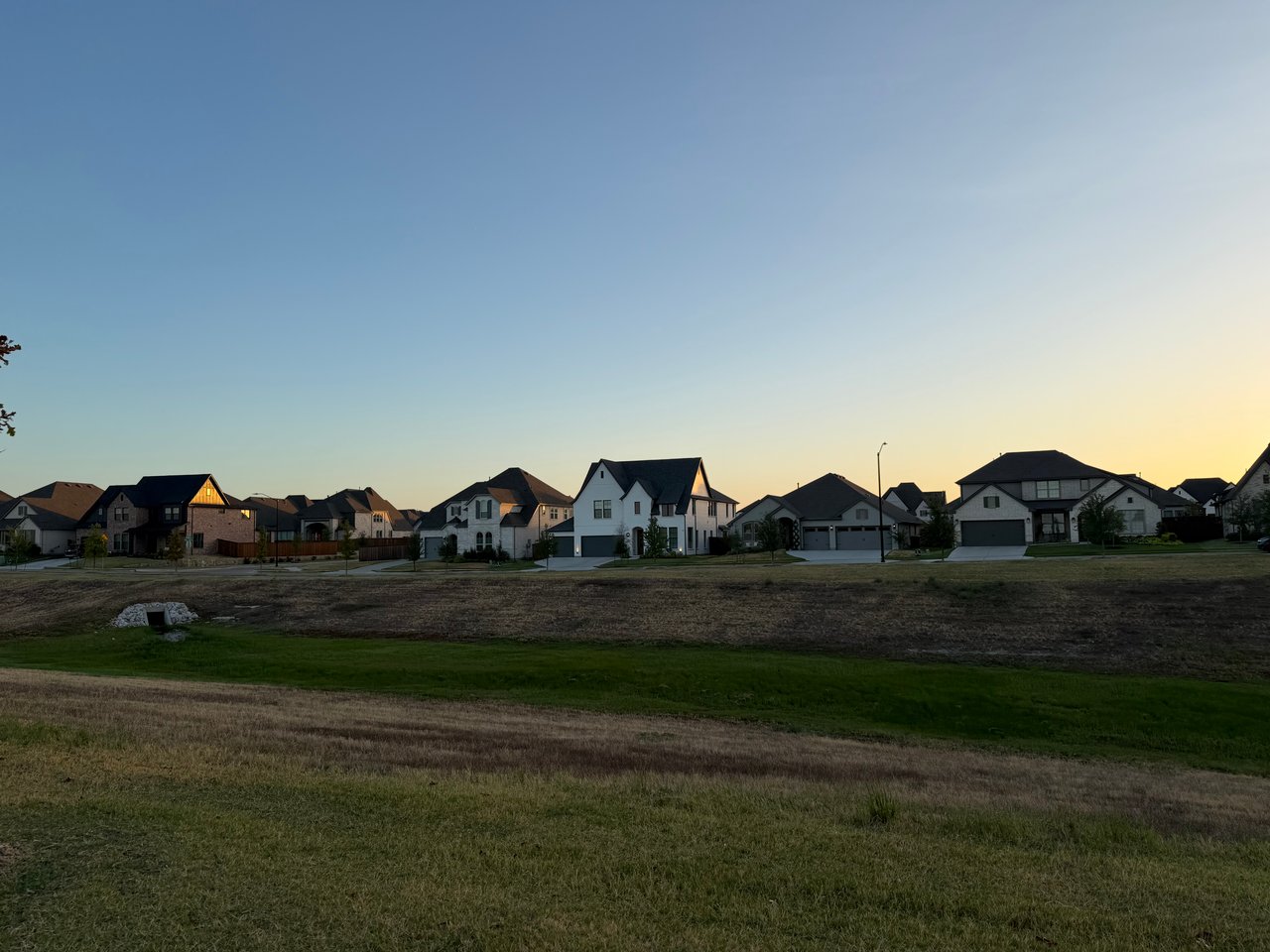 Tavolo Park
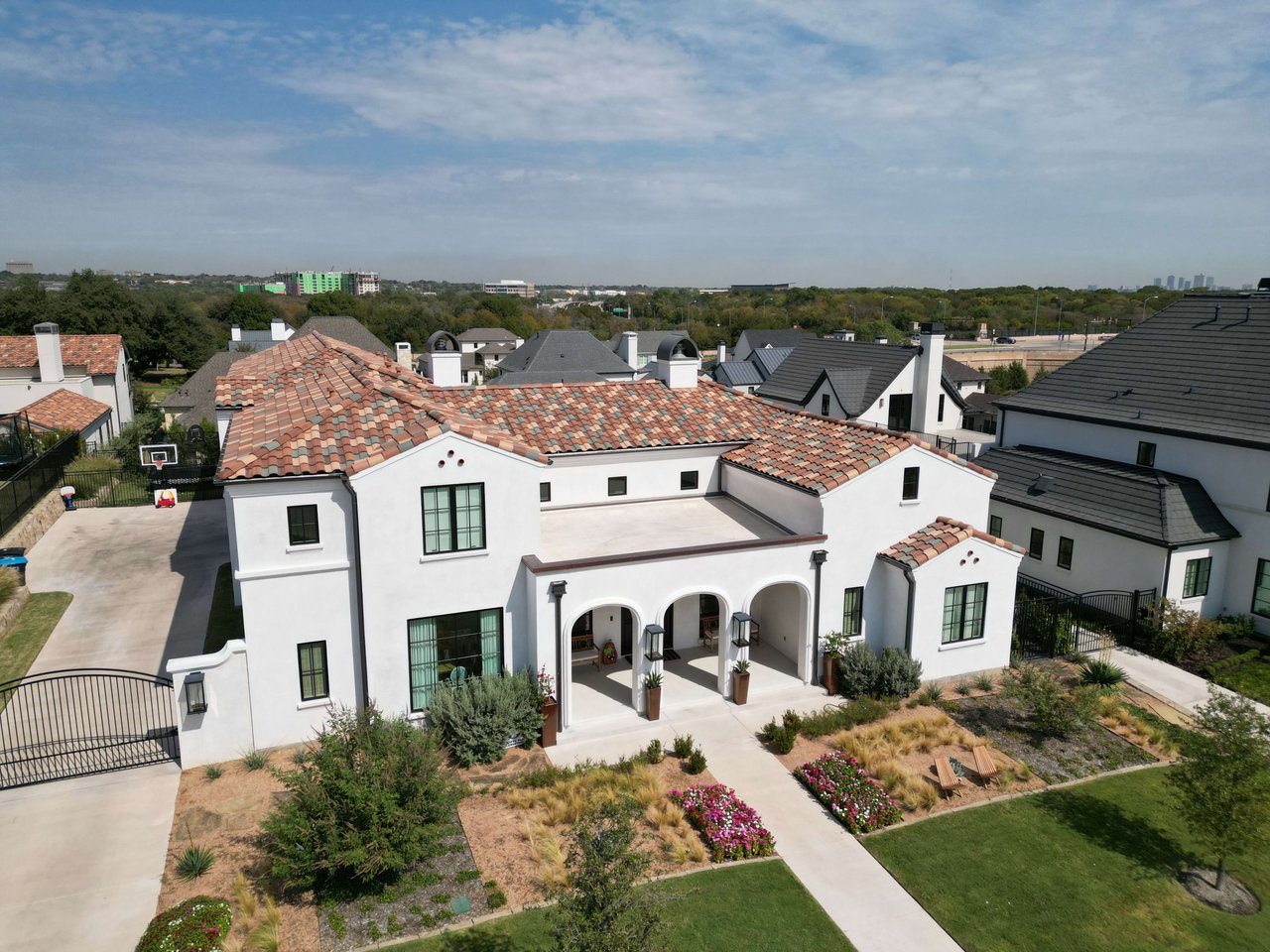 Edwards Ranch Riverhills
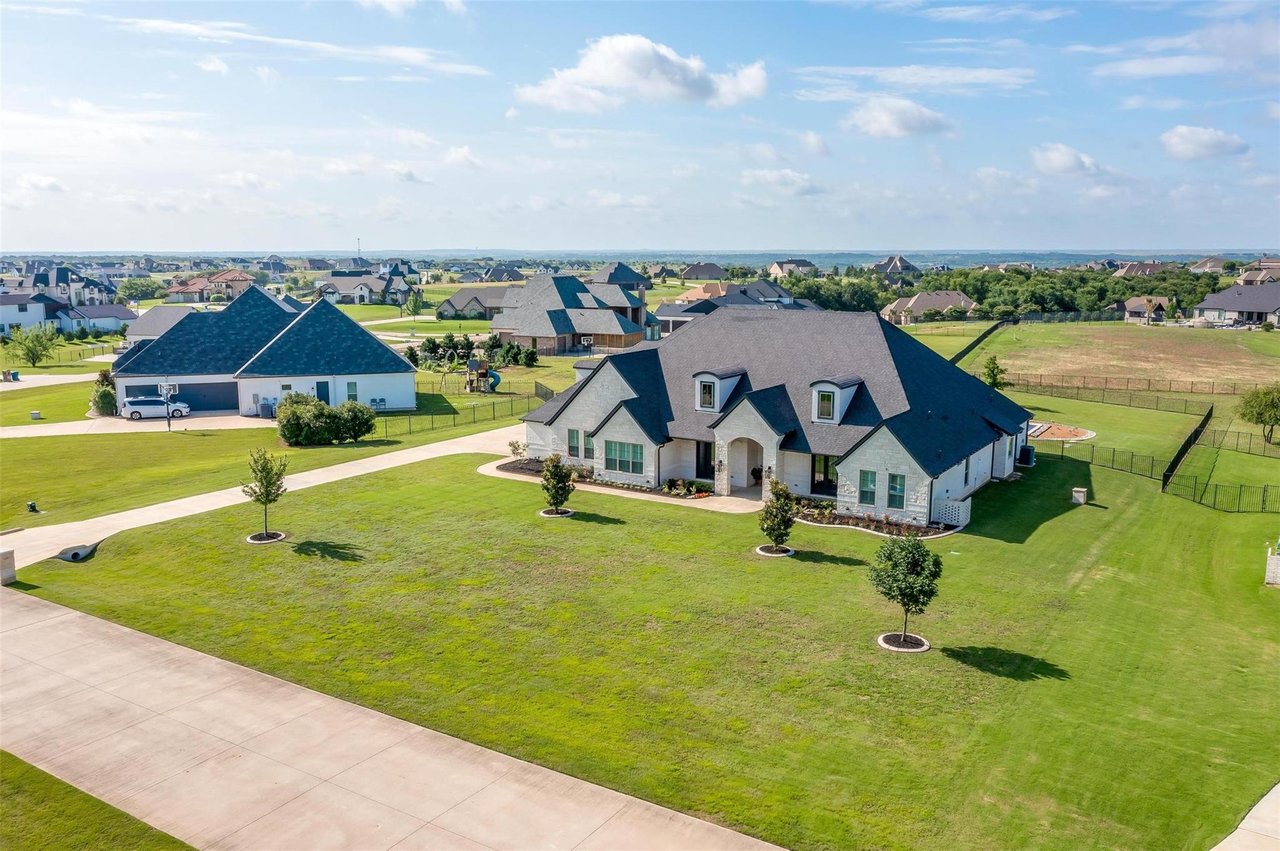 Bella Flora
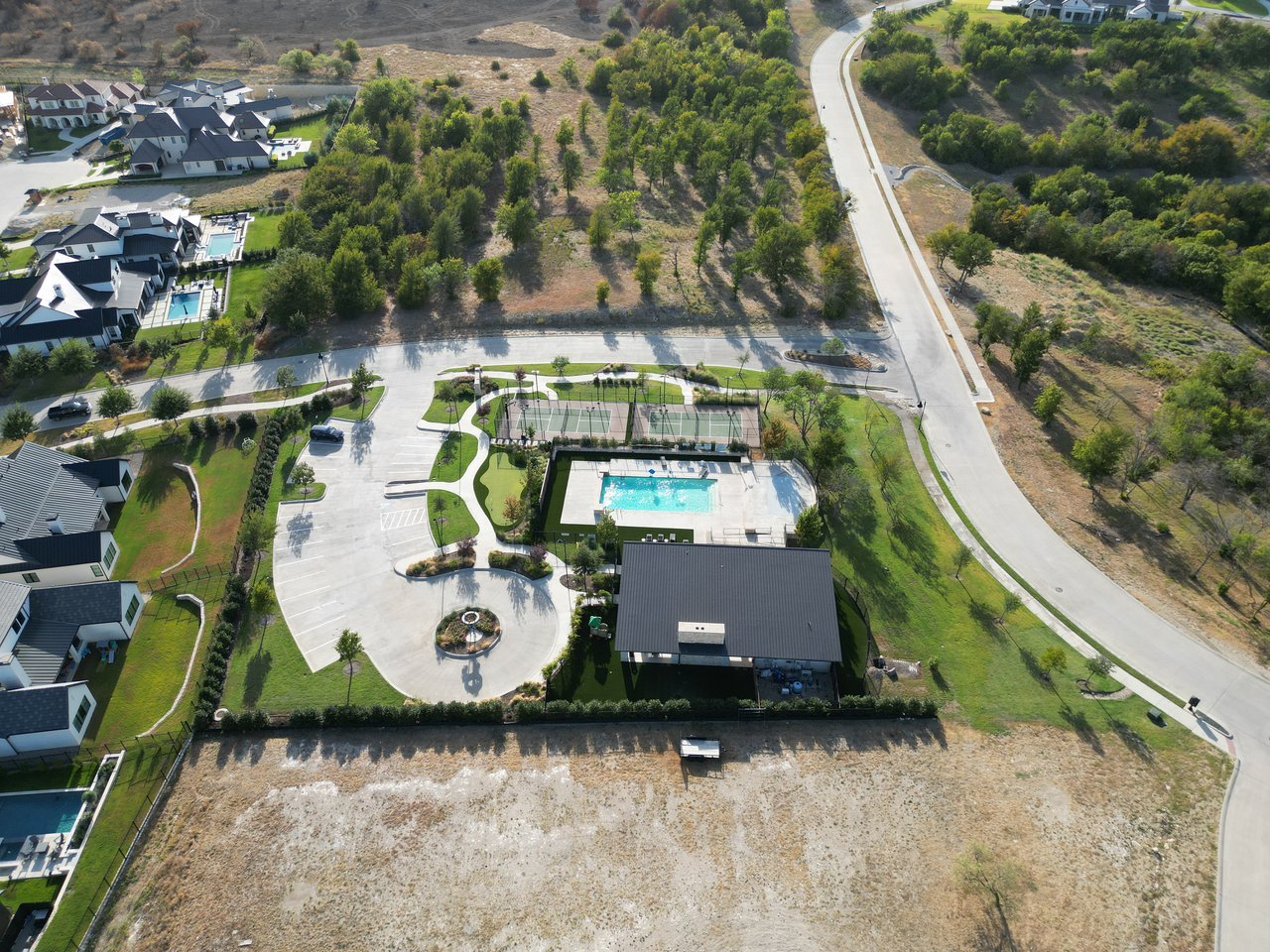 Montserrat / Montrachet
 Walsh Ranch
 Crestwood
 Tanglewood
Stay up to date on the latest real estate trends.
Owner Resources
What 33,000 Fort Worth Sales Say About Fixing Up Before You List

Owner Resources
Nothing on this list is automatic. One of these took effect nine months ago and almost nobody has filed.
New Construction
Your escrow is about to jump, your warranty is shorter than you think, and the yard has something to tell you.
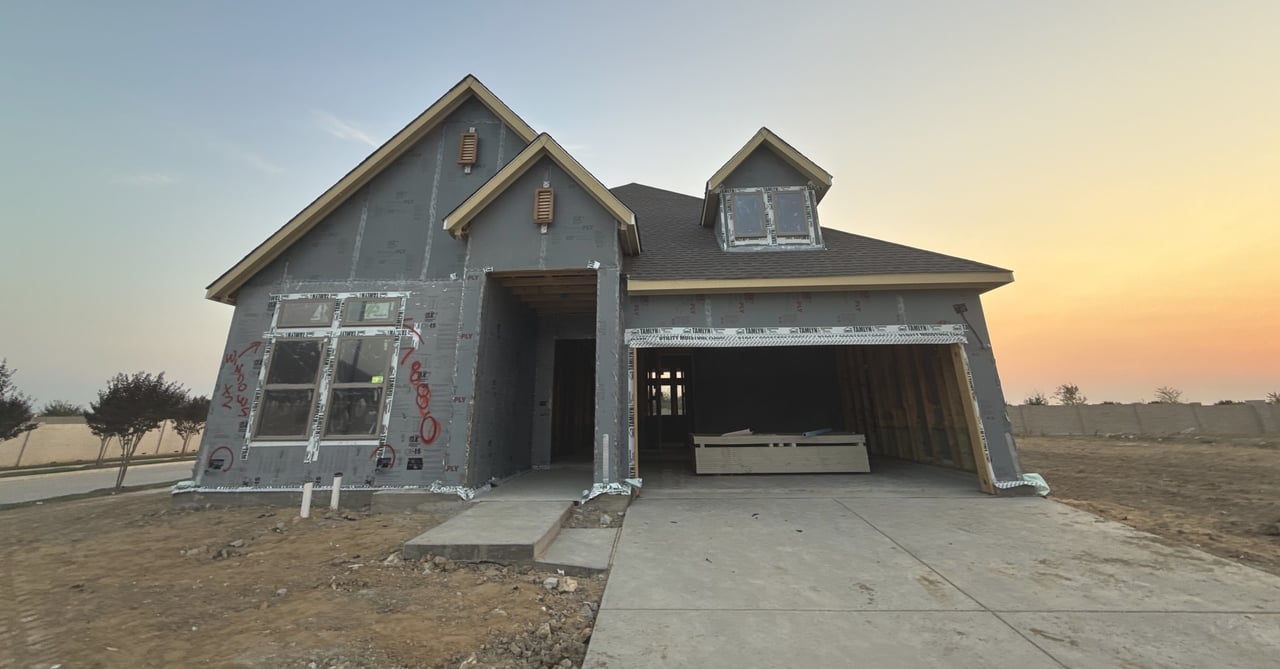
New Construction
The new-home incentives are real. So are the twelve paragraphs nobody reads.
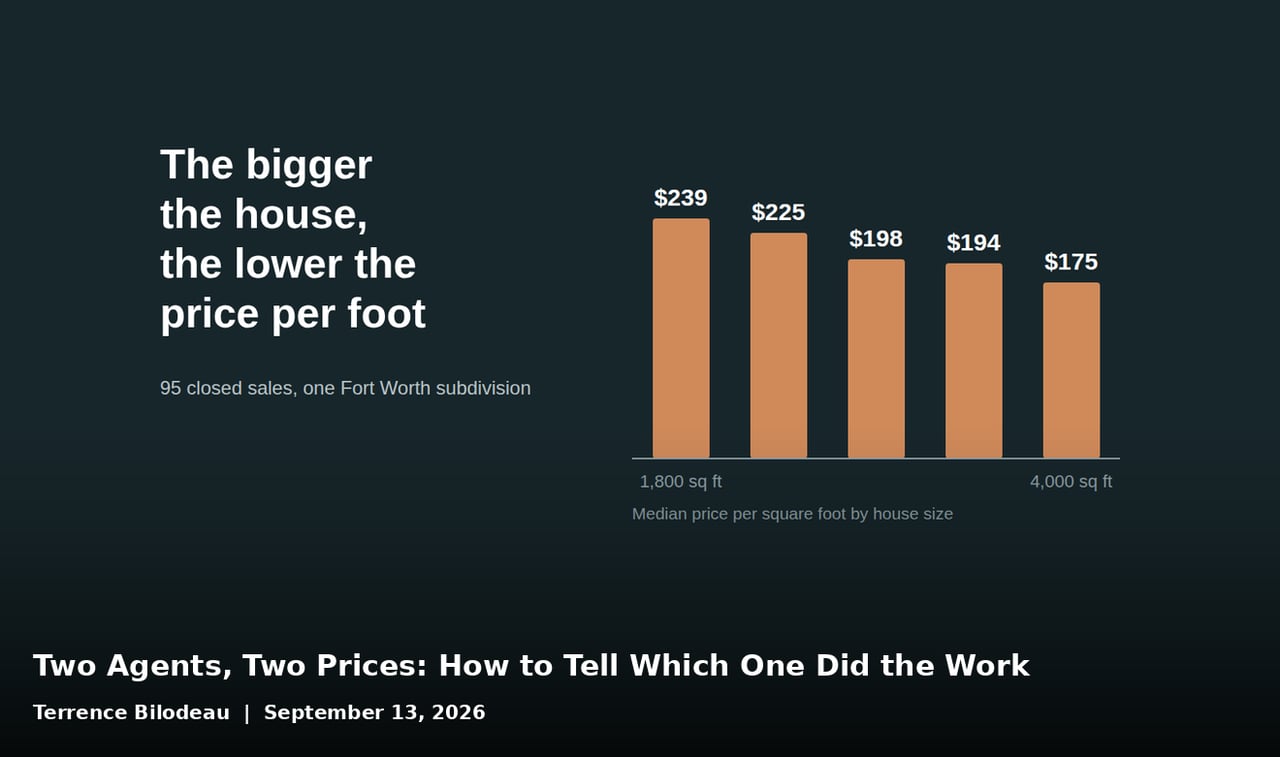
Seller Resources
Why price per square foot misleads in a predictable direction, what a careful pricing analysis actually includes, and the four questions that separate them.
Growth
An appraiser's read on what the growth actually is, what the 2025 property tax changes really did, and what to check before you buy here.

Buyer Resources
The documents that tell you where the HOA dues are headed — and the window you have to read them.
I've trained three other appraisers in my market and also own and manage rental property in Tarrant and Dallas counties which keeps me in the know on home ownership costs, contributory value for improvements, and deriving values using the income approach for investment purposes.